The Complete Guide to Metal Furring Sizes for Ceiling Installation
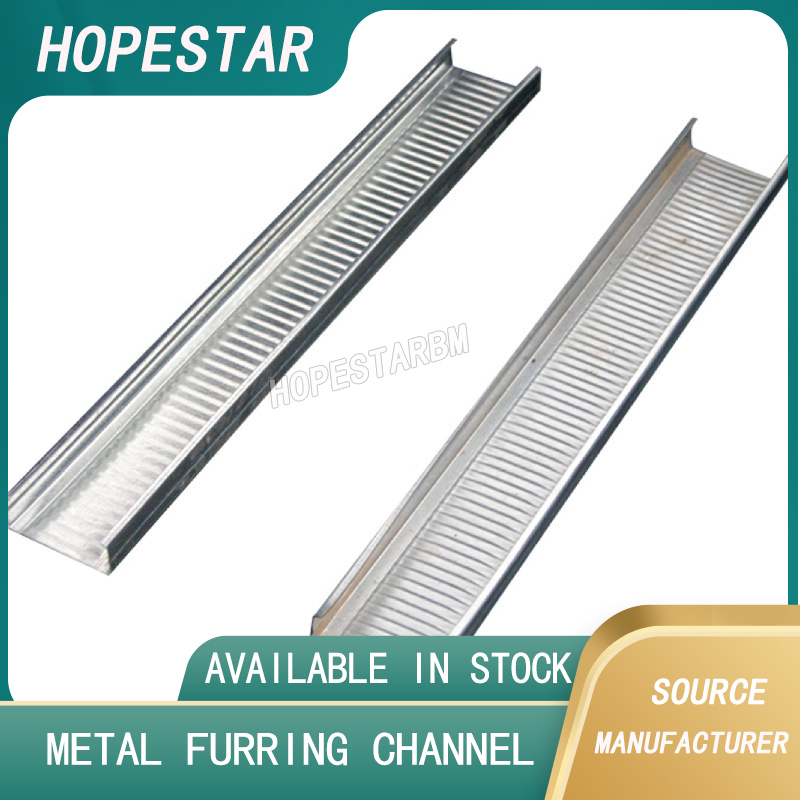
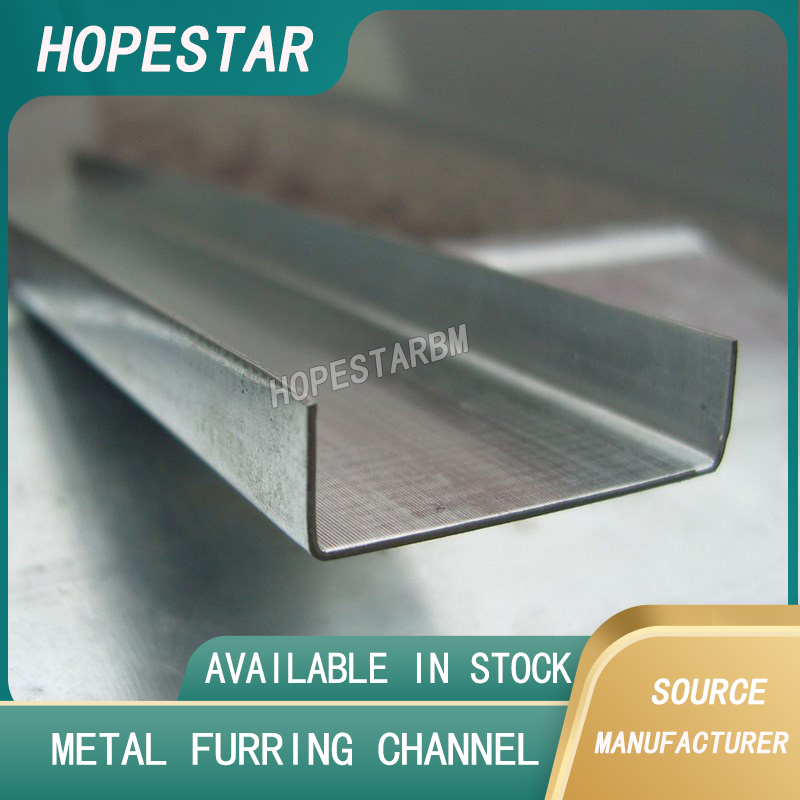
Metal furring channels (also called hat channels) are essential components in modern ceiling construction. These galvanized steel or aluminum profiles create a level surface for attaching drywall or other ceiling materials while providing space for insulation, wiring, and HVAC components.
Standard Metal Furring Sizes
-
-
25 gauge (0.0187" / 0.475mm) - Light duty residential
-
20 gauge (0.0359" / 0.912mm) - Commercial standard
-
18 gauge (0.0478" / 1.214mm) - Heavy-duty applications
-
-
Common Widths:
-
7/8" (22mm) - Most common for residential ceilings
-
1-1/2" (38mm) - Used when deeper insulation is needed
-
2" (51mm) - Commercial spaces requiring extensive utilities
-
-
Length Variations:
-
8' (2.44m) - Standard length for easy handling
-
10' (3.05m) - Reduces joints in larger rooms
-
12' (3.66m) - Minimizes seams in commercial projects
-
Choosing the Right Size for Your Project
Residential Applications
For standard 8-9' ceilings in homes:
-
Recommended: 25 gauge, 7/8" width
-
Spacing: 16" or 24" on center
-
Fasteners: #6 or #8 screws every 12"
Commercial/Industrial Uses
For high-traffic or large spaces:
-
Recommended: 20 gauge minimum, 1-1/2" width
-
Spacing: 12" or 16" on center for heavy materials
-
Fasteners: #10 screws with washers
Installation Best Practices
-
Spacing Guidelines:
-
Maintain consistent spacing (typically 16"-24")
-
Closer spacing for heavier ceiling materials
-
Account for HVAC ducts and electrical conduits
-
-
Hanging Methods:
-
Direct attachment to concrete with powder-actuated fasteners
-
Suspended from structural members with wire hangers
-
Resilient channels for soundproofing
-
-
Material Considerations:
-
Galvanized steel for moisture resistance
-
Aluminum for lightweight applications
-
Fire-rated channels when required by code
-
Common Mistakes to Avoid
-
Using undersized furring for heavy ceiling materials
-
Improper spacing leading to sagging
-
Inadequate fastener selection
-
Ignoring local building codes
-
Failing to account for thermal expansion
FAQs About Metal Furring Sizes
Q: Can I use 25 gauge furring for a basement ceiling?A: Only in dry conditions - consider 20 gauge if moisture may be present.
Q: How much weight can standard furring support?A: 7/8" channels typically support 5-7 lbs/sq.ft depending on spacing.
Q: What's the advantage of wider furring channels?A: Allows for thicker insulation and easier utility routing.
Conclusion
Selecting the proper metal furring size ensures your ceiling installation meets structural requirements while optimizing material costs. Always consult local building codes and consider the specific demands of your project when choosing between 25 gauge, 20 gauge, or 18 gauge options. Proper installation of appropriately sized furring channels creates the foundation for durable, high-quality ceiling systems that stand the test of time.
Galvanized Metal Corner Bead for Drywall Ceilings
Galvanized steel studs and tracks
Related Article