
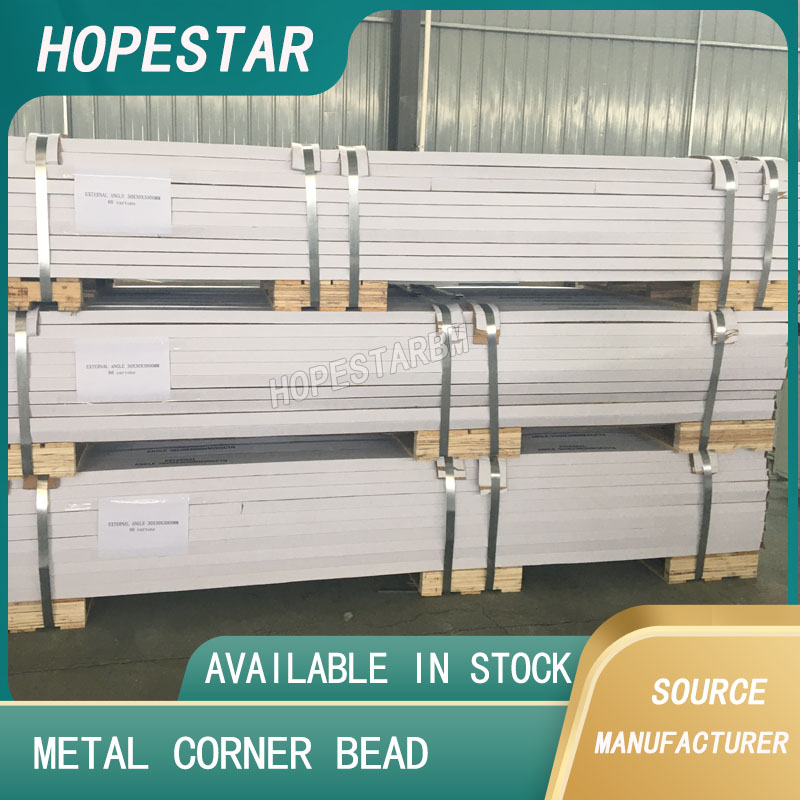
Metal Corner Bead: Functions, Types, Installation and Professional Benefits
2026-10-09
A metal corner bead is a rigid, L-shaped architectural finishing profile specially engineered for drywall, plaster, and stucco exterior corner protection. As an indispensable drywall accessory for interior and exterior construction, it is typically fabricated from hot-dip galvanized steel or lightweight aluminum, featuring perforated flanges and a rigid straight nose. Unlike flexible plastic corner trims, metal corner beads serve as permanent structural reinforcements for 90-degree wall corners, stairwell edges, doorway junctions, and ceiling-wall intersections. They lock drywall panels into perfect alignment, deliver crisp, straight corner lines, and shield vulnerable wall edges from daily impact, abrasion, and chipping damage throughout the building’s service life.
Widely recognized as the industry standard for professional drywall finishing, metal corner beads solve the most common pain points of traditional hand-finished corners, including uneven edges, easy cracking, and poor verticality. The perforated design on both side flanges allows joint compound and plaster to penetrate and bond tightly with the drywall surface, achieving seamless integration without hollow layers or peeling risks. Suitable for residential, commercial, and institutional buildings, this metal trim has become a core material for standardized, high-quality wall finishing projects worldwide.
Key Types of Metal Corner Bead
Metal corner beads are classified by raw material and profile shape, with two mainstream types dominating modern construction scenarios, each with targeted application advantages:
-
Galvanized Steel Corner Bead: This is the most widely used type of metal corner bead. Made of high-strength galvanized steel with anti-rust coating treatment, it features ultra-high rigidity and impact resistance. It maintains precise 90-degree vertical angles for a long time, not easy to deform or dent under external force. Ideal for high-traffic areas such as corridors, staircases, garage walls, and public building interiors that require strong corner durability.
-
Aluminum Corner Bead: Lightweight and oxidation-resistant, aluminum corner beads feature excellent ductility and stable color retention. They will not rust or produce rust stains that penetrate paint surfaces, making them perfect for humid environments including bathrooms, kitchens, and basement renovations. With a smoother surface finish, they are favored for high-end decoration projects requiring delicate wall textures.
-
Special-Shaped Metal Corner Bead: Beyond standard 90-degree right-angle beads, customized curved bullnose metal beads and obtuse-angle metal beads are available for special architectural designs, solving corner finishing problems for arc walls, sloped ceilings, and irregular wall structures.
Core Functions and Unique Advantages
Metal corner beads are irreplaceable in professional drywall finishing, offering structural, aesthetic, and economic benefits that hand-finished corners and plastic beads cannot match:
-
Precise Corner Straightness & Standardized Finishing: The rigid metal body provides a fixed straight reference for drywall corners, completely avoiding uneven, crooked, or wavy edges caused by manual plastering. It ensures uniform verticality and flatness of all wall corners, meeting strict architectural decoration acceptance standards.
-
Powerful Impact and Wear Resistance: Wall corners are the most collision-prone parts of buildings. Metal corner beads form a hard protective layer on the corner surface, effectively resisting impacts from furniture collision, pedestrian contact, and daily friction, preventing edge chipping, peeling, and corner damage.
-
Effective Crack Prevention & Structural Stability: Drywall corners are high-stress areas prone to cracking due to temperature changes and structural slight shaking. The metal frame disperses structural stress, suppresses drywall cracking and plaster layer falling off, and greatly improves the long-term stability of wall corners.
-
Anti-Corrosion & Long Service Life: Galvanized steel and aluminum materials have natural anti-rust and anti-oxidation properties. They adapt to various dry and humid indoor environments, no rotting, aging, or deformation, and can maintain intact corner shapes and finishing effects for decades.
-
Improve Construction Efficiency & Reduce Costs: Metal corner beads simplify the complex process of manual corner trimming and repeated leveling. They reduce plaster and putty usage, lower subsequent sanding and repair work, shorten construction cycles, and effectively save labor and material costs for decoration projects.
-
Seamless Aesthetic Effect: The perforated flange design enables full integration with joint compound. After painting, the corner lines are neat, sharp, and natural without obvious traces, improving the overall grade and uniformity of interior wall decoration.
Typical Application Scenarios
Thanks to their superior durability and finishing effect, metal corner beads are widely used in all drywall and plaster finishing scenarios, especially suitable for high-standard and high-wear spaces:
-
Residential decoration: Living room, bedroom, and aisle wall corners, stair wall edges, balcony wall corners, and whole-house drywall renovation
-
Commercial buildings: Office partitions, shopping mall interior walls, hotel guest room corners, restaurant and retail store decoration
-
Public facilities: School, hospital, library, and government building interior finishing, which requires high wear resistance and neat appearance
-
Special environments: Humid space renovation such as basements and kitchens, long-term high-traffic public corridors, and garage wall protection projects
Professional Installation Tips for Metal Corner Bead
Standard installation is the key to giving full play to the performance of metal corner beads and avoiding common finishing problems:
-
Trim drywall edges to be flat and clean before installation to ensure the metal bead fits closely with the wall base without gaps.
-
Position the metal corner bead vertically and accurately, fix it firmly with drywall screws or a corner crimping tool every 6 to 8 inches to prevent offset and bulging.
-
Fill the perforated flanges completely with joint compound to ensure tight bonding with the drywall, avoiding hollowing and peeling in the later stage.
-
Carry out layered putty smoothing and sanding treatment to make the transition between the bead and the wall surface natural and seamless.
-
Select matching materials according to the environment: use galvanized steel beads for dry high-traffic areas and aluminum beads for long-term humid spaces.
Metal Corner Bead vs Plastic Corner Bead
Many builders and decorators choose metal corner beads over plastic alternatives for professional projects. Plastic corner beads are low in cost but poor in rigidity, prone to bending and deformation during installation and use, unable to resist strong impact, and easy to age and yellow after long-term use. In contrast, metal corner beads have outstanding rigidity and structural stability, excellent impact resistance and anti-aging performance, and can maintain permanent straightness of wall corners. Although the unit cost is slightly higher, they greatly reduce later maintenance and repair costs, making them the cost-effective choice for medium and high-end decoration and engineering projects.
Z Furring Channel: Key Features, Unique Advantages and Professional Uses
Related Article
A Z furring channel is a specialized galvanized steel framing profile defined by its unique Z-shaped cross-section, engineered exclusively for interior wall and ceiling drywall assembly, rigid insulation mounting, and masonry wall retrofitting. Unlike standard hat-shaped drywall furring channels,
Z Furring Channel: Key Features, Unique Advantages and Professional Uses
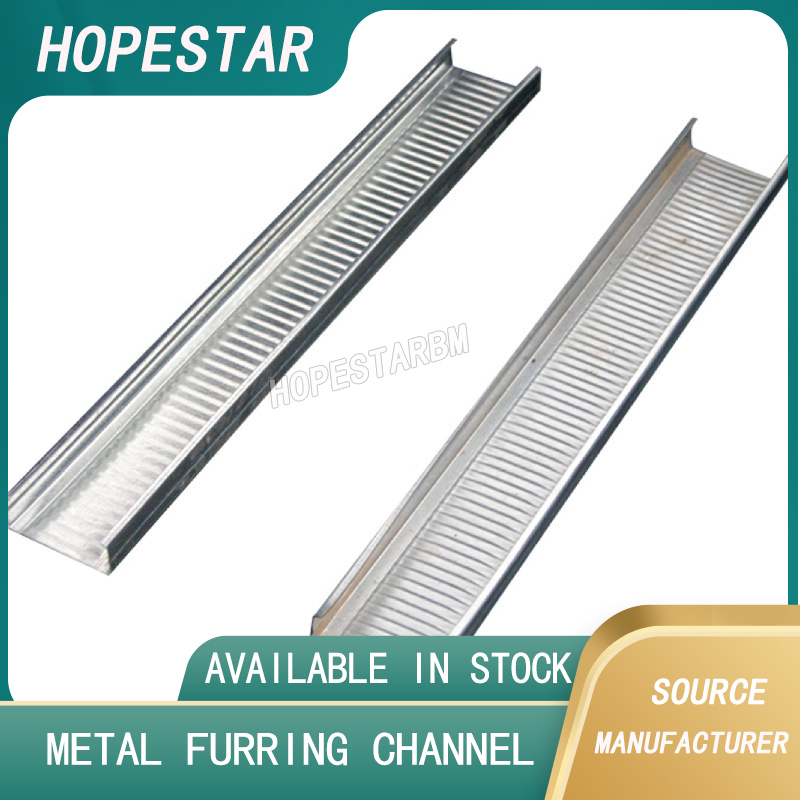
A drywall furring channel is a lightweight, galvanized steel building profile designed specifically for drywall installation in residential, commercial, and industrial construction projects. Also widely known as a hat channel or metal furring strip, this C-shaped or hat-shaped metal framing
Drywall Furring Channel: Benefits, Uses & Installation Guide
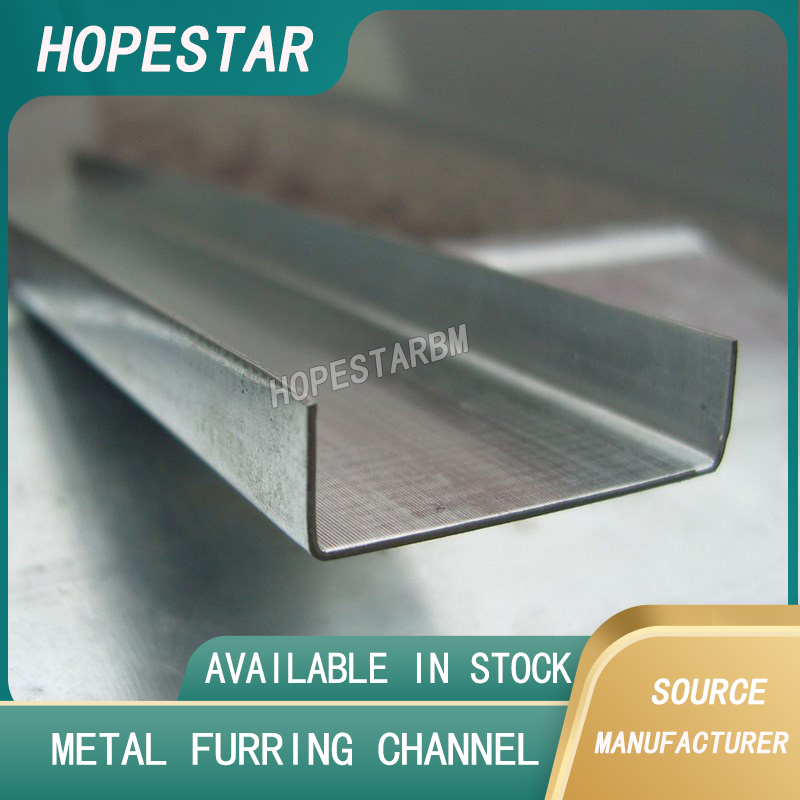
Galvanized studs are cold-formed vertical steel framing members coated with a protective zinc layer, designed to serve as the primary vertical support for drywall partition walls, facade enclosures, and light structural assemblies. Unlike ordinary uncoated steel studs that oxidize rapidly in humid air,
Galvanized Studs: Cold-Formed Studs for Long-Lasting Wall Framing
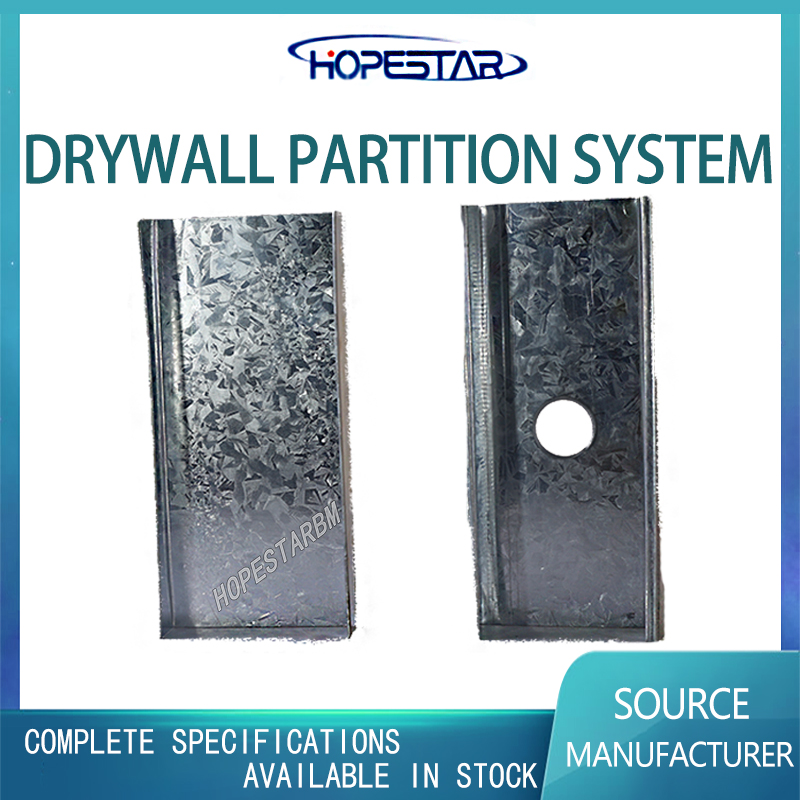
A drywall channel is a dedicated lightweight galvanized steel profile designed exclusively for drywall plasterboard installation, serving as the critical intermediate support layer between building structural substrates and drywall panels. Unlike general structural steel channels that focus on heavy
Drywall Channel: Galvanized Furring & Resilient Channels for Flawless Drywall Finishing & Sound Insulation