Nogging Track: An Essential Component for Light Steel Frame Construction
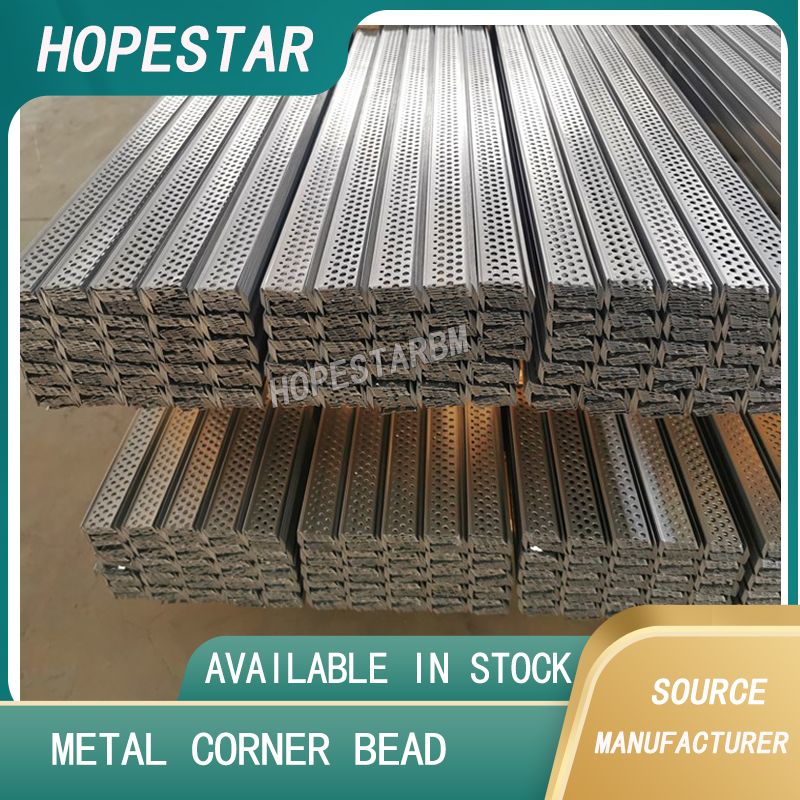
Nogging track, also commonly known as nogging channel or nogging stud track, is a key accessory widely used in light steel framing (LSF), drywall partition and steel house building systems. As a horizontal steel channel, it connects vertical studs to improve the overall rigidity and stability of wall frames, which makes it a fundamental part of Australian and New Zealand style steel frame housing projects. Many builders and prefab manufacturers choose nogging track to resist lateral loads, reduce frame deformation and meet local building code requirements, especially for residential, commercial interior partition and modular construction jobs.
In light steel wall assemblies, vertical studs are installed between top track and bottom track. Without proper horizontal bracing, tall wall frames may twist, bow or shift under wind pressure, seismic force or vibration. This is where nogging track comes into play. It is cut into specified lengths and fixed horizontally across studs at regular intervals. It ties all individual studs together as an integrated frame, distributing stress evenly across the whole wall structure. Apart from structural reinforcement, nogging track also creates reliable anchor points for fixing cabinets, handrails, sanitary fittings and heavy cladding materials onto drywall walls, avoiding the risk of fasteners pulling out from hollow boards.
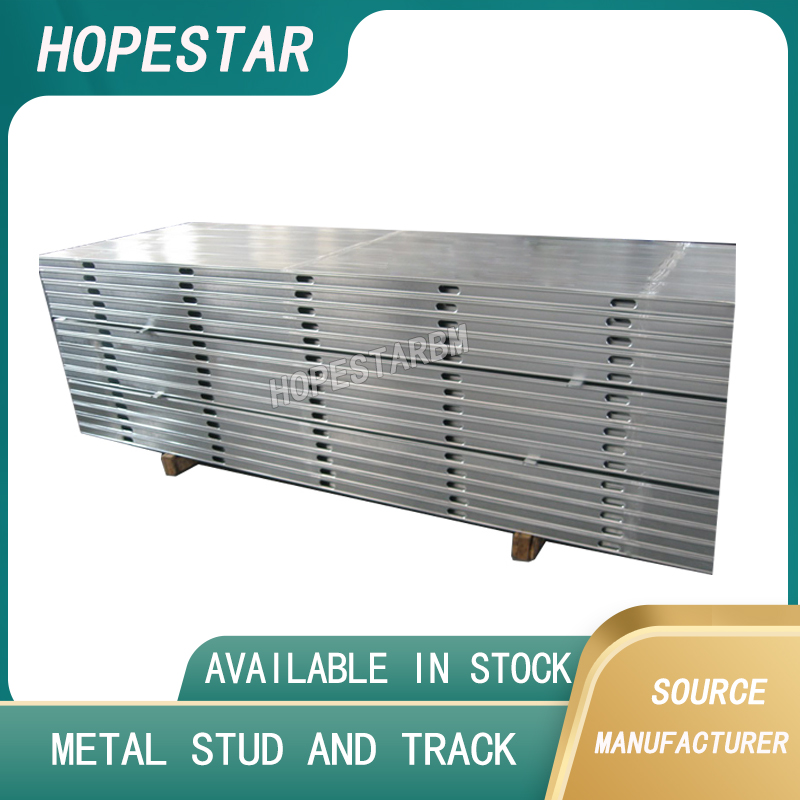
Nogging track is usually roll-formed from hot-dip galvanized steel strip, the same raw material used for standard steel studs and tracks. The zinc coating offers excellent anti-corrosion performance, preventing rust when installed in normal indoor environments. For coastal projects with high salt spray, customers can opt for AZ150 Al-Zn coated substrate for extra corrosion resistance. Common thickness ranges from 0.55mm to 1.15mm, matching the gauge of the main vertical studs. Popular profiles are designed to fit snugly against stud webs, with pre-punched holes available on request to speed up screw fixing on site. The standard width of nogging track follows the stud series, including 64mm, 76mm, 92mm and 140mm, covering most internal partition and external wall applications.
One major advantage of nogging track is its flexible installation layout. According to engineering drawings, installers can arrange single or multiple rows of nogging track at different heights. For short non-load-bearing partition walls, a single middle row of nogging is enough. For load-bearing external walls or walls over 3 meters high, builders need to set multiple nogging layers to enhance stability. It works well together with bracing straps, angle brackets and hold-down connectors. Compared with traditional timber noggins, steel nogging track does not warp, shrink or rot. It will not be attacked by termites, which is a huge plus in humid regions. It also keeps consistent dimensions after long-term use, so drywall surfaces stay flat and crack-free.
Precision manufacturing is critical for nogging track. High-quality roll forming lines ensure straightness and uniform cross-section. Each piece maintains consistent dimension, so it fits tightly with studs without gaps. This helps construction teams save adjustment time during assembly. Prefabricated steel frame factories often order nogging track in bulk with pre-cut sizes. All components including studs, top track, bottom track and nogging track can be packed together as one complete wall frame kit, convenient for container shipment to overseas markets such as Australia. This bundled supply model is popular among light steel exporters.
When selecting nogging track, buyers should match the profile size and material thickness with the main studs. Mismatched width will lead to difficult installation and poor structural performance. It is also necessary to confirm coating standard to satisfy local building specifications. For wet areas like bathrooms, extra waterproof measures should be combined even with galvanized steel. Although nogging track looks like a secondary part of the frame, skipping or improper installation will greatly reduce wall stability and may fail building inspection.
To sum up, nogging track is an indispensable horizontal bracing member for modern light steel frame buildings. It strengthens wall frames, shares lateral force, provides fixing bases for attachments and improves the durability of drywall systems. Featuring galvanized anti-rust treatment, stable dimension and easy integration into prefab kits, nogging track remains a high-demand steel profile for light steel manufacturers, frame fabricators and construction exporters focusing on the Australian and Oceania market.
Light Steel Keel Ceiling: Reliable Framing for Modern Suspended Ceiling Projects
Metal Stud and Metal Track: The Matching Framing Pair for Clean, Straight Drywall Partitions
Related Article