Metal Stud and Metal Track: The Matching Framing Pair for Clean, Straight Drywall Partitions
Metal stud and metal track form the core matched framing set for light-gauge steel interior construction, working together to create stable, plumb non-load-bearing walls and drywall partitions across residential, commercial, and institutional build sites. Many new builders confuse these two components or treat them as interchangeable parts, but each carries a distinct shape and function. C-shaped metal studs stand as vertical supports, while U-shaped metal track, also known as runner, serves as the horizontal top and bottom channel that locks studs into alignment. Only when paired correctly can this system deliver square, crack-resistant walls that meet building codes and simplify drywall hanging. Mastering how metal stud and metal track fit, size up, and install correctly helps contractors avoid twisted frames, out-of-plumb partitions, and expensive on-site corrections.
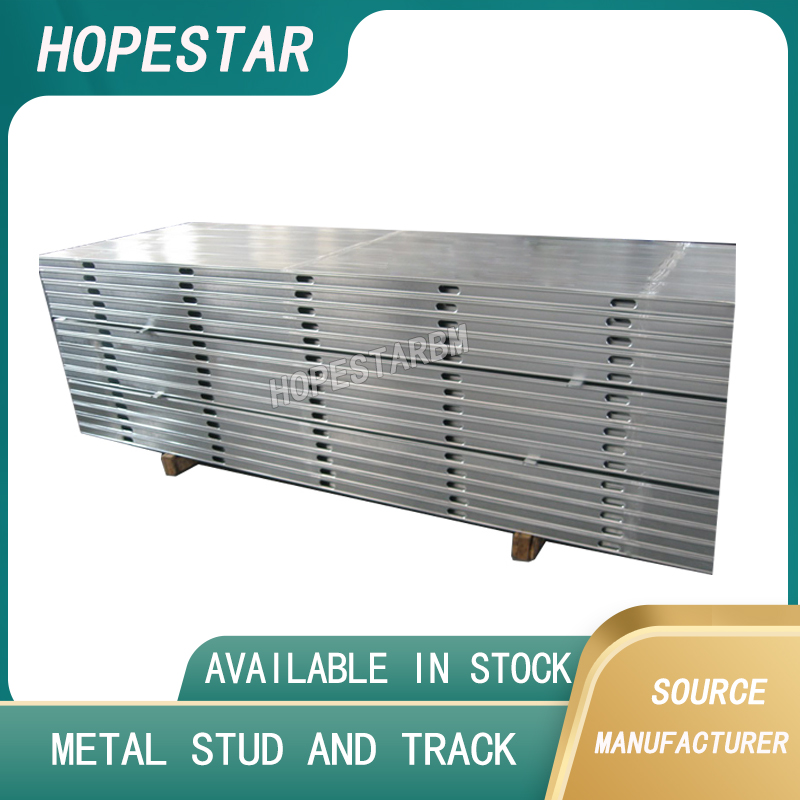
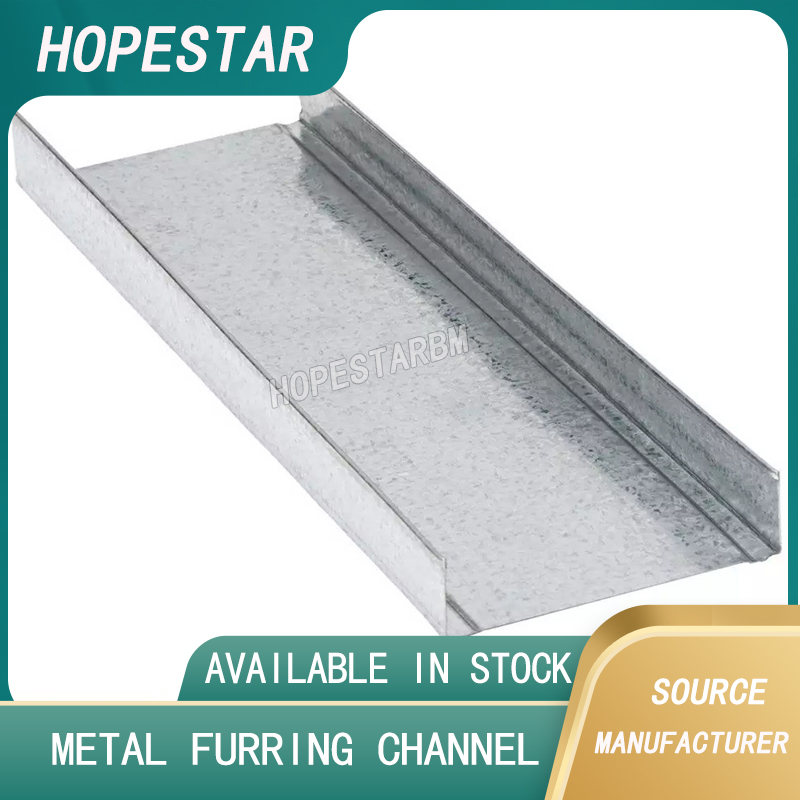
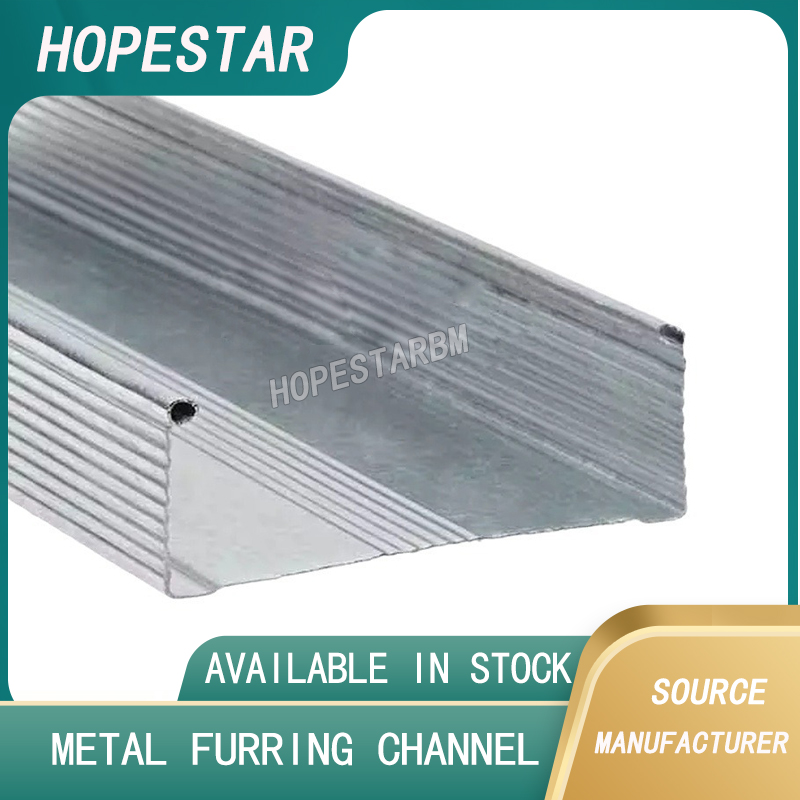
To understand the system, it is critical to separate the design purpose of metal stud and metal track. Metal studs feature a C-profile with small return lips along the flanges. These lips add rigidity and prevent twisting once drywall is screwed on. Pre-punched service holes run along the stud web, allowing electricians and low-voltage technicians to run cables without cutting away structural material. Metal track is a simple U-channel with no reinforcing lips, sized so the metal stud slides neatly inside its opening. The bottom track anchors to the floor slab or subfloor; the top track fastens to overhead structure or ceiling framing. Both pieces must share the identical width to match properly. A 3-5/8 inch metal stud requires a 3-5/8 inch metal track, and mismatched widths will create gaps, lean, and weak connections that show up in finished drywall seams.
One of the biggest advantages of metal stud and metal track assemblies is consistent dimensional accuracy. Factory roll-formed from galvanized steel, every piece holds the same width, depth and straightness. Unlike wood plates and studs that bow, shrink, or cup with humidity changes, galvanized metal stud and metal track stay straight year after year. This consistency is especially valuable for long office partitions, hotel corridor walls, and multi-unit apartment projects where dozens of identical walls go up. Installers can mark layout lines once, cut the track to length, space studs on center, and trust the finished frame will remain plumb. This directly reduces drywall callbacks caused by seasonal movement in traditional wood framing.
Gauge selection is another key specification point for metal stud and metal track. Gauge describes steel thickness, and the same gauge rating should be used across the matched set for reliable performance. 25-gauge is the most common budget option for short interior partitions under 10 feet tall, widely used in home remodels and simple office fit-outs. Taller walls, high-traffic retail spaces, and partitions that support heavy fixtures such as cabinet banks, handrails or large TV mounts demand thicker 22-gauge or 20-gauge metal stud and metal track. Specialized slotted deflection track is a popular upgrade for multi-story buildings. This flexible track allows minor vertical movement of floor slabs above without transferring stress to studs and drywall, eliminating horizontal cracking at the top of partition walls.
Proper layout and assembly sequence separate clean jobs from messy, uneven framing. Work starts by snapping chalk lines on the floor to mark partition edges, then attaching the bottom metal track directly to the floor along the line. Next, transfer the layout up to the ceiling structure and fasten the top track parallel to the bottom track. Once both tracks are secured, insert metal studs into the channels at the specified on-center spacing. 16-inch on-center spacing is standard for drywall partitions, while 24-inch spacing is permitted only for lighter panels and low-load applications. All stud flanges must face the same direction; this simple rule makes drywall screw installation smoother and keeps the entire frame aligned. After studs are set, install bridging or nogging tracks between tall studs to limit lateral movement and add rigidity. Before hanging drywall, check every stud with a level to confirm plumb, and adjust any tilted members before they are locked in place by gypsum panels.
Fastener rules for metal stud and metal track differ greatly from wood framing. Standard wood screws will not hold reliably. Installers must use self-drilling fine-thread steel screws for joining track to studs, and for attaching drywall onto stud faces. When anchoring track to concrete floors, use approved concrete screws or powder-actuated fasteners. For wood joist overhead structures, corrosion-resistant screws secure the top track firmly. Many installers overlook galvanized coating compatibility; mismatched fastener metals can trigger galvanic corrosion and create rust stains that bleed through paint months later. All fasteners should be zinc-coated to match the galvanized finish of metal stud and metal track.
Common mistakes with metal stud and metal track framing usually stem from poor pairing or rushed layout. The most frequent error is mixing different widths or gauges between studs and track, creating a loose fit that sways under drywall weight. Builders also sometimes skip the top track entirely and try to fasten stud tops directly to overhead joists, which removes the alignment control the track provides. Spacing studs too far apart, failing to plumb each vertical member, or forgetting deflection track where building movement is expected also lead to visible wall defects. Another overlooked issue is cutting track around door openings incorrectly. Short track segments at door jambs need extra blocking to support door hardware and prevent the frame from shifting when doors swing.
Beyond basic partition walls, metal stud and metal track systems support a wide range of specialty interior builds. They work for curved walls when flexible track is selected, built-in half-walls, closet enclosures, and shaft walls for mechanical chases. Combined with resilient channels, insulation and acoustic drywall, they deliver high-performance sound-rated partitions for bedrooms, conference rooms, and recording spaces. The non-combustible nature of galvanized steel also helps assemblies meet fire-rated wall requirements when paired with the correct drywall, joint treatment and perimeter sealing.
For modern interior fit-out teams, metal stud and metal track remain the default framing choice for drywall partitions. The matched set delivers repeatable precision, long-term stability, pest resistance and fire safety benefits that wood framing cannot match. When specifiers select matching widths, correct gauges, compatible fasteners and follow standard layout rules, metal stud and metal track build walls that stay straight, stable and crack-free for decades. Whether you are estimating a small basement partition or rolling out hundreds of identical walls for a commercial project, investing in properly sized, galvanized metal stud and metal track is the foundation for a professional, durable drywall finish.
Drywall Steel: The Reliable Framing Backbone for Modern Gypsum Board Installations
Related Article