Hat Track Ceiling: A Complete Guide to Hat Channel Furring Systems for Drywall Ceilings
When you are sourcing metal framing for suspended drywall ceilings, hat track ceiling is a top search term for contractors, drywall installers, building material distributors and renovation project owners. Also widely called hat channel, top hat furring channel or hat-shaped furring track, hat track ceiling systems are lightweight cold-formed galvanized steel profiles that form the secondary support grid for gypsum drywall, acoustic panels and ceiling boards. This practical SEO guide covers what hat track ceiling is, its core advantages, common specifications, pricing factors, installation tips, typical applications and buying advice to help you get reliable quotations and avoid quality traps for your ceiling framing projects.
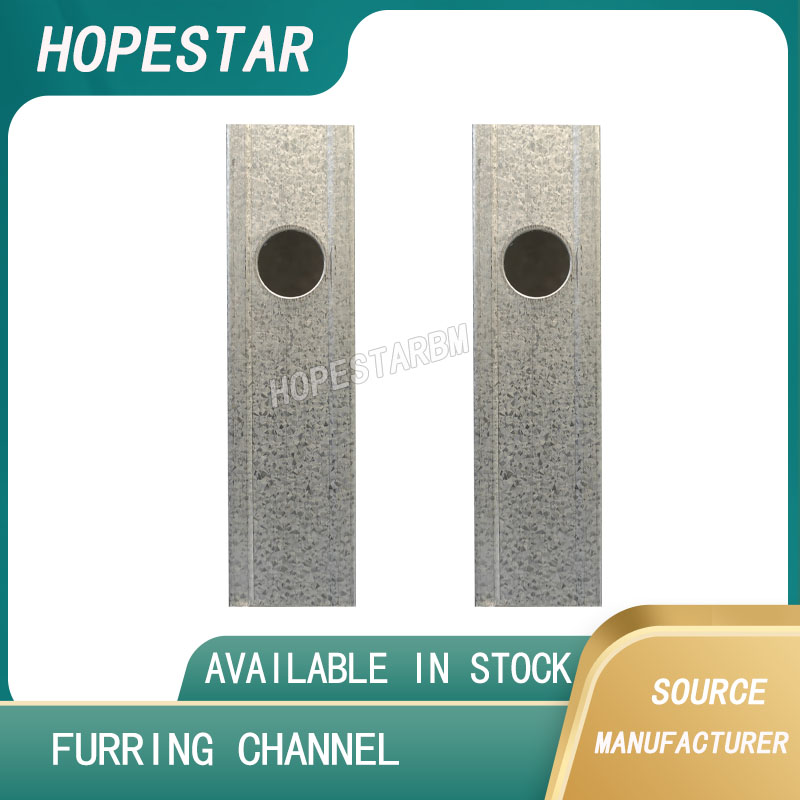
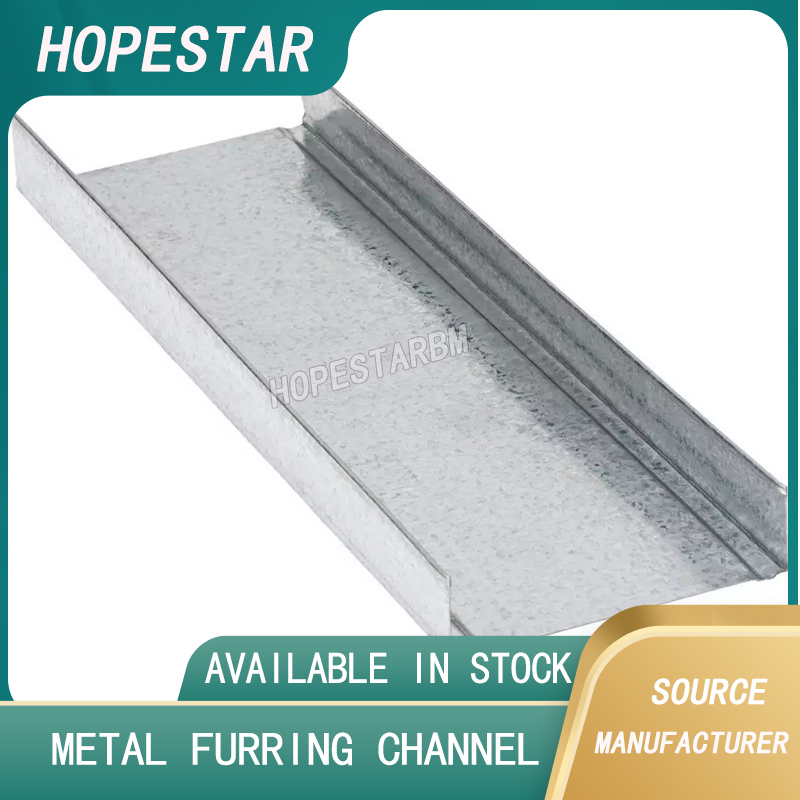
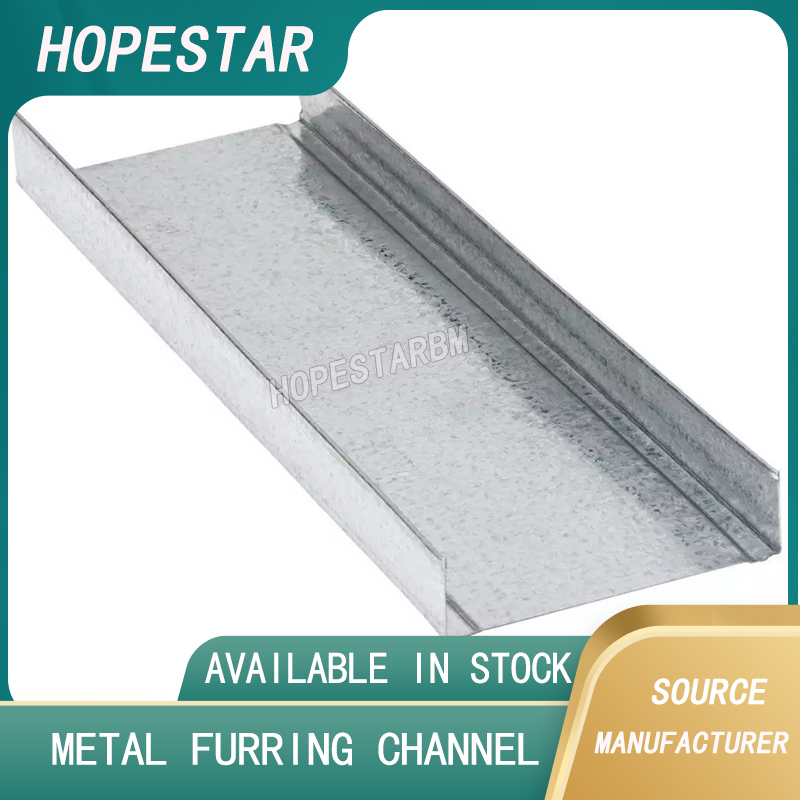
A hat track ceiling gets its name from the unique hat-like cross-section of the metal track. Its central flat top and two side flanges create a stable platform to screw drywall directly, while forming a consistent air cavity between the structural slab and ceiling panels. Unlike solid wood furring strips or heavier C-channel main runners, hat track is designed specifically for leveling uneven concrete ceilings, creating sound isolation gaps and holding drywall sheets securely. A standard complete hat track ceiling assembly includes hat channels, main runners, hanger wires, suspension rods, wall angle trim, self-tapping screws and connection clips. Many new buyers mistakenly quote only the hat track itself, ignoring matching accessories, which often leads to incomplete budgets and delayed construction schedules.
One of the biggest reasons hat track ceiling is so popular in modern construction is its outstanding sound dampening performance. When paired with resilient sound clips, the hat track ceiling breaks the sound transmission path between the building structure and drywall. This reduces impact noise and airborne noise effectively, making it the preferred metal framing solution for home theaters, recording studios, apartments, hotel rooms and office partitions. Wood furring transfers vibration easily, while ordinary C-channel framing offers limited sound isolation. For projects with strict acoustic requirements, hat track ceiling systems deliver much better noise control without complicated custom modifications.
Material grade and metal gauge directly decide hat track ceiling quality and service life. Most regular hat track ceiling products are made of hot-dip galvanized steel. The zinc coating prevents rust even in humid basements, laundry rooms and coastal buildings. Common gauges range from 20 gauge to 26 gauge. Thicker 20–22 gauge hat track carries higher load capacity for wider ceiling spans and heavy acoustic boards, while thinner 24–26 gauge hat track works well for simple light-duty residential drywall ceilings. Aluminum hat track is available for highly corrosive environments, though its price is noticeably higher than galvanized steel. Fire-rated hat track ceiling options meet Class A non-combustible standards, complying with building codes for schools, hospitals, shopping malls and public buildings.
Project scale, delivery terms and order quantity greatly affect hat track ceiling pricing. Factory wholesale unit prices are calculated by linear meter or linear foot. Bulk orders from construction contractors and importers enjoy lower rates, especially for full-container shipments. Small retail packs for home DIY renovation have higher unit prices because of separate packaging and handling fees. For reference, the hat track ceiling framing alone usually costs $2.5–$6 per square meter for standard flat drywall ceilings. Costs rise when you need multi-level coffered ceilings, curved ceiling layouts, extra soundproofing clips or custom cut lengths. It is important to separate material cost from labor cost. Complex ceiling shapes, high ceiling elevation and old-ceiling demolition work will push up installation charges significantly.
Installation rules are critical to prevent sagging and cracking on a hat track ceiling. Hat channels must be spaced following local building codes; typical spacing is 400mm or 600mm on center for drywall. All hangers should be fixed firmly to the concrete slab or joists, and the grid must be leveled carefully before attaching drywall. Over-spanning, weak hangers or improper screw placement are the most common causes of ceiling sagging after installation. Many installers also leave wiring and insulation inside the cavity created by the hat track ceiling, which saves extra space and keeps wiring hidden neatly above the drywall surface.
Hat track ceiling systems serve a wide range of indoor projects. Residential applications include basement ceilings, bedroom drywall ceilings, home theater soundproof ceilings and renovation ceiling leveling. Commercial projects cover office suspended ceilings, hotel guest room ceilings, classroom ceilings, clinic interiors and retail store false ceilings. It is also widely used for wall furring to level brick and concrete walls, though our focus here is ceiling framing. Compared with traditional plaster ceilings and T-bar suspended tile grids, hat track ceiling offers more flexible design, simpler modification and lower long-term maintenance.
To select the best hat track ceiling for your project, follow these practical buying tips. First, confirm your ceiling span, panel weight, acoustic requirement and local fire code before sending inquiries. Second, clarify whether the quotation includes only hat track profiles or the full set of accessories, packaging and loading. Third, compare samples from multiple suppliers: check steel thickness, zinc coating uniformity, straightness and flange hardness. Cheap thin-gauge hat track may bend easily under drywall weight and develop rust quickly, which results in expensive rework. Fourth, choose certified manufacturers that can provide test reports and batch inspection records, especially for export orders and public bidding jobs.
All in all, hat track ceiling remains a cost-effective, versatile metal furring solution for drywall ceiling construction. It balances light weight, structural stability, sound isolation and anti-rust performance. Whether you are a ceiling contractor, building material wholesaler or property owner planning a renovation, understanding hat track ceiling specifications, cost components and installation limits helps you avoid budget overruns and quality risks. Investing in properly galvanized, code-compliant hat track ceiling will create a flat, durable and quiet ceiling finish that lasts for many years.
Furring Ceiling Price: A Complete Cost Guide for 2026
Related Article