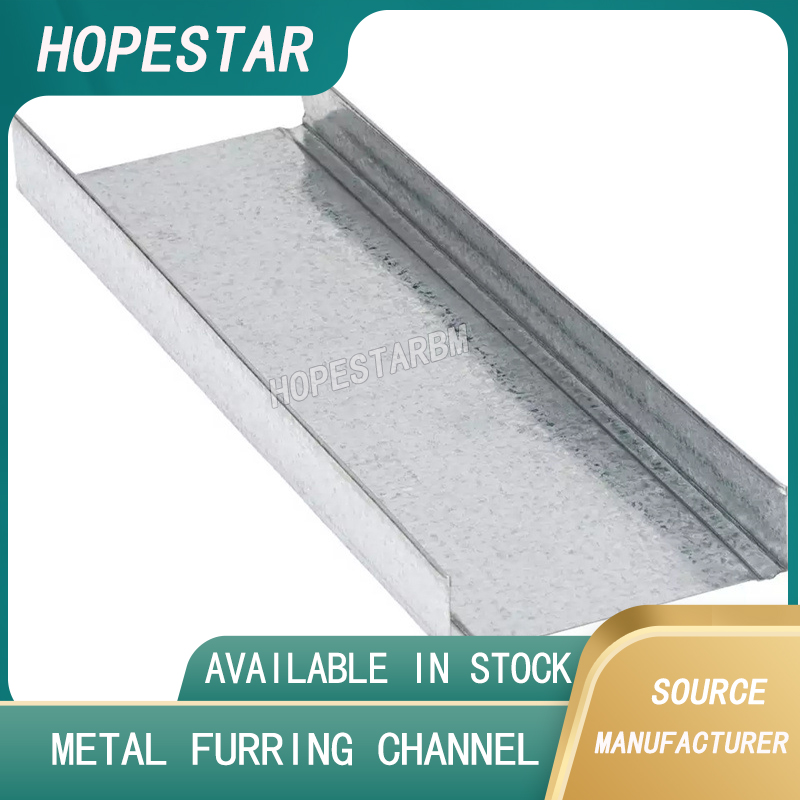
Ceiling Wall Angle – Galvanized L-Shaped Perimeter Trim for Suspended Drywall Ceilings

Ceiling wall angle, also known as perimeter angle or L-angle, is an indispensable L-shaped metal profile for suspended drywall ceiling systems. Roll-formed from cold-rolled galvanized steel, ceiling wall angle is fixed along the wall perimeter to support the ends of main channels and furring channels, locking the whole ceiling grid in place. This simple but vital framing accessory delivers edge support, accurate leveling and neat finishing for gypsum drywall ceilings, acoustic ceilings and decorative ceiling panels in residential apartments, offices, hotels, shopping malls, hospitals and school construction projects.
The primary function of ceiling wall angle is perimeter support. When installing a drop ceiling, installers fasten ceiling wall angle to the wall at the designed ceiling height using wall anchors or screws. The flanges of the ceiling wall angle hold the outer ends of main channels and cross furring channels, transferring partial ceiling load onto the surrounding walls. Without ceiling wall angle, the outer edges of the ceiling grid lack stable support, leading to uneven edges, sagging panels and gaps between ceiling and wall. It also helps builders mark a consistent horizontal reference line across the whole room, making ceiling leveling much easier and reducing uneven finished surfaces.
Galvanized steel ceiling wall angle offers reliable anti-corrosion and long service life. The zinc galvanized coating creates a protective barrier against oxidation and rust. It performs steadily in humid areas including basements, restrooms, laundries and coastal buildings. Unlike wooden trim, ceiling wall angle will not rot, shrink, warp or attract termites under changing temperature and humidity. As a non-combustible metal component, it supports fire-rated ceiling assemblies when matched with fire-resistant drywall and insulation, helping projects meet local fire safety codes.
Ceiling wall angle features lightweight design and simple on-site operation. Standard roll forming produces straight L-profiles with consistent dimensions. Workers can easily cut ceiling wall angle to custom lengths with metal snips or cutting tools on site, and miter the corners at 45 degrees for clean intersections at room corners. Pre-punched holes on some ceiling wall angle options speed up fixing work. Its light weight makes transportation, stacking and installation fast, shortening project schedules and cutting labor costs for contractors.
Manufacturers supply ceiling wall angle in multiple standard sizes to meet different project demands. Common sizes include 20×20mm, 25×25mm and 30×30mm, with steel thickness ranging from 0.35mm to 0.6mm. Thin-gauge ceiling wall angle fits light-duty drywall ceilings with small spans, while thicker gauges are chosen for large commercial ceilings or ceilings carrying heavier acoustic panels. Custom lengths and special finishes such as powder coating are available upon request. The standardized production ensures good straightness, flatness and uniform zinc coating for every batch.
When sourcing ceiling wall angle, buyers should check three key indicators: raw steel quality, galvanized coating thickness and profile straightness. Low-quality thin steel may bend easily during screwing and corner cutting. Insufficient zinc coating will develop rust spots in damp environments. Trustworthy manufacturers follow international standards and maintain strict forming tolerances, guaranteeing stable mechanical performance for the ceiling perimeter. Buyers need to select proper specifications according to ceiling span, panel weight and local building requirements.
In summary, ceiling wall angle is a small yet critical component for modern suspended drywall ceiling systems. It provides solid perimeter support, precise leveling, corrosion resistance, fire safety and clean edge finishing. For builders, contractors and distributors purchasing metal ceiling framing materials, premium ceiling wall angle stabilizes ceiling grids, minimizes edge defects and delivers tidy, long-lasting ceiling finishes for all interior construction projects.
Galvanized Steel Profiles – Reliable Cold Rolled Framing for Drywall Walls and Ceilings
Related Article