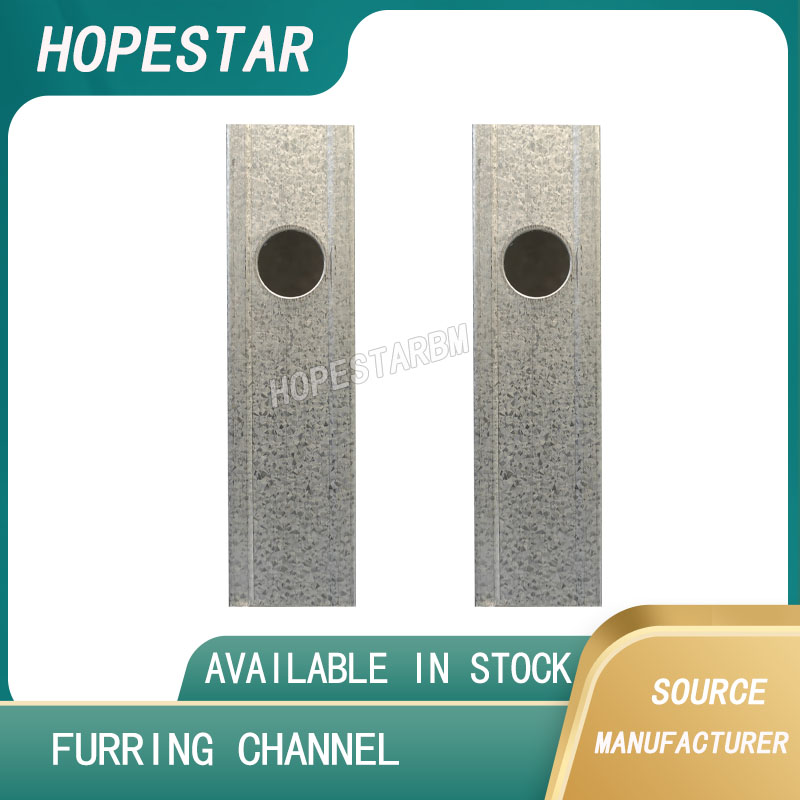
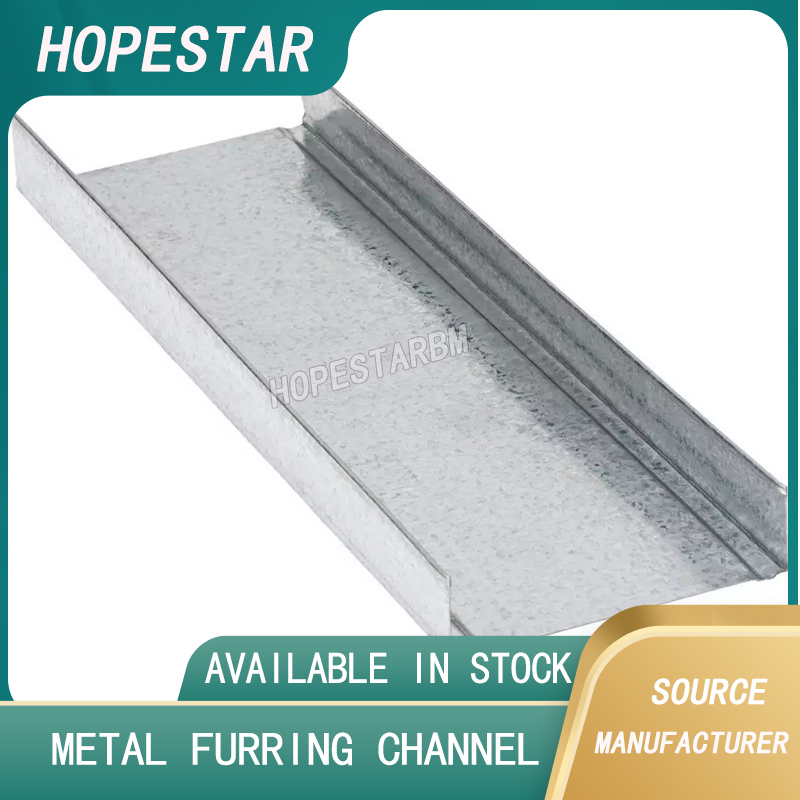
Steel Stud Track: The Foundation of Reliable Drywall Framing for Modern Construction
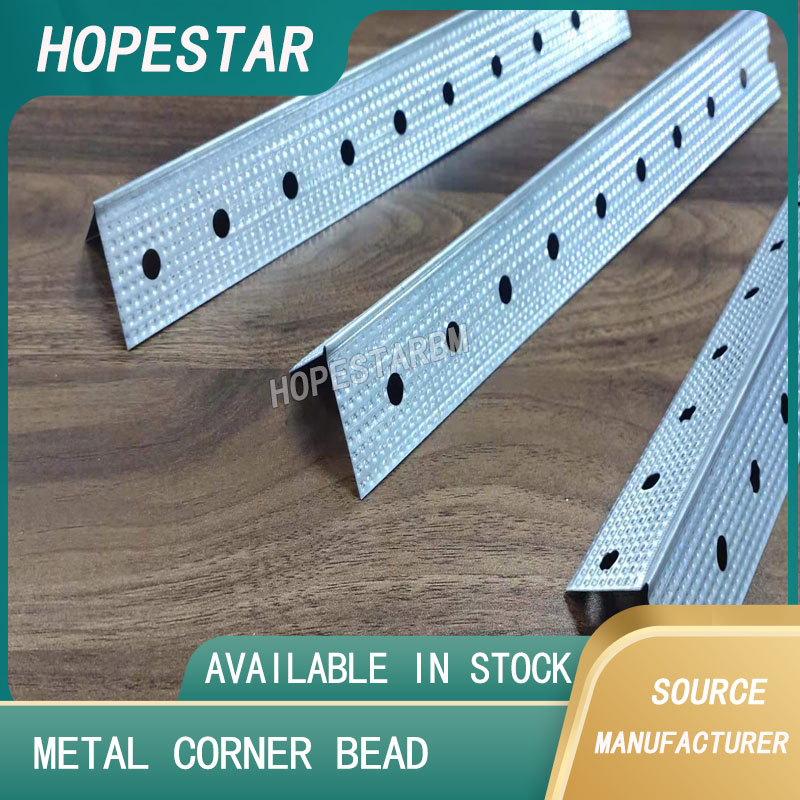
Steel stud track, also widely known as runner or channel, is the horizontal U-shaped component that forms the top and bottom anchor of every cold-formed steel partition wall. While steel studs carry the vertical load and create fixing points for gypsum boards, steel stud track holds the whole wall assembly aligned, plumb, and securely fastened to floor slabs, ceiling decks, or structural slabs. For contractors, developers, and building material suppliers, selecting the right steel stud track directly impacts installation speed, wall flatness, fire safety, and long-term finish performance, which makes it a non-negotiable core part of metal framing systems for commercial, institutional, residential and renovation projects worldwide.
Most steel stud track is manufactured from galvanized cold-rolled steel. The zinc coating delivers stable corrosion resistance, preventing rust even in humid indoor environments such as restrooms, laundries, and basement partitions. Unlike wooden bottom plates, galvanized steel stud track will not warp, shrink, twist, or attract termites. These inherent advantages reduce the risk of drywall cracking, uneven joint lines, and call-backs years after project handover. When matched with compatible C-shaped steel studs, the complete steel stud and track system delivers consistent dimensional accuracy, which is especially valuable for large-scale projects where hundreds of partition walls need to maintain uniform layout and clean finish lines.
There are three primary steel stud track variants that dominate current framing specifications, each engineered for distinct site conditions. Standard steel stud track is the default option for most low-to-medium height non-load-bearing interior partitions, including office dividing walls, apartment bedroom partitions, and retail backroom separations. It features standard flange depth to seat studs firmly and works well where building structural deflection is minimal. Deep steel stud track comes with taller flanges, creating deeper engagement with vertical studs. This extra lateral support is ideal for tall partition walls, high-traffic corridors, school hallways and hospital interiors, where accidental impact and lateral force are common concerns. The third category is slotted deflection steel stud track, a specialized head track designed for multi-story buildings. Its pre-cut slots allow vertical slip movement between the partition wall and overhead structure, absorbing slab deflection, thermal expansion and live load movement without transferring stress to studs and drywall finishes. This is critical to avoid ceiling cracks, broken joint tape and damaged fire-rated assemblies in high-rise construction.
Size and gauge matching are the most common mistakes made by onsite teams, and improper pairing of steel stud track with studs will undermine wall stability. Steel stud track width must exactly match the web width of the corresponding steel stud. Common imperial sizes include 1-5/8”, 2-1/2”, and 3-5/8”, while metric sizes cover 50mm, 75mm, 90mm and 100mm profiles. Gauge selection follows wall height and load requirements: lighter 24–25 gauge steel stud track fits short, light-duty partitions, while heavier 20–22 gauge track is specified for taller walls, walls with heavy fixtures, or assemblies with enhanced fire ratings. Standard factory lengths are 10ft, 12ft and custom cut lengths, which help minimize onsite waste and speed up layout work. Quality suppliers also provide custom punching, curved track profiles and special accessories for curved partition walls, elevator shaft walls and shaftwall assemblies to meet complex architectural designs.
When it comes to installation best practices, steel stud track must be fixed to solid substrates with proper fasteners. For concrete floors, powder-actuated fasteners or concrete anchors are recommended; for wood substrates, wood screws are suitable. Fastener spacing follows local building codes, typically 24 inches on center, with extra fasteners within 4 inches of track ends and door/window openings. For slotted deflection track, installers must never screw studs rigidly to the track, as this defeats the deflection function and causes cracking. After fixing the top and bottom steel stud track, vertical studs are inserted into the track cavities, spaced at 16” or 24” on center depending on drywall thickness, acoustic requirements and fire assembly ratings. Additional bridging channels can be added between studs for lateral bracing on extra-tall walls, locking the whole framing system together reliably.
Steel stud track also supports modern building performance targets, including acoustic insulation, fire resistance and sustainability. Fire-rated steel stud track assemblies can be paired with fire-resistant gypsum, fire caulking and firestop materials to achieve 1-hour, 2-hour or longer fire ratings for corridor walls, shaft enclosures and compartment separation. For acoustic partitions, steel stud track works with resilient channels and acoustic insulation to reduce sound transmission between rooms, widely used in hotels, recording studios, offices and medical spaces. From an environmental perspective, cold-formed steel is 100% recyclable, and precision roll forming reduces offcuts compared to timber framing. There is no need for chemical preservatives used in treated wood, lowering volatile organic compound risks for indoor air quality, a major selling point for green building and LEED-aligned projects.
Many buyers focus only on steel stud price while ignoring track quality, which leads to hidden risks. Low-quality steel stud track may have uneven galvanized coating, thin base metal, distorted U-profiles, or inconsistent flange dimensions. These defects make studs hard to seat, slow down drywall installation, and create weak points that deform over time. Reliable steel stud track suppliers perform strict dimensional checks, zinc coating weight testing and tensile strength testing before shipment, and can provide SGS test reports, material certificates and engineering support for bidding and approval documents. For export buyers, consistent packing, clear marking and container loading plans also help reduce damage during ocean transport and streamline customs clearance.
In summary, steel stud track is far more than a simple U-channel accessory. It is the stabilizing backbone of every metal partition wall. Choosing the correct type, gauge and size of steel stud track, following proper installation rules and sourcing certified products will help contractors finish projects faster, reduce defect rates, and deliver straight, durable, code-compliant drywall partitions. As modular construction, prefabricated interior systems and high-rise commercial building demand continues to grow, high-performance galvanized steel stud track will remain a core building material for interior framing around the globe.
Ceiling Wall Angle – Galvanized L-Shaped Perimeter Trim for Suspended Drywall Ceilings
Related Article