hat Is Furring a Ceiling for Drywall?
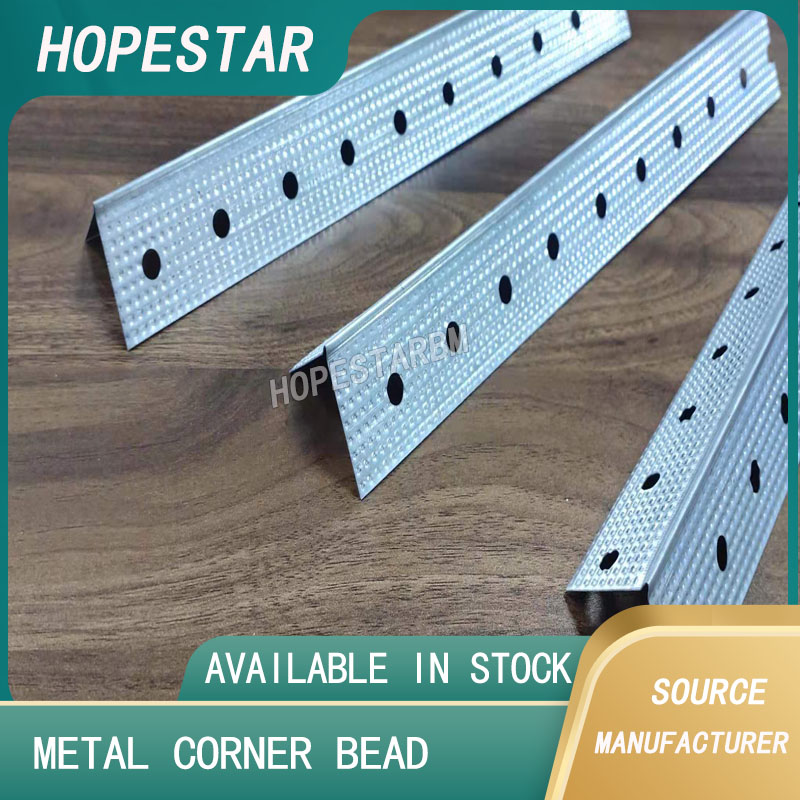
Furring a ceiling for drywall is one of the most reliable framing methods to build a level, stable mounting base for gypsum boards, widely used in residential basements, garages, renovations and commercial interior projects. If your ceiling joists, concrete slab or old plaster surface is uneven, out of level or needs hidden space for wiring, insulation and ductwork, installing furring strips or metal furring channels before hanging drywall will drastically improve your final ceiling finish and long-term performance. This guide explains what ceiling furring is, its core benefits, material options, standard installation steps, spacing rules and common mistakes to avoid.
Many DIY builders and new contractors wonder whether furring a ceiling for drywall is always required. The simple answer is no. When ceiling joists are perfectly straight, level and spaced correctly, drywall can be fastened directly to joists. However, direct drywall mounting leaves no room for adjustments, and small imperfections in the framing will show through the painted ceiling as wavy lines, bulges or cracks over time. That is why professional drywall crews choose furring systems for most renovation and basement ceiling jobs. Furring creates a secondary, adjustable plane independent of the original rough structure, giving you full control over flatness before drywall goes up.
What Is Furring a Ceiling for Drywall?
Ceiling furring, also known as ceiling strapping, is the process of mounting linear strips or hat-shaped metal channels perpendicular to ceiling joists, trusses or concrete substrates. These members form a grid framework, and drywall panels are screwed onto this furring grid rather than the original ceiling structure. The gap created between the substrate and drywall is called a furring cavity, which serves multiple practical functions beyond leveling.
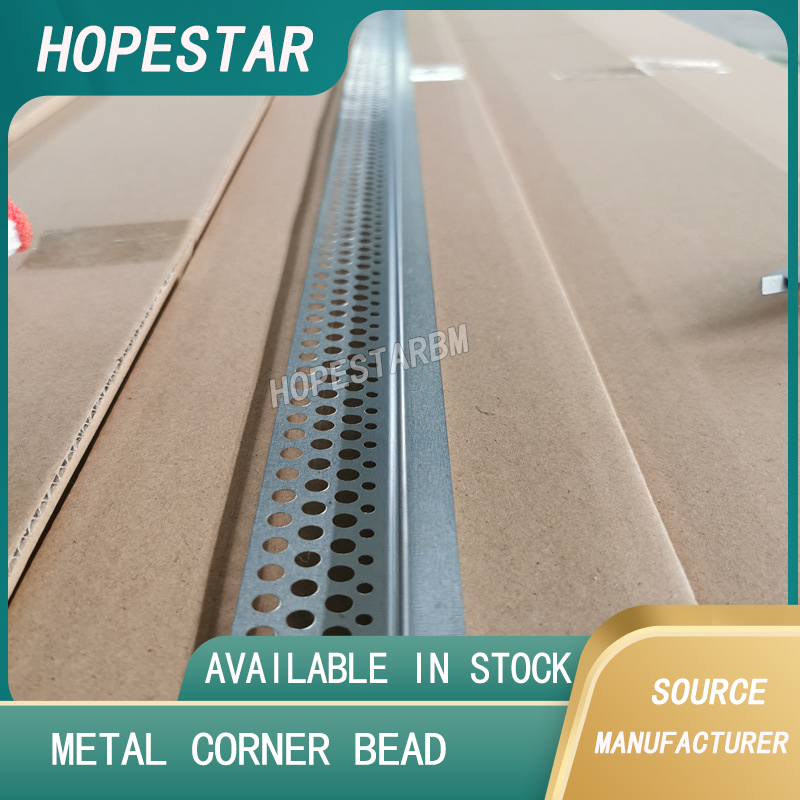
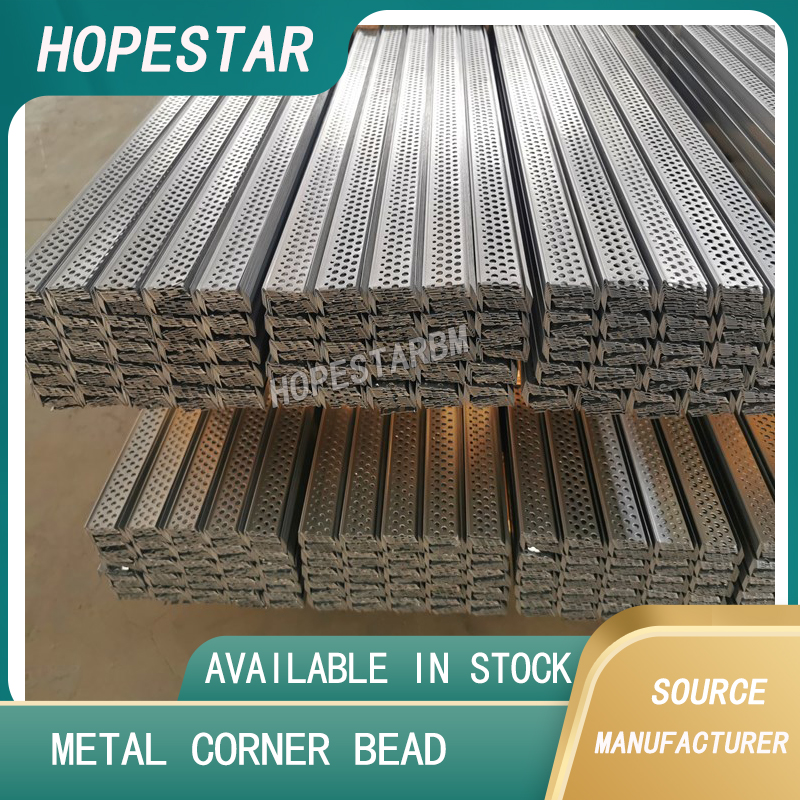
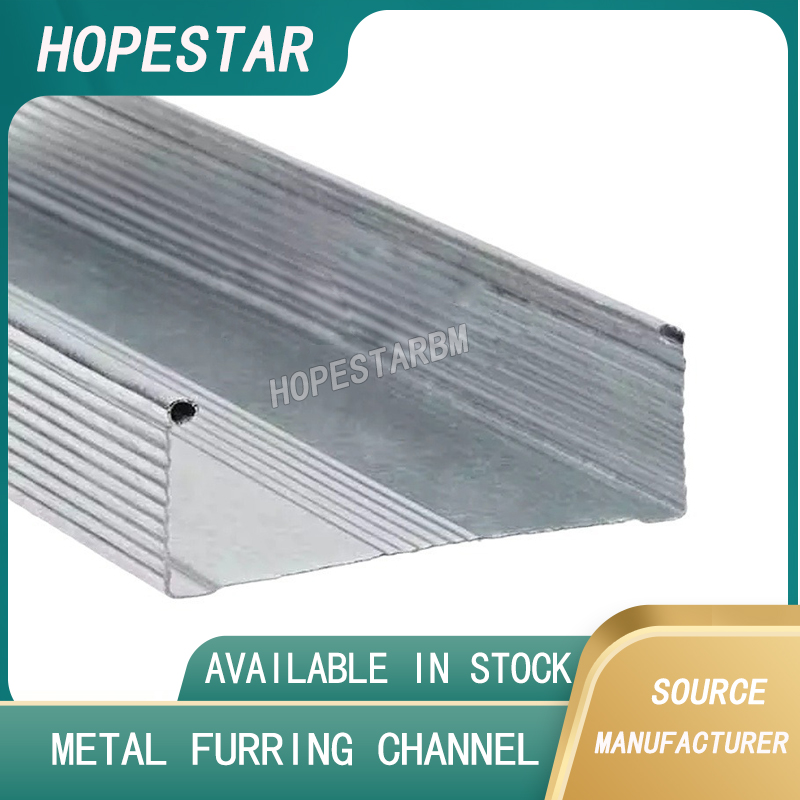
Two primary types of furring materials dominate the market: wood furring strips and galvanized metal furring channels. Wood furring, usually 1×3 or 1×4 dimensional lumber, is budget-friendly and easy to cut on site, making it popular for small residential DIY projects. The downside is that untreated wood can warp, shrink, attract pests or develop mold in humid spaces like basements. Galvanized steel furring channels, often called hat channels, are the preferred choice for commercial construction, high-moisture areas and sound-rated assemblies. Metal furring stays straight, resists rot and fire, does not shrink, and delivers consistent support to prevent drywall sagging on wide spans.
Key Benefits of Furring a Ceiling Before Drywall
The biggest advantage of furring a ceiling for drywall is surface leveling. Old homes often have twisted joists, sagging plaster or concrete slabs with height variations. Shims placed under furring strips correct low and high spots, so the finished ceiling stays smooth and uniform. Without furring, these structural defects are nearly impossible to hide after drywall and taping are finished.
Second, the furring cavity creates hidden space for utilities. Electrical cables, low-voltage wiring, small plumbing runs and ventilation ducts can be routed between the furring members without cutting or notching structural joists. This simplifies rough-in work and keeps all services accessible for future repairs or upgrades. The cavity also accepts fiberglass batts, mineral wool or spray foam insulation to boost thermal efficiency and reduce heat loss through the ceiling assembly.
Acoustic performance is another major reason builders select furring systems. Resilient furring channels decouple drywall from the structural framing, cutting down sound transmission between floors. This matters for apartments, home offices, recording rooms and bedrooms where noise control is a priority. Compared to direct attachment, decoupled furring reduces vibration transfer and delivers better STC ratings without building a full suspended drop ceiling.
Moisture protection is critical for basement ceilings. Furring lifts drywall away from cold concrete or damp masonry, allowing air circulation and lowering condensation risk. Paired with vapor barriers and moisture-resistant drywall, furring greatly reduces mold and mildew growth, a common headache in below-grade spaces.
What Is a Light Steel Keel Ceiling?
Light Steel Keel Ceiling: Reliable Framing for Modern Suspended Ceiling Projects
Related Article