
Drywall Furring Channel: Benefits, Uses & Installation Guide
2026-10-09
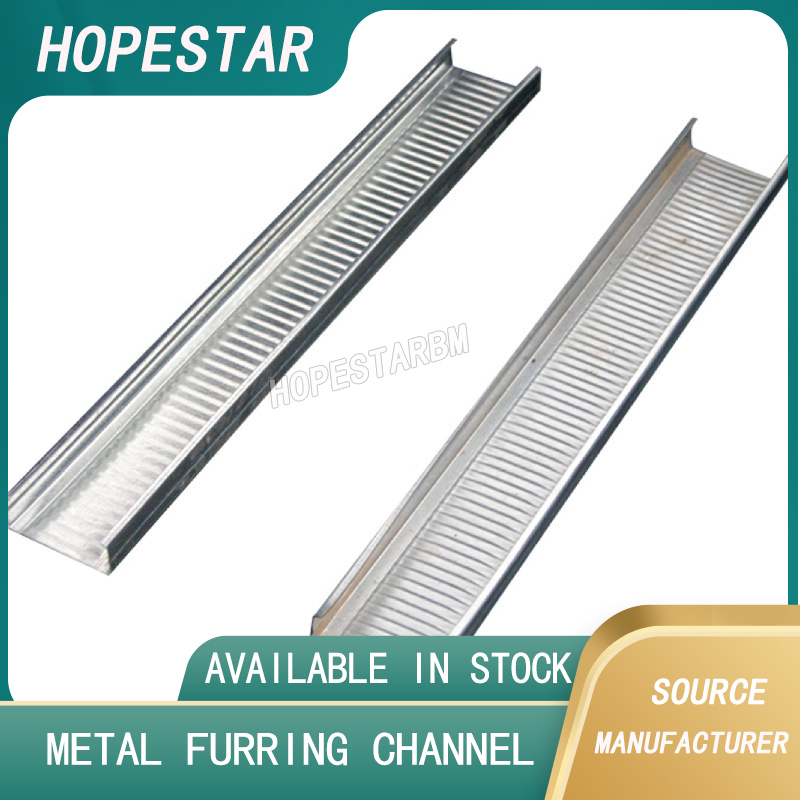
1. What Is a Drywall Furring Channel?
A drywall furring channel is a lightweight, galvanized steel building profile designed specifically for drywall installation in residential, commercial, and industrial construction projects. Also widely known as a hat channel or metal furring strip, this C-shaped or hat-shaped metal framing component serves as a critical intermediate layer between structural substrates—including concrete walls, masonry blocks, ceiling joists, and steel studs—and drywall panels. Unlike traditional wooden furring strips, metal drywall furring channels deliver superior stability, durability, and consistency for modern drylining systems.
Manufactured from high-quality galvanized steel, standard drywall furring channels feature excellent rust and corrosion resistance. They are engineered to create a level, flat, and adjustable mounting plane for drywall, solving common construction pain points such as uneven wall and ceiling surfaces, structural irregularities, and insufficient space for insulation or wiring installation. As an essential part of drywall framing systems, furring channels have become a staple solution for new builds, renovations, and retrofit projects worldwide.
2. Core Benefits of Drywall Furring Channel
Drywall furring channels are favored by contractors, builders, and DIY enthusiasts for their versatile performance and cost-effectiveness. Their key advantages cover structural safety, construction efficiency, and long-term building performance:
-
Superior Surface Leveling: The biggest advantage of drywall furring channels is their ability to flatten uneven masonry and structural surfaces without extensive demolition. They create a uniform plane for drywall placement, eliminating bulges, dents, and uneven gaps to ensure a seamless, smooth finished wall or ceiling surface.
-
Moisture and Corrosion Resistance: Made of hot-dip galvanized steel, these channels effectively resist moisture, rust, and mold growth. Unlike wood furring that warps, rots, or swells in humid conditions, metal furring channels maintain stable performance in bathrooms, kitchens, basements, and coastal high-humidity environments, extending the service life of drywall systems.
-
Enhanced Thermal and Acoustic Performance: By creating a consistent air cavity between the substrate and drywall, furring channels allow for full installation of thermal insulation materials, improving building energy efficiency. Meanwhile, the air gap decouples drywall from rigid structural surfaces, reducing sound transmission and boosting indoor sound insulation effects significantly.
-
Fire Safety Compliance: Steel-based drywall furring channels are non-combustible, fully compliant with modern building fire codes. They do not burn, deform, or release toxic fumes during a fire, providing reliable fire resistance and improving the overall fire safety of interior wall and ceiling systems.
-
Cost and Time Efficiency: Lightweight and pre-sized, drywall furring channels are easy to transport, cut, and install. They eliminate the need for frequent calibration and replacement required for wooden furring strips, reducing on-site labor time, construction waste, and long-term maintenance costs.
-
Strong Compatibility: These channels work seamlessly with all types of drywall panels, steel framing systems, concrete structures, and suspended ceiling grids. They adapt perfectly to various scenarios including partition walls, exterior wall interior lining, soffits, and suspended ceilings.
3. Common Applications of Drywall Furring Channel
Drywall furring channels are widely used in all interior drywall construction scenarios, with mature applications in both residential and commercial buildings:
-
Residential projects: Bedroom and living room partition walls, basement ceiling drywall lining, bathroom and kitchen wall renovation, old house wall leveling and retrofits
-
Commercial buildings: Office partition walls, shopping mall interior decoration, hotel ceiling and wall drywall installation, hospital and school interior renovation
-
Industrial and special spaces: Warehouse interior wall finishing, high-humidity and high-corrosion environment decoration, fire-resistant and soundproof wall systems
-
Suspended ceiling systems: Supporting drywall ceiling panels, creating flat suspended ceiling planes, and reserving space for electrical wiring, plumbing, and ventilation pipelines
4. Standard Installation Tips for Drywall Furring Channel
Proper installation is critical to maximizing the performance of drywall furring channels. Following industry-standard guidelines ensures stable, flat, and long-lasting drywall structures:
-
Install furring channels perpendicular to wall studs, ceiling joists, or masonry substrates to form a stable grid framework.
-
Follow standard spacing requirements: 16 inches or 24 inches on center is the most common specification, matching the size of drywall panels to avoid cracking and sagging.
-
Use shims to adjust channel height for precise leveling on uneven surfaces, ensuring a consistent mounting plane for drywall.
-
Secure channels firmly with self-drilling screws or anchor bolts to prevent loosening or deformation under long-term load.
-
Reserve sufficient cavity space for insulation materials and pipeline layout to optimize thermal insulation and soundproofing effects.
5. Why Choose Metal Drywall Furring Channel Over Wood?
Many builders and contractors now replace traditional wooden furring strips with metal drywall furring channels for interior drywall projects. Wood furring is prone to natural defects including warping, shrinking, rotting, and insect infestation, which easily cause drywall cracking, bulging, and surface unevenness after long-term use. In contrast, galvanized steel furring channels feature dimensional stability, zero deformation, insect-proof, and waterproof properties. They deliver more consistent construction quality, lower maintenance risks, and better compliance with modern green building and safety standards, making them the preferred choice for professional drywall construction.
Z Furring Channel: Key Features, Unique Advantages and Professional Uses
Galvanized Studs: Cold-Formed Studs for Long-Lasting Wall Framing
Related Article

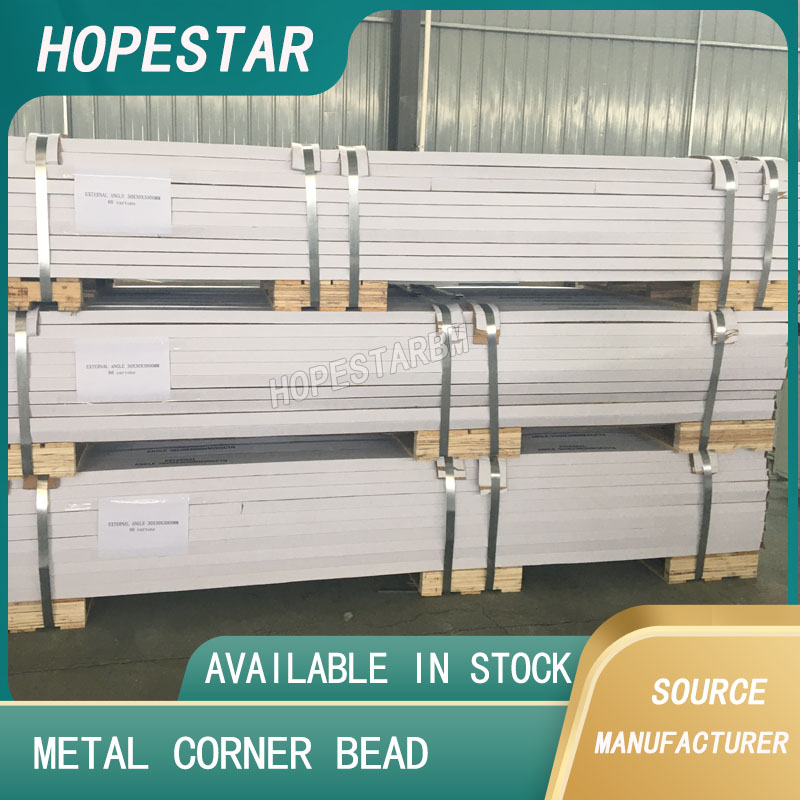
A metal corner bead is a rigid, L-shaped architectural finishing profile specially engineered for drywall, plaster, and stucco exterior corner protection. As an indispensable drywall accessory for interior and exterior construction, it is typically fabricated from hot-dip galvanized steel or lightweight
Metal Corner Bead: Functions, Types, Installation and Professional Benefits
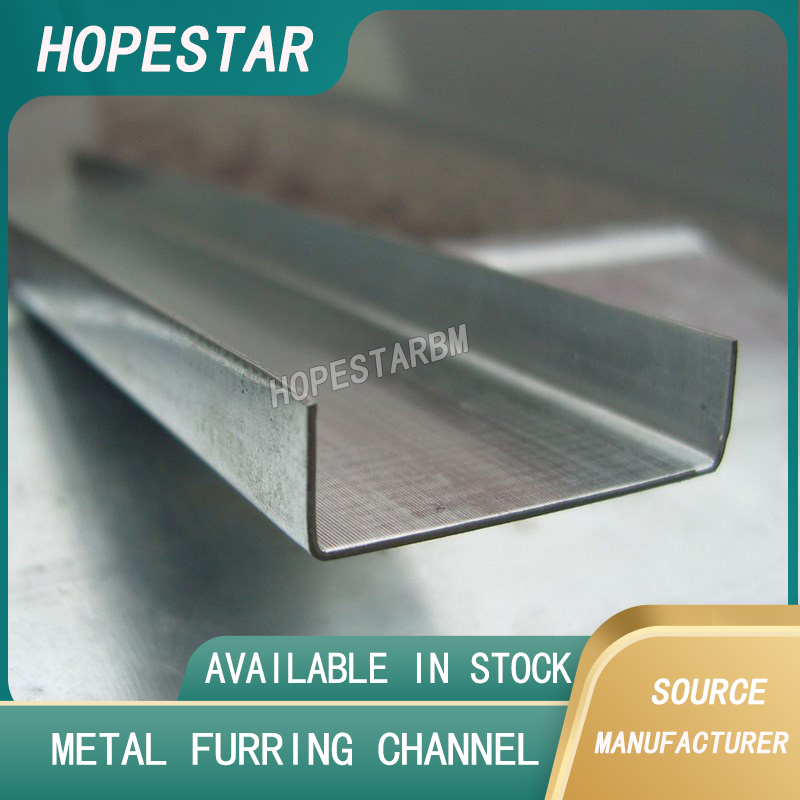
A Z furring channel is a specialized galvanized steel framing profile defined by its unique Z-shaped cross-section, engineered exclusively for interior wall and ceiling drywall assembly, rigid insulation mounting, and masonry wall retrofitting. Unlike standard hat-shaped drywall furring channels,
Z Furring Channel: Key Features, Unique Advantages and Professional Uses
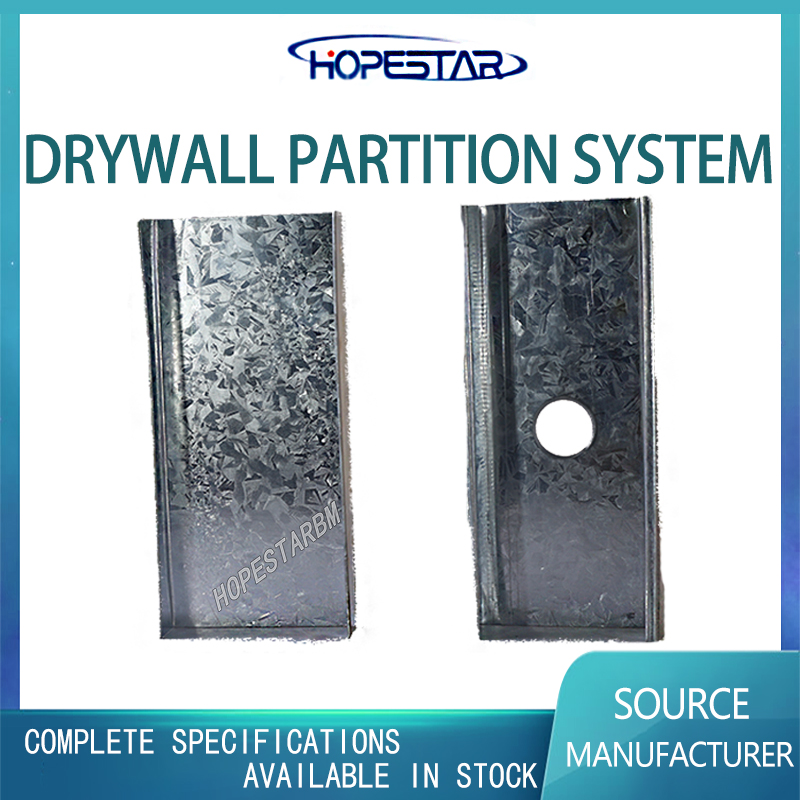
Galvanized studs are cold-formed vertical steel framing members coated with a protective zinc layer, designed to serve as the primary vertical support for drywall partition walls, facade enclosures, and light structural assemblies. Unlike ordinary uncoated steel studs that oxidize rapidly in humid air,
Galvanized Studs: Cold-Formed Studs for Long-Lasting Wall Framing
A drywall channel is a dedicated lightweight galvanized steel profile designed exclusively for drywall plasterboard installation, serving as the critical intermediate support layer between building structural substrates and drywall panels. Unlike general structural steel channels that focus on heavy
Drywall Channel: Galvanized Furring & Resilient Channels for Flawless Drywall Finishing & Sound Insulation