
Galvanized Studs: Cold-Formed Studs for Long-Lasting Wall Framing
2026-09-30
1. Understanding Galvanized Studs and Zinc Coating Grades
Galvanized studs are cold-formed vertical steel framing members coated with a protective zinc layer, designed to serve as the primary vertical support for drywall partition walls, facade enclosures, and light structural assemblies. Unlike ordinary uncoated steel studs that oxidize rapidly in humid air, all galvanized wall studs feature continuous zinc galvanization that shields the steel substrate from rust and chemical degradation. What differentiates premium galvanized studs from generic alternatives is the clear zinc coating grading system—mainly G40 and G90 zinc weights—which directly defines service life, corrosion resistance, and project suitability.
G40 galvanized studs offer a smooth, thin zinc coating ideal for indoor dry environments, delivering stable performance for standard residential and commercial interior partitions. G90 galvanized studs provide a much thicker, denser zinc layer with superior scratch resistance and anti-corrosion capability, engineered for high-moisture, coastal, and semi-outdoor building zones. This grade-based classification allows contractors and designers to select targeted framing solutions instead of adopting one-size-fits-all materials, effectively avoiding premature wall system failure caused by coating mismatch.
2. Core Performance Benefits of Grade-Specified Galvanized Studs
Self-Healing Zinc Protection and Zero Red Rust Risk
A unique advantage of galvanized studs is the self-healing property of zinc coating. Minor cuts, drill holes, and installation scratches that break the surface layer will not trigger spreading red rust, as the surrounding zinc material automatically oxidizes to form a stable passive protective film. This electrochemical protection mechanism is far more reliable than spray paint or post-installation anti-rust treatments. Even in long-term static building environments, galvanized studs maintain a clean metallic finish without rust stains that bleed through drywall and ruin interior aesthetics.
Precision Dimensional Consistency for Flawless Drywall Joints
Manufactured via high-precision cold rolling and computerized molding, modern galvanized studs feature consistent flange width, web depth, and straightness across every batch. They eliminate the warping, twisting, and dimensional deviation common in low-grade steel studs or traditional wood studs. Uniform vertical flatness ensures tight drywall joints, minimal seam gaps, and zero wall bowing after installation. This precision drastically reduces on-site putty filling, sanding, and corrective finishing work, improving overall wall decoration quality.
Non-Combustible, Code-Compliant Structural Safety
Galvanized studs are fully non-combustible building components that meet international fire safety building codes. They do not ignite, burn, or release toxic fumes during fire incidents, maintaining structural integrity longer than wooden framing. In multi-story commercial buildings, school campuses, healthcare facilities, and public service buildings, galvanized stud framing effectively restricts fire spread, enhances building fire resistance rating, and reduces property and safety risks for high-occupancy spaces.
Immunity to Pests, Mold, and Humidity Degradation
Unlike wooden studs that absorb moisture, breed mold, and attract termites and carpenter ants, galvanized steel studs are completely inorganic and inert. They resist mildew growth in damp basements, bathroom partitions, and kitchen wall assemblies, and never suffer biological erosion. This characteristic makes them the preferred framing material for high-hygiene spaces such as hospital wards, laboratory clean rooms, and food processing factory interiors, where sanitary stability is a top priority.
Drywall Furring Channel: Benefits, Uses & Installation Guide
Drywall Channel: Galvanized Furring & Resilient Channels for Flawless Drywall Finishing & Sound Insulation
Related Article
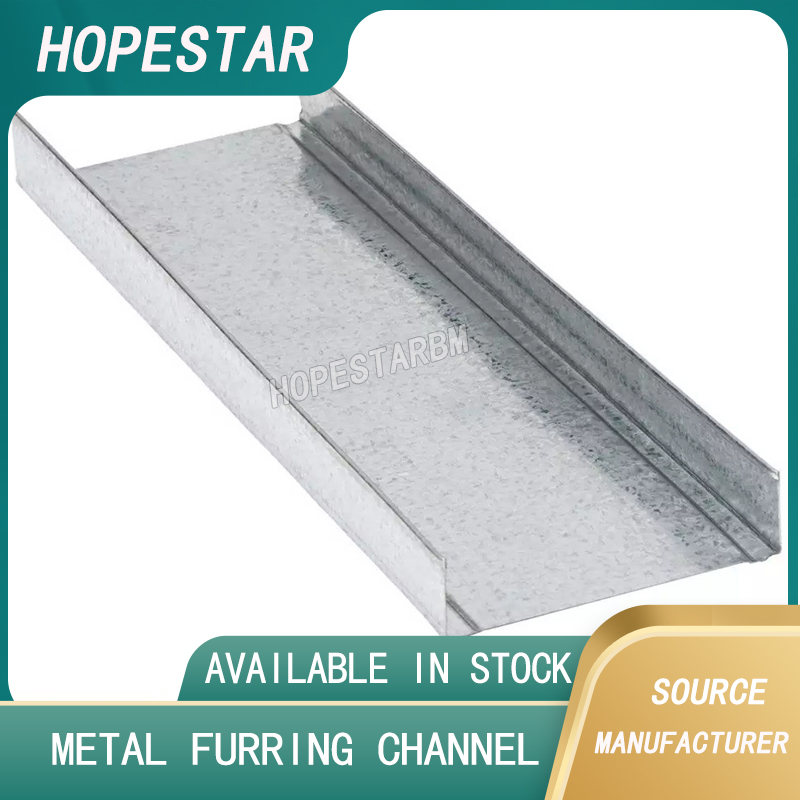
When you are sourcing metal framing for suspended drywall ceilings, hat track ceiling is a top search term for contractors, drywall installers, building material distributors and renovation project owners. Also widely called hat channel, top hat furring channel or hat-shaped furring track, hat track ceiling systems
Hat Track Ceiling: A Complete Guide to Hat Channel Furring Systems for Drywall Ceilings

If you are planning a suspended ceiling renovation or a new commercial construction project, understanding furring ceiling price is one of the most critical steps to control your budget. Furring ceiling systems, mainly built with galvanized steel furring channels, form the supporting framework
Furring Ceiling Price: A Complete Cost Guide for 2026
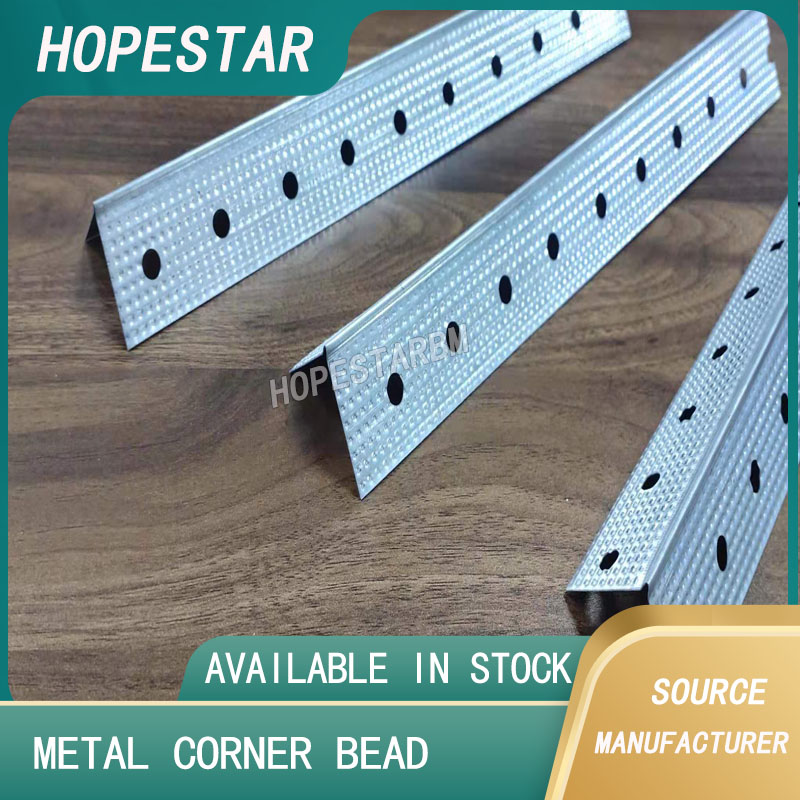
Steel stud track, also widely known as runner or channel, is the horizontal U-shaped component that forms the top and bottom anchor of every cold-formed steel partition wall. While steel studs carry the vertical load and create fixing points for gypsum boards, steel stud track holds
Steel Stud Track: The Foundation of Reliable Drywall Framing for Modern Construction
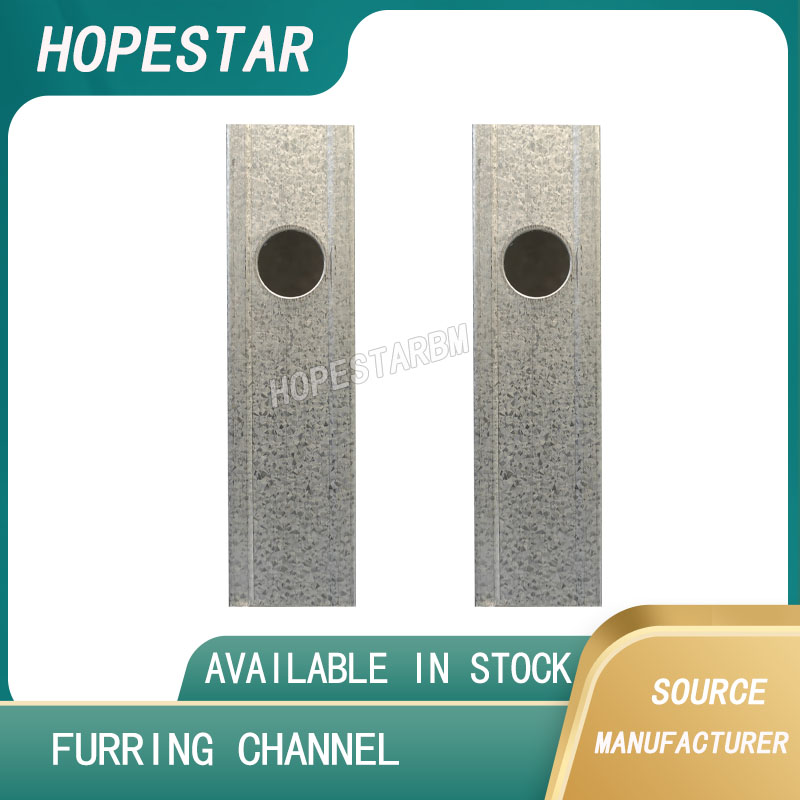
Ceiling wall angle, also known as perimeter angle or L-angle, is an indispensable L-shaped metal profile for suspended drywall ceiling systems. Roll-formed from cold-rolled galvanized steel, ceiling wall angle is fixed along the wall perimeter to support the ends of main channels and furring channels,
Ceiling Wall Angle – Galvanized L-Shaped Perimeter Trim for Suspended Drywall Ceilings