
Z Furring Channel: Key Features, Unique Advantages and Professional Uses
2026-10-09
A Z furring channel is a specialized galvanized steel framing profile defined by its unique Z-shaped cross-section, engineered exclusively for interior wall and ceiling drywall assembly, rigid insulation mounting, and masonry wall retrofitting. Unlike standard hat-shaped drywall furring channels, Z furring channels feature offset dual flanges that deliver one-of-a-kind structural and thermal performance. One flange fastens firmly to solid substrates such as concrete, brick masonry, and structural steel walls, while the opposing outward flange provides a flat, stable mounting base for drywall panels, plaster boards, and decorative wall cladding.
Manufactured from high-grade hot-dip galvanized steel, premium Z furring channels come in multiple standard depth specifications ranging from 3/4 inch to 3 inches. These depth options are purpose-built to accommodate various rigid foam insulation thicknesses, creating a consistent thermal break between building substrates and interior finishes. As a professional-grade framing component, Z furring channels are widely favored in energy-efficient construction, commercial renovations, and high-performance interior finishing projects across global construction markets.
Distinct Core Features of Z Furring Channel
The Z-shaped structural design differentiates Z furring channels from conventional metal furring products, bringing exclusive functional features that solve complex construction and energy-saving problems:
-
Integrated Thermal Break Structure: The most iconic feature of Z furring channels is their offset flange layout, which avoids full surface contact between the steel frame and building substrates. This professional thermal break design effectively blocks thermal bridging, prevents heat transfer through metal components, and significantly improves building envelope energy efficiency — a key advantage that standard C-type and hat furring channels cannot match.
-
Customizable Depth Matching: Available in diverse standard depths (3/4”, 1”, 1.5”, 2”, 3”), Z furring channels can perfectly match all common rigid insulation board sizes. Contractors can select precise channel depths to fully embed insulation materials without compression, ensuring complete and effective thermal coverage for walls and ceilings.
-
High Load-Bearing & Dimensional Stability: The asymmetrical Z-profile structure optimizes mechanical stress distribution, delivering higher rigidity and spanning capacity than ordinary furring strips. With knurled flange surfaces on premium models, the channels offer enhanced screw grip force, preventing drywall sagging, loosening, or deformation under long-term static load.
-
Superior Corrosion & Moisture Resistance: Constructed from hot-dip galvanized steel, Z furring channels feature excellent rust and moisture resistance. They withstand humid indoor environments, temperature fluctuations, and mild corrosive conditions, maintaining stable structural performance and extending the service life of interior wall systems for decades.
-
Lightweight & Interlocking Installability: Despite high strength, Z furring channels remain lightweight for easy transportation and on-site cutting. Their unique profile allows for simple interlocking placement in continuous span installations, forming a seamless, integrated framing grid with no weak connection points.
Exclusive Benefits of Z Furring Channels in Construction
Z furring channels are the preferred choice for professional builders focusing on energy efficiency and structural durability, with unique advantages tailored for masonry and concrete wall finishing:
-
Eliminates Thermal Bridging & Reduces Energy Loss: Traditional metal furring creates continuous thermal bridges that cause heat leakage and condensation. Z furring’s spaced flange design interrupts heat conduction paths, cutting down heating and cooling energy consumption, and helping buildings meet modern energy code and green building certification requirements.
-
Prevents Condensation & Mold Growth: By creating a ventilated, insulated air cavity between concrete/masonry walls and drywall, Z furring channels eliminate moisture accumulation on interior wall surfaces. This effectively prevents condensation, damp spots, and mold proliferation, improving indoor air quality and wall system durability.
-
Simplifies Masonry Wall Finishing: For rough, uneven brick and concrete walls, Z furring channels provide a quick leveling solution without extensive wall chiseling or plastering. They create a perfectly flat mounting plane for drywall, greatly shortening construction cycles and reducing manual finishing costs.
-
Enhances Sound Insulation Performance: The decoupled structure of Z furring channels separates drywall panels from rigid structural substrates. This vibration isolation effect weakens sound wave transmission through walls, effectively improving indoor sound insulation and noise reduction effects for commercial and residential spaces.
-
Long-Term Cost Savings: With zero warping, rotting, or insect infestation risks (common flaws of wood furring) and strong corrosion resistance, Z furring channels require almost no post-installation maintenance. Their stable structural performance avoids later drywall cracking and rework, delivering excellent long-term economic benefits.
Primary Applications of Z Furring Channel
Thanks to their thermal insulation and structural advantages, Z furring channels are mainly applied in energy-saving oriented interior finishing projects, focusing on masonry and concrete wall renovation and new construction:
-
Commercial Building Projects: Office building masonry wall drywall lining, shopping mall interior wall insulation and finishing, hotel guest room wall renovation, school and hospital energy-saving interior retrofits
-
Residential Construction: Apartment concrete wall drywall installation, basement wall insulation finishing, old house wall energy-saving renovation, interior partition wall soundproofing upgrading
-
Special Functional Spaces: Humid area building interior finishing, constant-temperature indoor spaces requiring strict energy control, soundproof studio and meeting room wall systems
-
Industrial Architecture: Warehouse and factory interior wall insulation, steel structure building interior drywall framing, long-span ceiling finishing systems
Professional Installation Guidelines for Z Furring Channels
To maximize the thermal and structural performance of Z furring channels, standardized installation procedures must be followed, which differ from ordinary furring channel construction:
-
Install Z furring channels vertically on concrete or masonry walls, keeping uniform center spacing (16 or 24 inches standard) to ensure balanced load distribution.
-
Select matched channel depth according to insulation board thickness to guarantee full insulation coverage without extrusion gaps.
-
Fasten the inner fixed flange tightly with expansion anchors or self-drilling screws to avoid shaking or offsetting of the frame system.
-
Embed rigid insulation boards in the reserved cavity of Z furring channels before installing drywall panels to form a complete thermal barrier system.
-
Reserve tiny expansion joints between adjacent channels to adapt to temperature changes and prevent structural deformation.
Metal Corner Bead: Functions, Types, Installation and Professional Benefits
Drywall Furring Channel: Benefits, Uses & Installation Guide
Related Article

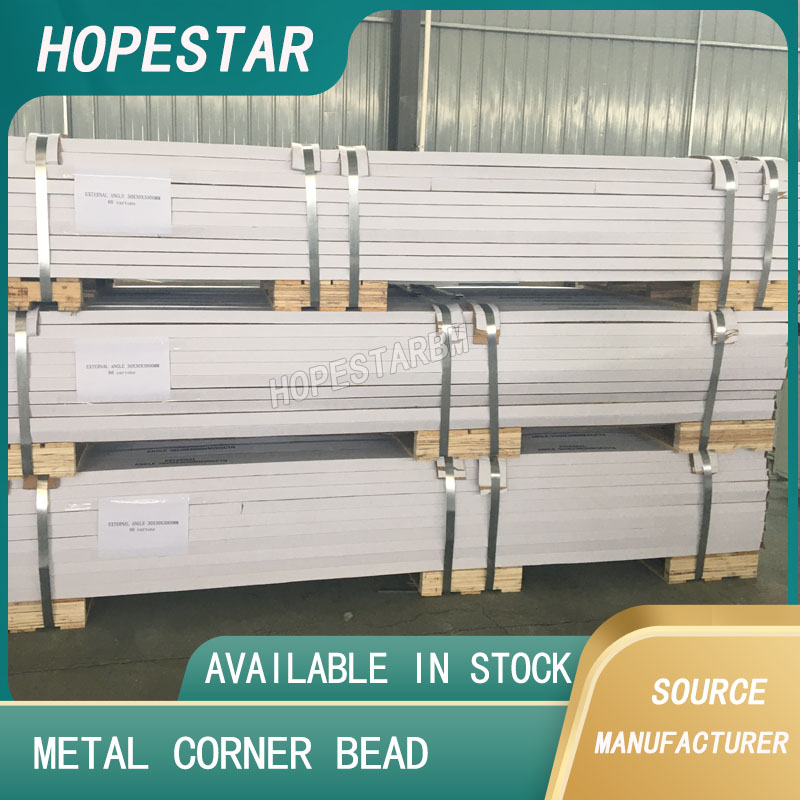
A metal corner bead is a rigid, L-shaped architectural finishing profile specially engineered for drywall, plaster, and stucco exterior corner protection. As an indispensable drywall accessory for interior and exterior construction, it is typically fabricated from hot-dip galvanized steel or lightweight
Metal Corner Bead: Functions, Types, Installation and Professional Benefits
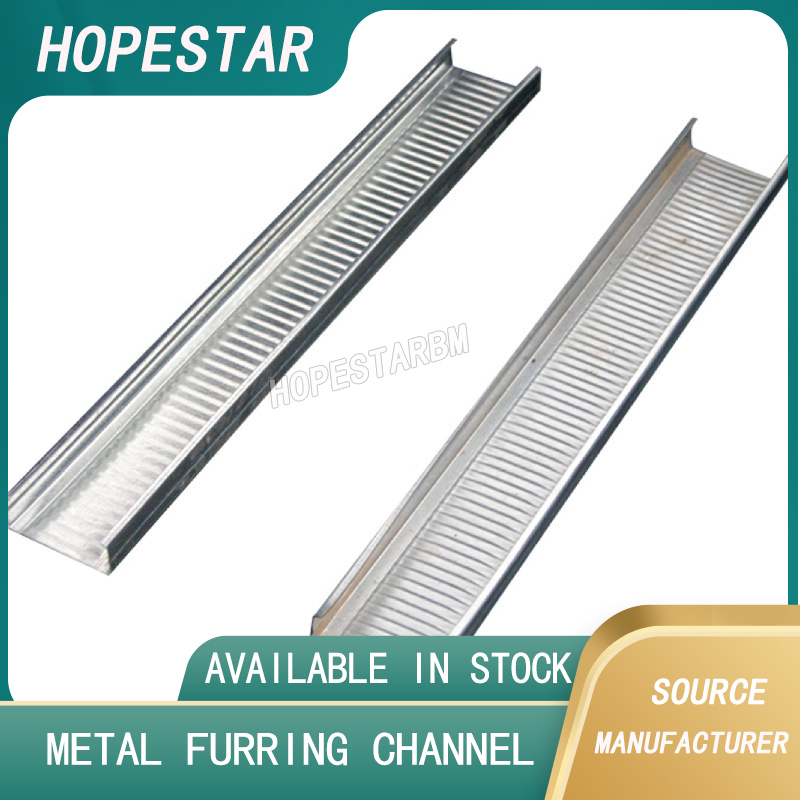
A drywall furring channel is a lightweight, galvanized steel building profile designed specifically for drywall installation in residential, commercial, and industrial construction projects. Also widely known as a hat channel or metal furring strip, this C-shaped or hat-shaped metal framing
Drywall Furring Channel: Benefits, Uses & Installation Guide
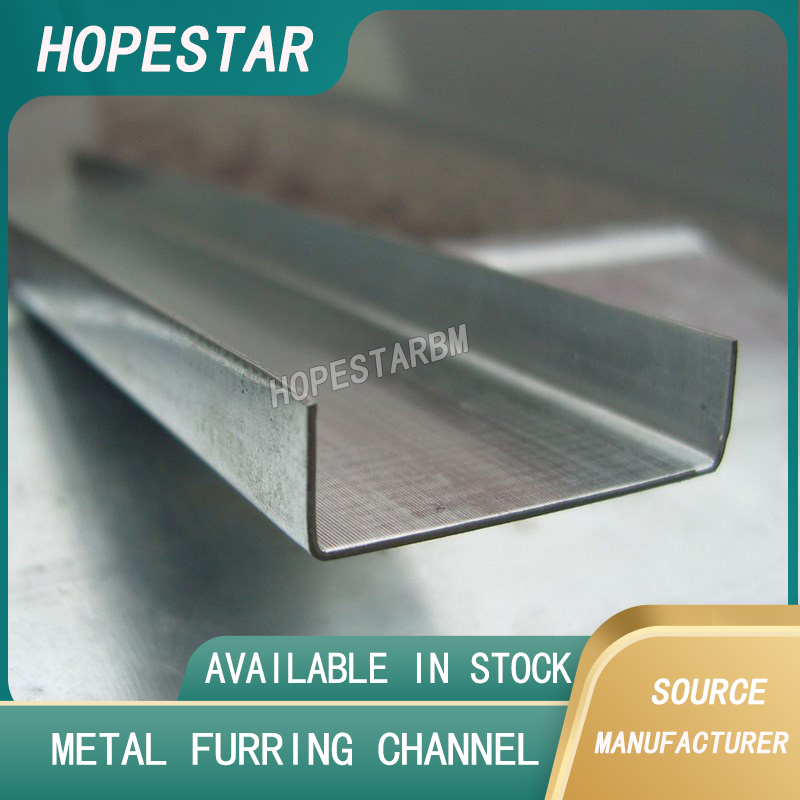
Galvanized studs are cold-formed vertical steel framing members coated with a protective zinc layer, designed to serve as the primary vertical support for drywall partition walls, facade enclosures, and light structural assemblies. Unlike ordinary uncoated steel studs that oxidize rapidly in humid air,
Galvanized Studs: Cold-Formed Studs for Long-Lasting Wall Framing
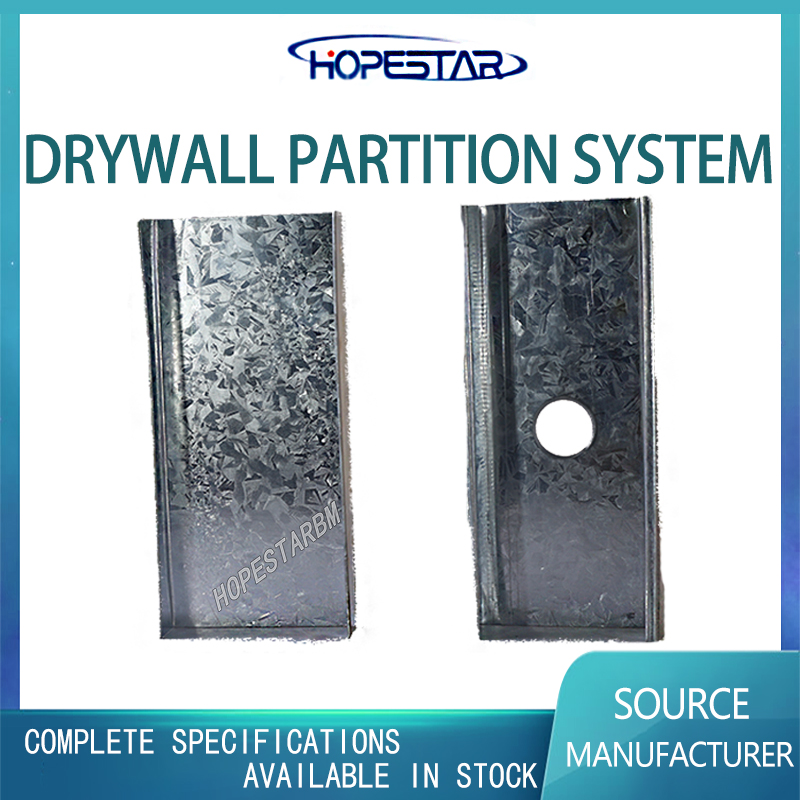
A drywall channel is a dedicated lightweight galvanized steel profile designed exclusively for drywall plasterboard installation, serving as the critical intermediate support layer between building structural substrates and drywall panels. Unlike general structural steel channels that focus on heavy
Drywall Channel: Galvanized Furring & Resilient Channels for Flawless Drywall Finishing & Sound Insulation