Frequently Asked Questions about Furring Channels
1. What is a furring channel?
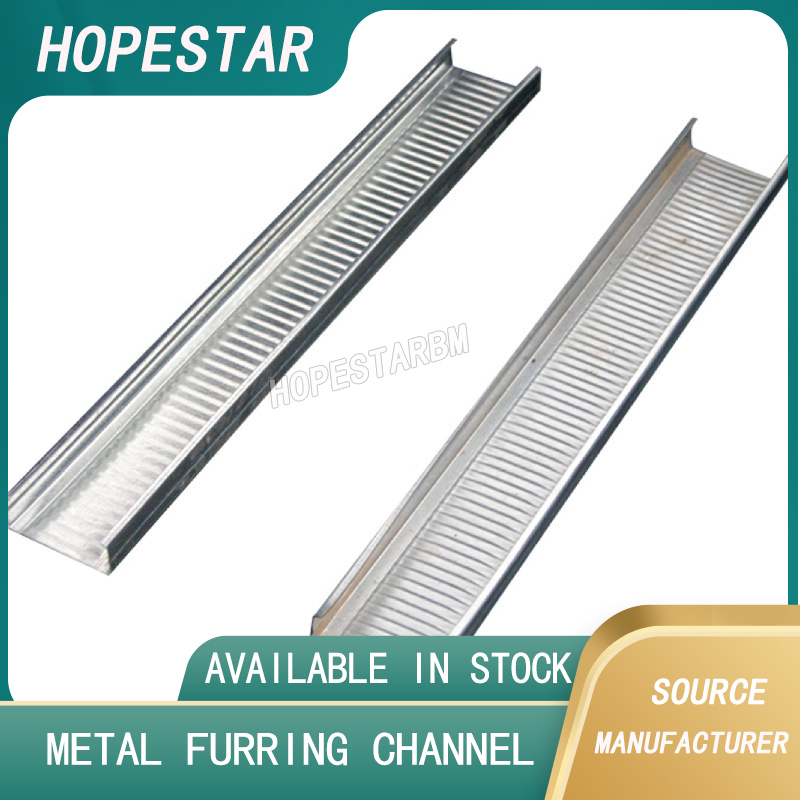
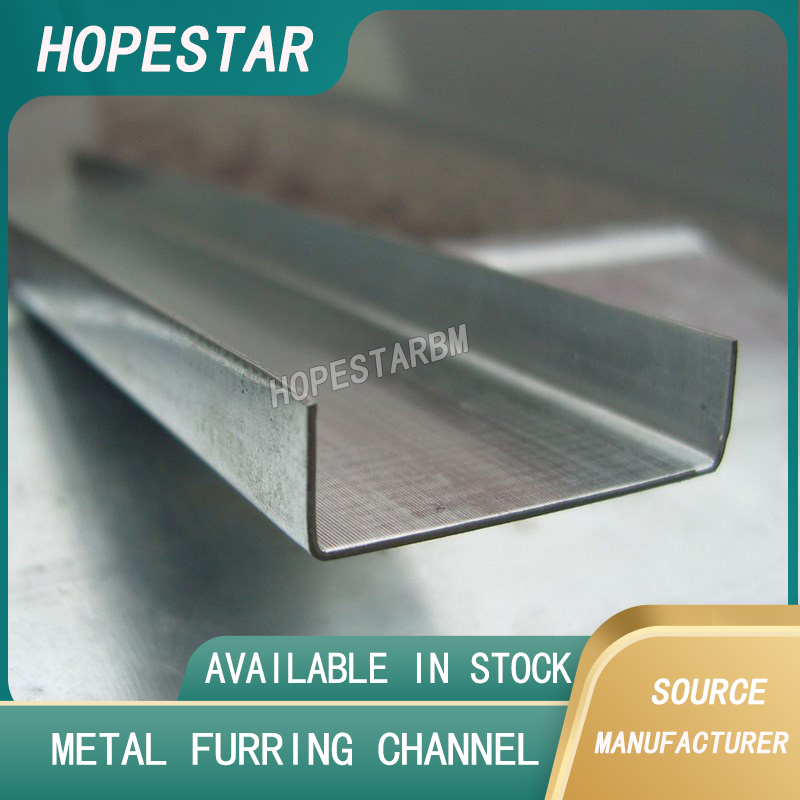
A furring channel is a metal or wooden framework used on walls and ceilings to create a level surface for installing drywall, paneling, or other finishes. It also helps with soundproofing, insulation, and moisture resistance.
2. What are the types of furring channels?
-
Metal furring channels (galvanized steel): Moisture- and fire-resistant, suitable for walls and ceilings in commercial and residential buildings.
-
Wood furring strips: Used for basic wall applications but have lower durability.
-
Resilient furring channels: Designed to reduce sound transmission in walls and ceilings.
3. What are the common sizes of furring channels?
-
Standard widths: 50 mm, 64 mm, or 75 mm.
-
Thickness: 0.5 mm to 1.2 mm, depending on load requirements.
-
Common lengths: 3 m or 4 m, but custom sizes are available.
4. How are furring channels installed?
-
Wall installation:
-
Mark the locations for furring channels (typically 400 mm or 600 mm apart).
-
Attach them to the wall using expansion bolts or self-tapping screws.
-
Install acoustic or thermal insulation if needed.
-
Secure drywall or final finishing panels.
-
-
Ceiling installation:
-
Locate the ceiling framework and attach furring channels perpendicular to the joists.
-
The spacing is usually 400 mm to 600 mm.
-
Ensure the channels are level before installing drywall or ceiling panels.
-
5. What is the recommended spacing for furring channels?
-
For walls: Typically 400 mm or 600 mm.
-
For ceilings: Usually 400 mm, but heavy ceilings may require 300 mm spacing.
6. How to choose the right furring channel?
-
For light finishes (such as standard drywall): 0.5 mm to 0.8 mm thickness is recommended.
-
For heavy finishes (such as acoustic panels or wood paneling): 1.0 mm or thicker is recommended.
-
For humid environments (such as bathrooms or basements): Galvanized rust-resistant material is best.
7. Do furring channels help with soundproofing?
Yes! Resilient furring channels are designed to reduce sound transmission, making them ideal for apartments, recording studios, and theaters. They work even better when combined with soundproofing insulation.
8. Where are furring channels used?
-
Residential construction: Wall leveling, suspended ceiling installation, and soundproof partitions.
-
Commercial buildings: Offices, shopping malls, and hotels for wall and ceiling installations.
-
Industrial facilities: Fire-resistant walls, insulated ceilings, and noise-reduction structures.
9. Can furring channels be installed on concrete walls?
Yes, they can be secured with expansion bolts or concrete nails before attaching drywall or other wall finishes.
What is Hat Channel Metal Furring?
How do you use furring channels?
Related Article