
Drywall Profiles.How to hammer nails into the wall
2022-09-30
Drywall Profiles.How to hammer nails into the wall. Victoria belongs to the western region, and the structure of the wall is completely different from that of China. Most of the walls in China are cement walls, which need to be smashed directly with cement nails, while the walls here are hollow plasterboard (Drywall).
Is to use 2 × 4 or 2 × 6 strips of wood to build a cavity, water pipes, wires are passed through the middle, and then use plasterboard to seal the surface as a wall.
And the plasterboard thickness is only 1 cm thick, so the general nail can not be used, must use screws.
Another thing to note is that Canada has very strict building standards. The construction of a new house requires that the distance between the Stud and Stud behind the wall must be 16 inches or 24 inches (click here for details). The purpose is to ensure that the strips have a balanced support for the floor or roof.
Knowing that these two data are the basis for hammering nails into the wall, the most effective way is to go to HomeDepot or Costco to buy an in-wall detector (Stud Finder) with a price between 20 and 40, which is absolutely a very necessary investment to break the wall. It is definitely more time-consuming and laborious to finish painting than to hammer in a nail at a time. Remember: the wood at the back of the plasterboard is about 5 centimeters (2 inches) wide. If you find it, screw it in and everything will be fine.
What if there is no Stud in the place where the nail is to be hammered? Never take screws to deal with, otherwise once the screws fall off, it will cause a large hole in the plasterboard, which is very ugly, and there will be water vapor in the future. Be sure to use wall anchors (Drywall Anchor), which are sold in HomeDepot,Canadian Tire and even dollar stores (Dollar Store,Dollaramat), with all kinds of matching:
First hit a corresponding size hole with a drill (be very careful not to use the drill too fast, if you feel that there is a hard object in the back immediately retract, the back may be a water pipe or electric pipe, the damage, the consequence is far from mending the wall). Then match the corresponding screws.
Finally, I repeat that hammering nails is far more important than mending walls. Hanging a picture, towel rack, bookshelf and so on is also much more important to the beauty of the room.
Is to use 2 × 4 or 2 × 6 strips of wood to build a cavity, water pipes, wires are passed through the middle, and then use plasterboard to seal the surface as a wall.
And the plasterboard thickness is only 1 cm thick, so the general nail can not be used, must use screws.
Another thing to note is that Canada has very strict building standards. The construction of a new house requires that the distance between the Stud and Stud behind the wall must be 16 inches or 24 inches (click here for details). The purpose is to ensure that the strips have a balanced support for the floor or roof.
Knowing that these two data are the basis for hammering nails into the wall, the most effective way is to go to HomeDepot or Costco to buy an in-wall detector (Stud Finder) with a price between 20 and 40, which is absolutely a very necessary investment to break the wall. It is definitely more time-consuming and laborious to finish painting than to hammer in a nail at a time. Remember: the wood at the back of the plasterboard is about 5 centimeters (2 inches) wide. If you find it, screw it in and everything will be fine.
What if there is no Stud in the place where the nail is to be hammered? Never take screws to deal with, otherwise once the screws fall off, it will cause a large hole in the plasterboard, which is very ugly, and there will be water vapor in the future. Be sure to use wall anchors (Drywall Anchor), which are sold in HomeDepot,Canadian Tire and even dollar stores (Dollar Store,Dollaramat), with all kinds of matching:
First hit a corresponding size hole with a drill (be very careful not to use the drill too fast, if you feel that there is a hard object in the back immediately retract, the back may be a water pipe or electric pipe, the damage, the consequence is far from mending the wall). Then match the corresponding screws.
Finally, I repeat that hammering nails is far more important than mending walls. Hanging a picture, towel rack, bookshelf and so on is also much more important to the beauty of the room.
Metal Profile Meaning.France monopolizes metal materials
What Is Furring Channel Used For.Leather processing chemicals
Related Article

Ceiling wall angle, also known as perimeter angle or L-angle, is an indispensable L-shaped metal profile for suspended drywall ceiling systems. Roll-formed from cold-rolled galvanized steel, ceiling wall angle is fixed along the wall perimeter to support the ends of main channels and furring channels,
Ceiling Wall Angle – Galvanized L-Shaped Perimeter Trim for Suspended Drywall Ceilings
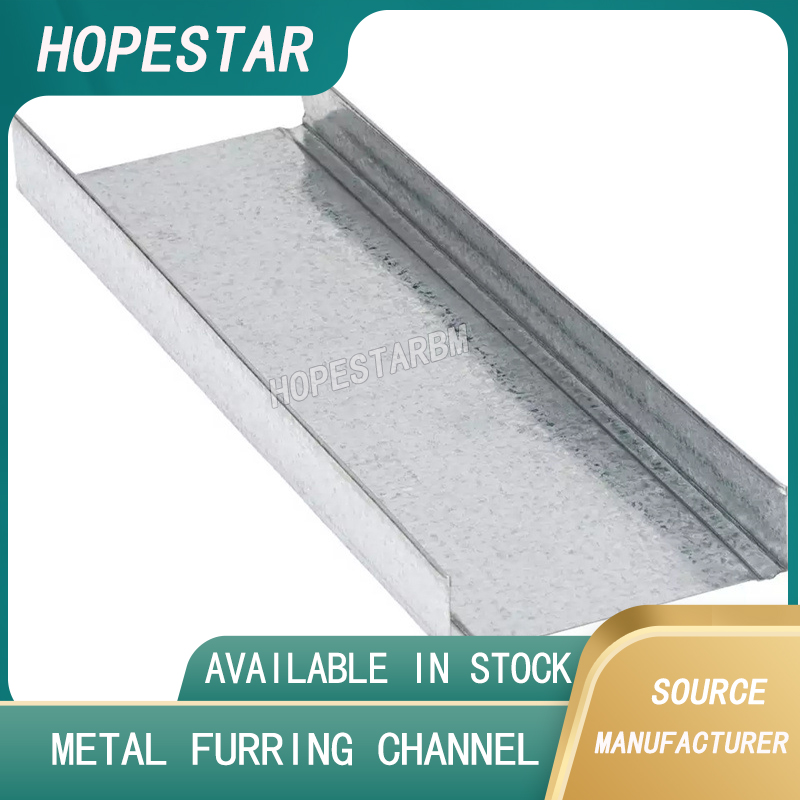
Galvanized steel profiles are the foundational metal framing components widely used in modern interior construction. Roll-formed from cold-rolled steel coated with protective zinc layer, galvanized steel profiles cover a full range of shapes including C studs, U tracks, omega channels,
Galvanized Steel Profiles – Reliable Cold Rolled Framing for Drywall Walls and Ceilings

Metal furring channel for ceiling is a vital secondary framing component widely used in suspended ceiling and drywall ceiling systems. Roll-formed from cold-rolled galvanized steel, this lightweight metal profile works together with main channels, hangers and wall angles to create a level,
Metal Furring Channel for Ceiling – Galvanized Secondary Framing for Suspended Drywall Ceilings

Metal omega channel, also widely called omega furring channel or hat channel, is an indispensable secondary metal framing profile for modern suspended ceilings and drywall wall furring systems. Named after its distinctive Ω shape, this profile is roll-formed from cold-rolled galvanized steel
Metal Omega Channel – Galvanized Omega Furring Channel for Drywall Ceiling and Wall Framing