
Profile Aluminum: Key Advantages, Applications and Complete Guide
2026-09-01
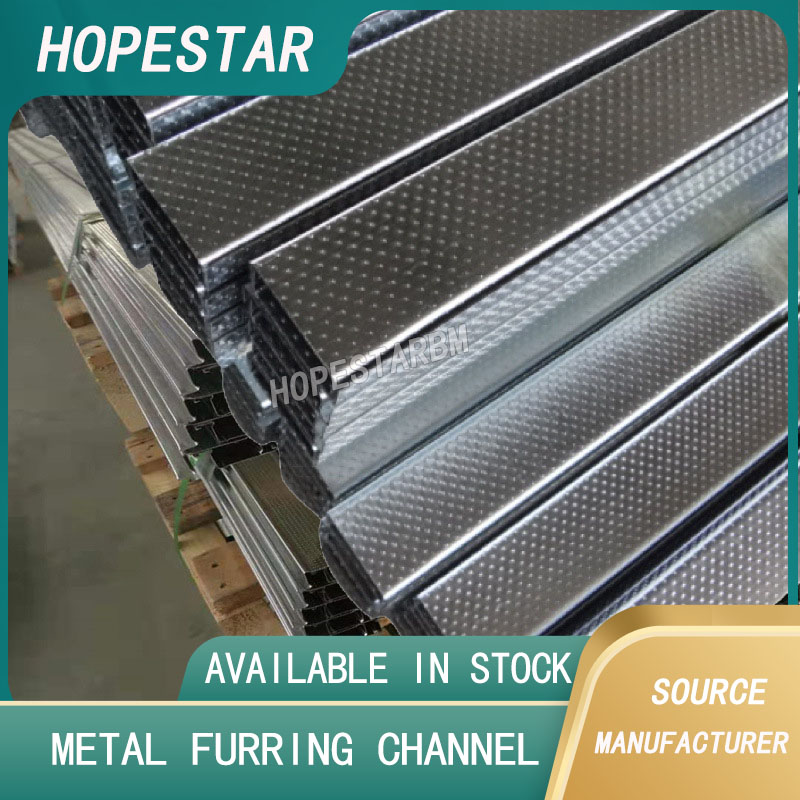
Profile aluminum, also widely known as aluminum extrusion profile, is one of the most practical and high-performance metal materials in modern architectural decoration, industrial manufacturing and engineering construction. Formed through professional high-temperature extrusion and surface treatment processes, profile aluminum features a customizable cross-sectional structure, outstanding mechanical properties and excellent environmental adaptability. Thanks to its unique combination of lightweight design, high strength, corrosion resistance and flexible molding, profile aluminum has become a preferred material for architects, engineers, manufacturers and construction contractors worldwide, covering countless residential, commercial, industrial and renewable energy projects.
The most competitive advantage of profile aluminum is its superior strength-to-weight ratio. Compared with traditional steel, iron and copper materials, profile aluminum is nearly 70% lighter while maintaining stable structural rigidity and load-bearing capacity. This lightweight characteristic greatly reduces overall building and equipment weight, lowers foundation load requirements, simplifies transportation and on-site installation, and effectively cuts construction and labor costs. Whether used for building facade structures or industrial equipment frames, profile aluminum delivers reliable structural performance without redundant weight burden.
Excellent corrosion resistance and long service life make profile aluminum suitable for all indoor and outdoor harsh environments. High-quality profile aluminum forms a dense natural oxide film on its surface, which can effectively isolate air, moisture and corrosive substances. With advanced anodizing, powder coating and electrophoretic treatment technologies, profile aluminum further enhances anti-rust, anti-oxidation and weather resistance. It can stably resist ultraviolet radiation, rain erosion and humid saline-alkali environments in coastal areas, maintaining intact appearance and structural performance for 30–50 years, far exceeding the service life of ordinary metal materials.
Rich customization and flexible design are the core highlights ofprofile aluminum. The extrusion process supports personalized production of various complex cross-sectional shapes, sizes and structural specifications. Profile aluminum can be freely cut, bent, welded and assembled to meet diverse design needs from simple linear frames to complex curved and special-shaped structures. Meanwhile, it offers diverse surface finishes including matte, glossy, metallic, wood grain and stone grain, perfectly matching modern minimalist, luxury, industrial and retro architectural styles, taking into account both structural practicality and decorative aesthetics.
Energy-saving, environmentally friendly and high thermal insulation performance further improves the application value of profile aluminum. As a 100% recyclable green building material, profile aluminum produces almost no waste during processing and construction, and can be reused and regenerated after scrapping, conforming to global low-carbon and green development concepts. Equipped with thermal break structures, insulated profile aluminum effectively blocks heat conduction, reduces indoor and outdoor temperature exchange, lowers air conditioning and heating energy consumption, and helps buildings reach energy-saving and environmental protection certification standards.
Profile aluminum boasts extremely wide application scenarios, covering multiple industries and fields. In the construction industry, it is widely used in energy-saving door and window frames, curtain wall facades, wall cladding, ceiling grids, interior partition frames, balcony railings and decorative trims. In industrial manufacturing, it serves as modular equipment frames, assembly line workstations, conveyor brackets and mechanical protective frames. In emerging fields, profile aluminum is an essential material for solar panel mounting systems, new energy equipment brackets, automotive lightweight parts and exhibition booth frames.
In conclusion, profile aluminum is a multi-functional, high-performance and cost-effective metal profile material that integrates light weight, high strength, durability, beauty and environmental protection. It solves many pain points of traditional building and industrial materials, such as heavy weight, easy corrosion, single style and short service life. With the continuous upgrading of construction technology and industrial manufacturing, profile aluminum will maintain its dominant position in modern engineering and become an indispensable core material for high-quality construction and intelligent manufacturing.
Steel Roof Truss
Light Steel Frame
Related Article

Ceiling wall angle, also known as perimeter angle or L-angle, is an indispensable L-shaped metal profile for suspended drywall ceiling systems. Roll-formed from cold-rolled galvanized steel, ceiling wall angle is fixed along the wall perimeter to support the ends of main channels and furring channels,
Ceiling Wall Angle – Galvanized L-Shaped Perimeter Trim for Suspended Drywall Ceilings
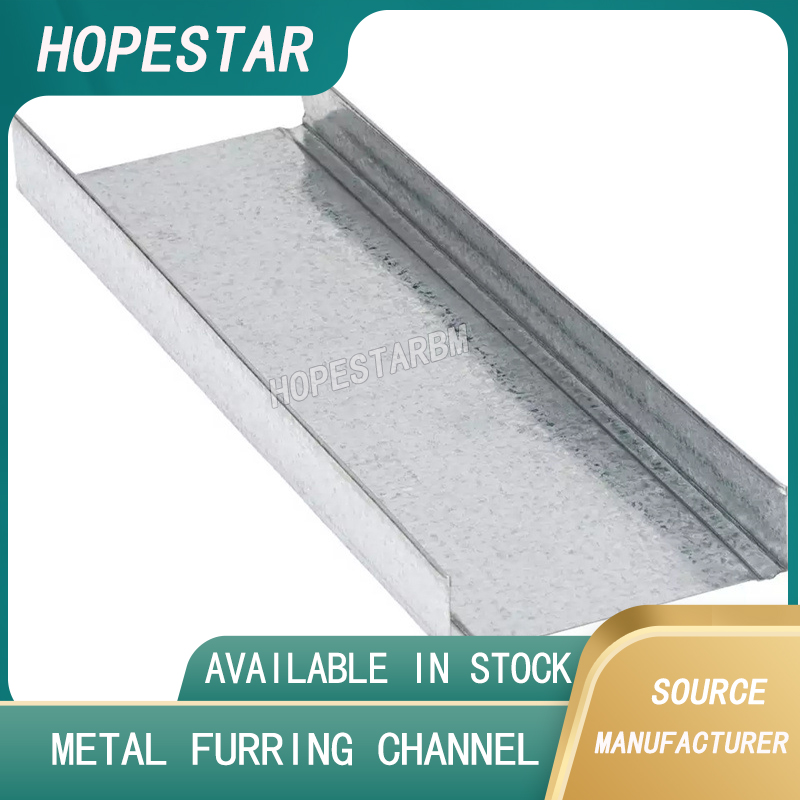
Galvanized steel profiles are the foundational metal framing components widely used in modern interior construction. Roll-formed from cold-rolled steel coated with protective zinc layer, galvanized steel profiles cover a full range of shapes including C studs, U tracks, omega channels,
Galvanized Steel Profiles – Reliable Cold Rolled Framing for Drywall Walls and Ceilings

Metal furring channel for ceiling is a vital secondary framing component widely used in suspended ceiling and drywall ceiling systems. Roll-formed from cold-rolled galvanized steel, this lightweight metal profile works together with main channels, hangers and wall angles to create a level,
Metal Furring Channel for Ceiling – Galvanized Secondary Framing for Suspended Drywall Ceilings

Metal omega channel, also widely called omega furring channel or hat channel, is an indispensable secondary metal framing profile for modern suspended ceilings and drywall wall furring systems. Named after its distinctive Ω shape, this profile is roll-formed from cold-rolled galvanized steel
Metal Omega Channel – Galvanized Omega Furring Channel for Drywall Ceiling and Wall Framing