
Steel Roof Truss
2026-09-01
In modern residential, commercial, and industrial construction, thesteel roof truss has become the most reliable and cost-effective structural system for roof framing. Engineered with stable triangular steel frameworks, a steel roof truss distributes roof loads evenly through tension and compression forces, delivering exceptional structural stability that traditional wooden and concrete roof structures cannot match. Thanks to its high strength-to-weight ratio, long-span capability, fast installation, and long service life, steel roof truss is widely adopted by architects, builders, and contractors for all types of new builds, renovations, and large-scale venue construction projects.
The biggest advantage of a steel roof truss is its outstanding structural performance with lightweight design. Manufactured from high-quality galvanized steel or coated steel components, the steel roof truss features a lighter self-weight while maintaining superior rigidity and load-bearing capacity. It effectively reduces the overall dead load of the building, lowers foundation pressure, and saves foundation construction costs. Most importantly, steel roof truss supports ultra-long clear spans without intermediate columns, creating spacious, column-free interior spaces ideal for warehouses, workshops, exhibition halls, sports venues, and large commercial buildings.
Superior durability and extreme environmental adaptability make steel roof truss a long-term investment for construction projects. Different from wood trusses that suffer from rot, termite infestation, mold, and deformation, steel roof truss is completely resistant to pests, moisture, and seasonal climate changes. With professional hot-dip galvanizing or powder coating treatment, it achieves excellent rust-proof, corrosion-resistant, and weather-resistant performance. It can withstand strong winds, heavy snow loads, earthquakes, and high-temperature environments, maintaining stable structural performance for 50 to 70 years with minimal maintenance required.
Fire safety and stable structural security are core strengths of steel roof truss. As a non-combustible building material, steel roof truss completely avoids fire hazards caused by flammable wooden roof structures, fully complying with international building fire protection standards. Its standardized triangular mechanical structure disperses external pressure evenly, effectively preventing local deformation and overall collapse under extreme weather or accidental loads. This reliable safety performance makes steel roof truss the preferred choice for public buildings, industrial plants, and high-standard residential projects with strict safety requirements.
Factory prefabrication and high construction efficiency greatly optimize project cycles for steel roof truss. All steel roof truss components are precisely prefabricated and calibrated in factories with unified specifications and accurate dimensions. On-site construction only requires assembly and fixing, eliminating complex processes such as on-site concrete pouring, formwork maintenance, and wood cutting. This modular construction method shortens the roof construction period by more than 50%, greatly reduces on-site labor costs, and effectively avoids construction errors caused by manual operation, ensuring consistent project quality.
Flexible design and wide applicability further enhance the value of steel roof truss. The structure can be customized into pitched, flat, arched, and special-shaped roof trusses according to architectural design requirements. It perfectly matches various roof styles and can flexibly reserve positions for skylights, ventilation systems, lighting equipment, and thermal insulation layers. Versatile in application, steel roof truss covers residential villas, apartments, rural self-built houses, office buildings, shopping malls, logistics warehouses, factory workshops, gymnasiums, and outdoor exhibition facilities, meeting diverse roof structure needs of all construction scenarios.
In terms of environmental protection and economic benefits, steel roof truss is a typical green building structure. All steel materials are 100% recyclable and reusable, producing almost no construction waste during installation and demolition, which conforms to global low-carbon and sustainable development trends. Although the initial investment is slightly higher than traditional structures, steel roof truss requires no frequent repair and replacement in the later stage, greatly reducing long-term operation and maintenance costs, and delivering higher comprehensive economic benefits for construction projects.
To sum up, steel roof truss is a high-performance roof structural system that integrates high strength, safety, durability, efficiency, and environmental protection. It overcomes the multiple defects of traditional roof structures and has become an indispensable core structure in modern construction. With the continuous development of prefabricated architecture, steel roof truss will further replace traditional roof systems and lead the future trend of roof engineering construction.
Metal Furring Channel: Benefits, Applications and Installation Guide
Profile Aluminum: Key Advantages, Applications and Complete Guide
Related Article

Ceiling wall angle, also known as perimeter angle or L-angle, is an indispensable L-shaped metal profile for suspended drywall ceiling systems. Roll-formed from cold-rolled galvanized steel, ceiling wall angle is fixed along the wall perimeter to support the ends of main channels and furring channels,
Ceiling Wall Angle – Galvanized L-Shaped Perimeter Trim for Suspended Drywall Ceilings
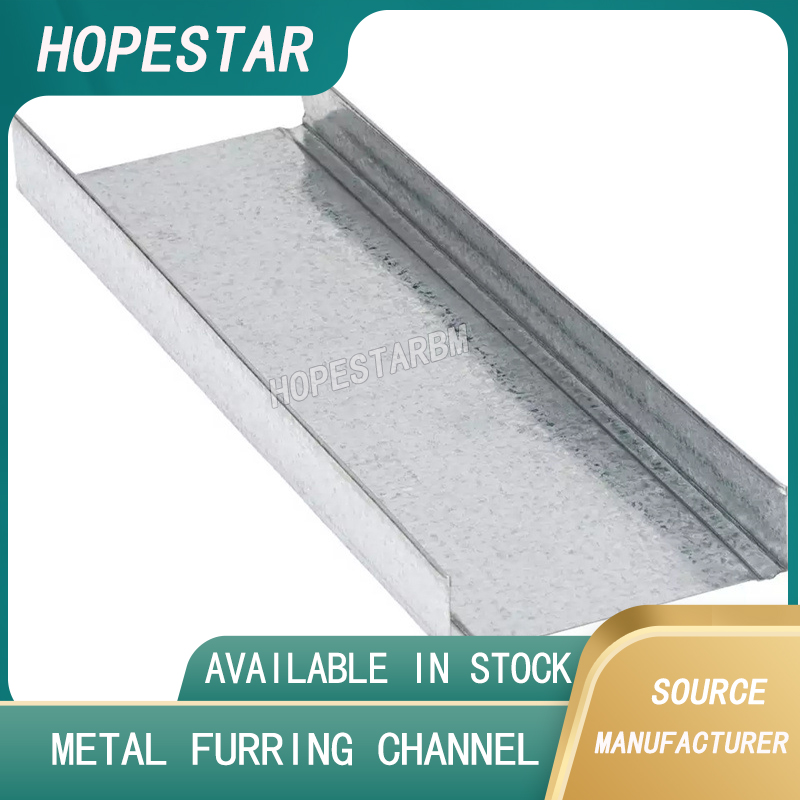
Galvanized steel profiles are the foundational metal framing components widely used in modern interior construction. Roll-formed from cold-rolled steel coated with protective zinc layer, galvanized steel profiles cover a full range of shapes including C studs, U tracks, omega channels,
Galvanized Steel Profiles – Reliable Cold Rolled Framing for Drywall Walls and Ceilings

Metal furring channel for ceiling is a vital secondary framing component widely used in suspended ceiling and drywall ceiling systems. Roll-formed from cold-rolled galvanized steel, this lightweight metal profile works together with main channels, hangers and wall angles to create a level,
Metal Furring Channel for Ceiling – Galvanized Secondary Framing for Suspended Drywall Ceilings

Metal omega channel, also widely called omega furring channel or hat channel, is an indispensable secondary metal framing profile for modern suspended ceilings and drywall wall furring systems. Named after its distinctive Ω shape, this profile is roll-formed from cold-rolled galvanized steel
Metal Omega Channel – Galvanized Omega Furring Channel for Drywall Ceiling and Wall Framing