Common Metal Furring Sizes for Ceiling
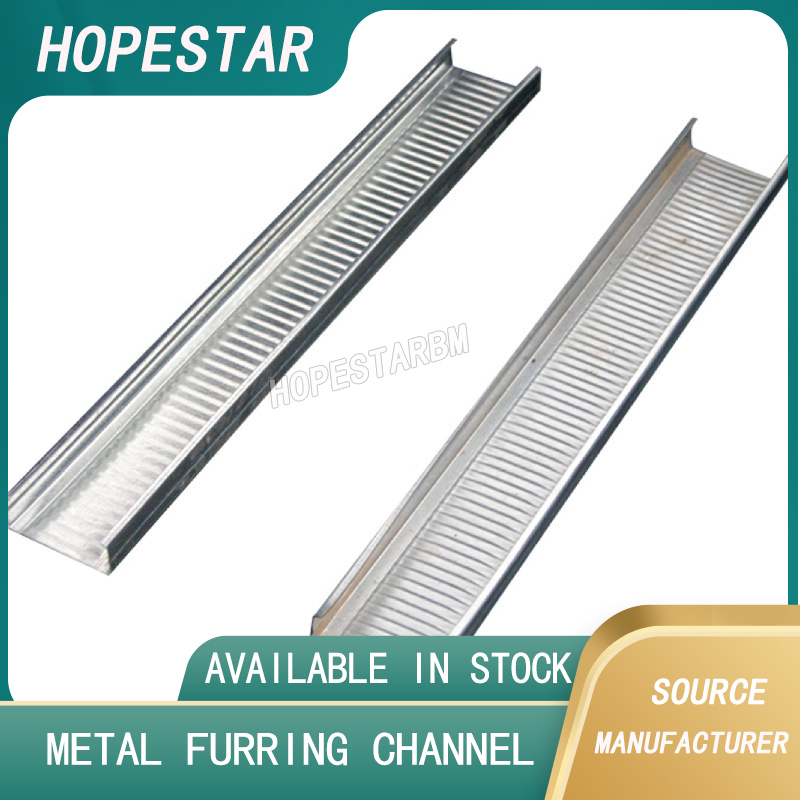
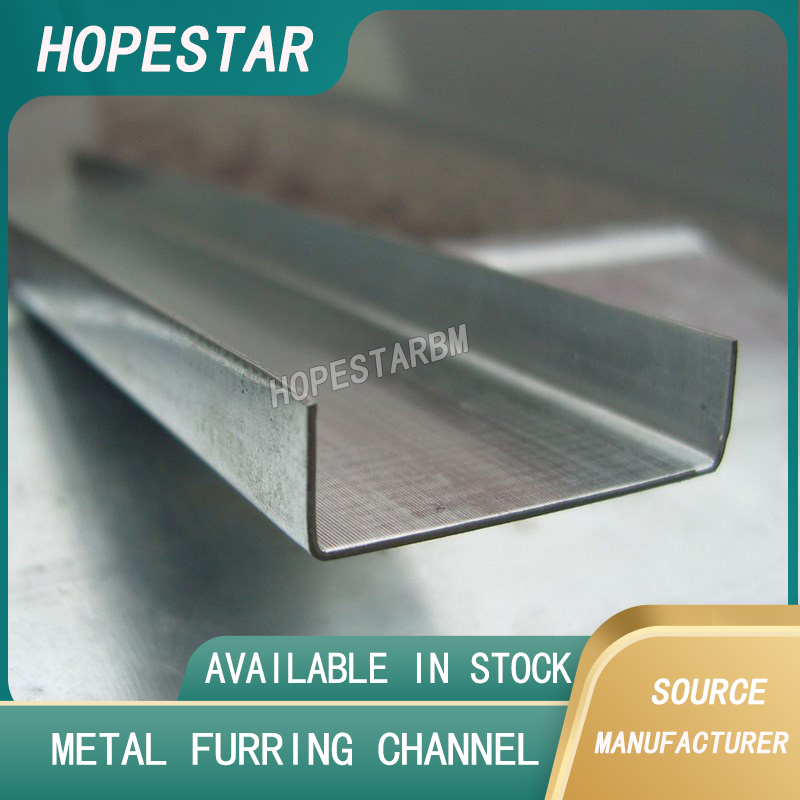
There are different types of metal furring channels used for ceilings, each with specific dimensions based on load-bearing needs, ceiling height, and type of board installed. Here are the common furring sizes:
-
C-Channel (Main Channel) Sizes:
-
Width: 38mm to 50mm (1.5" to 2")
-
Height: 10mm to 15mm
-
Thickness: 0.4mm to 1.2mm
-
Length: 3.0m to 4.0m
-
-
Furring Runner Sizes (Carrying Channel):
-
Width: 68mm to 89mm
-
Height: 19mm to 38mm
-
Thickness: 0.6mm to 1.2mm
-
Length: Custom lengths (standard: 3.0m)
-
-
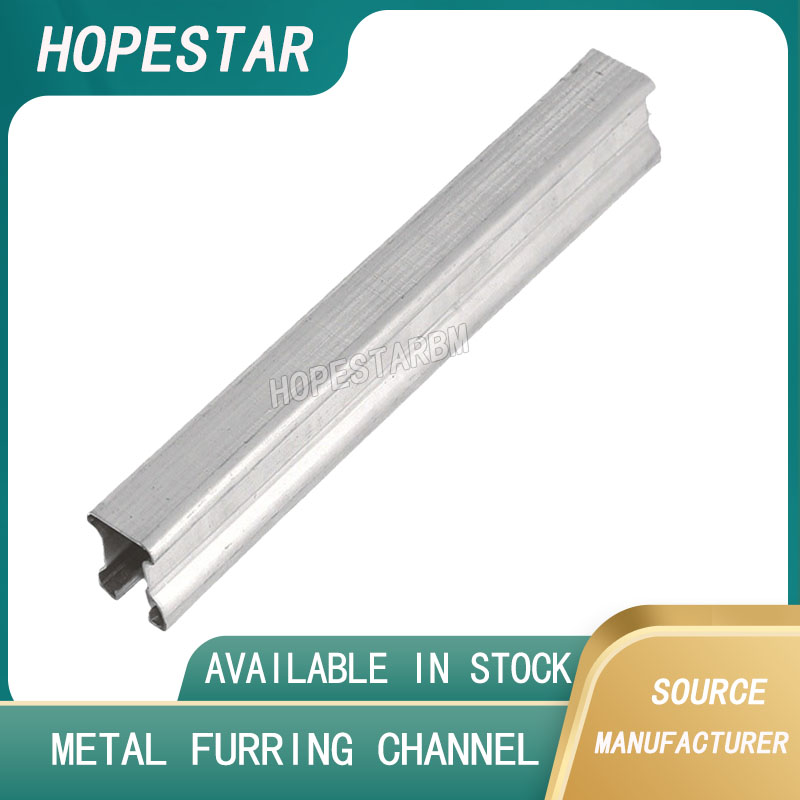
Cross Furring Channel (Furring Tee):
-
Width: 16mm to 25mm
-
Thickness: 0.45mm to 0.6mm
-
Used to interlock with the main channel or attached perpendicular.
-
-
Wall Angle Sizes:
-
Width: 25mm x 25mm
-
Thickness: 0.4mm to 0.6mm
-
Serves as perimeter support.
-
These metal profiles are often manufactured according to ASTM C645 or BS EN 14195 standards, ensuring strength, durability, and corrosion resistance.
Choosing the Right Size of Metal Furring for Your Ceiling
The right size of metal furring channel depends on several factors:
-
Ceiling Span: Larger spans require thicker or wider channels to prevent sagging.
-
Ceiling Load: Heavier finishes like acoustic panels or double gypsum boards need stronger furring.
-
Environmental Conditions: In humid areas, use galvanized steel furring with adequate thickness to avoid rust.
-
Installation Design: Some ceilings use a single-layer furring system; others require a double-layer system, affecting the type and size of channels needed.
Proper sizing not only ensures structural integrity but also simplifies installation and improves finish quality.
Benefits of Standardized Metal Furring Sizes
Using standardized metal furring sizes for ceilings offers multiple advantages:
-
Ease of Installation: Standard sizes fit common ceiling board dimensions (e.g., 600x600mm tiles or 1200x2400mm gypsum boards).
-
Material Optimization: Minimizes cutting and waste, reducing labor time and cost.
-
Compatibility: Works seamlessly with ceiling accessories, such as hangers, clips, and screws.
-
Load Uniformity: Distributes ceiling weight evenly, enhancing safety and lifespan.
Applications of Metal Furring Channels in Ceilings
Metal furring systems are widely used in:
-
Suspended Ceilings: For offices, malls, hospitals, and schools where drop ceilings are needed.
-
Gypsum Ceilings: Common in homes and apartments for smooth finishes.
-
Acoustic Ceilings: Ideal for theaters or studios where soundproofing is essential.
-
Concealed Frameworks: To hide HVAC ducts, piping, and wiring.
Carrying Channel and Metal Furring
Metal Furring Sizes for Ceiling
Related Article