Metal Furring Sizes: Common Dimensions and Their Applications
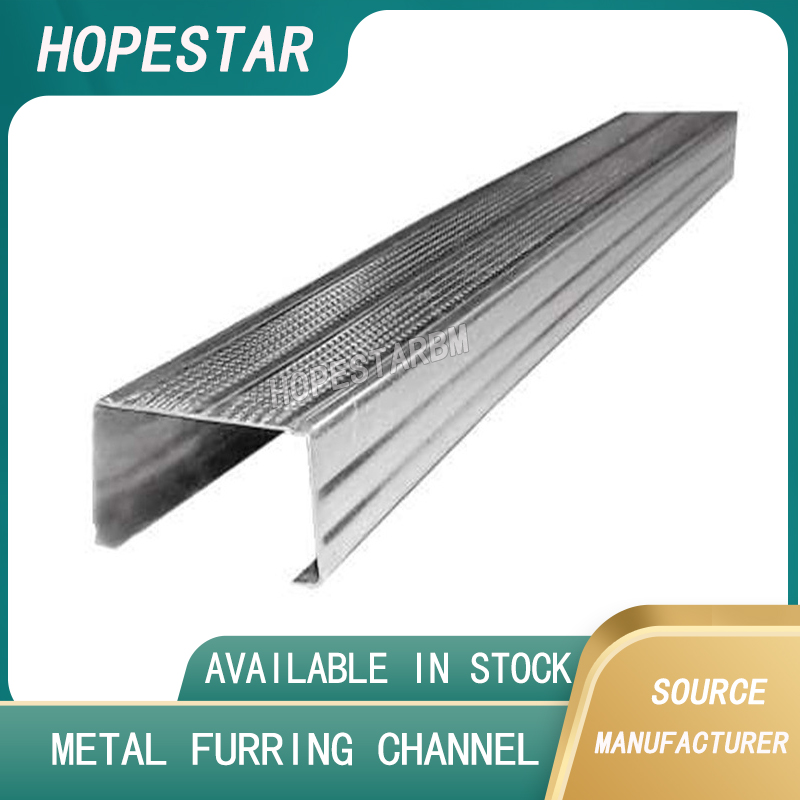
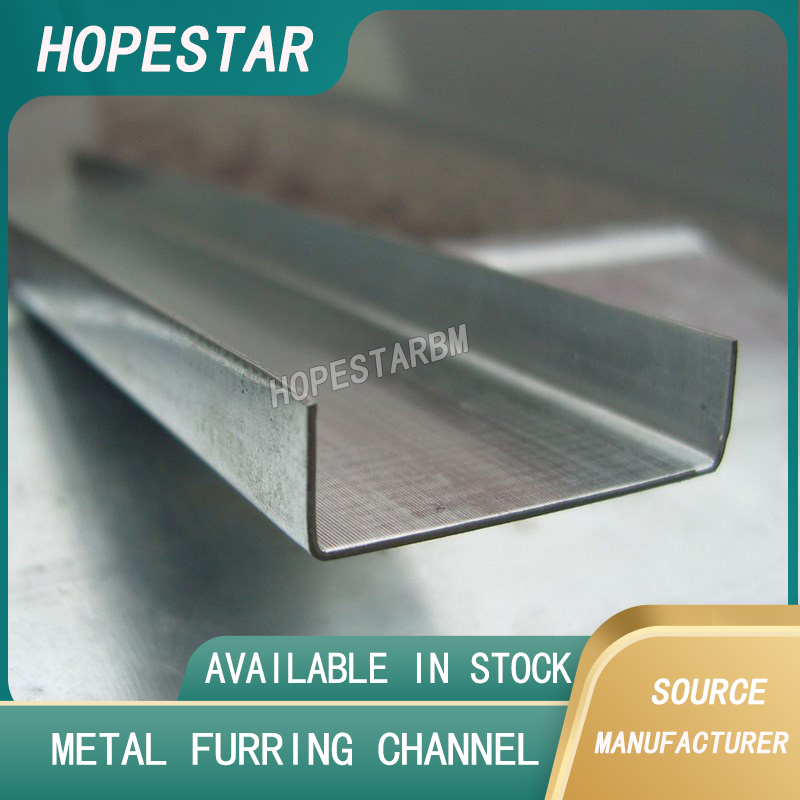
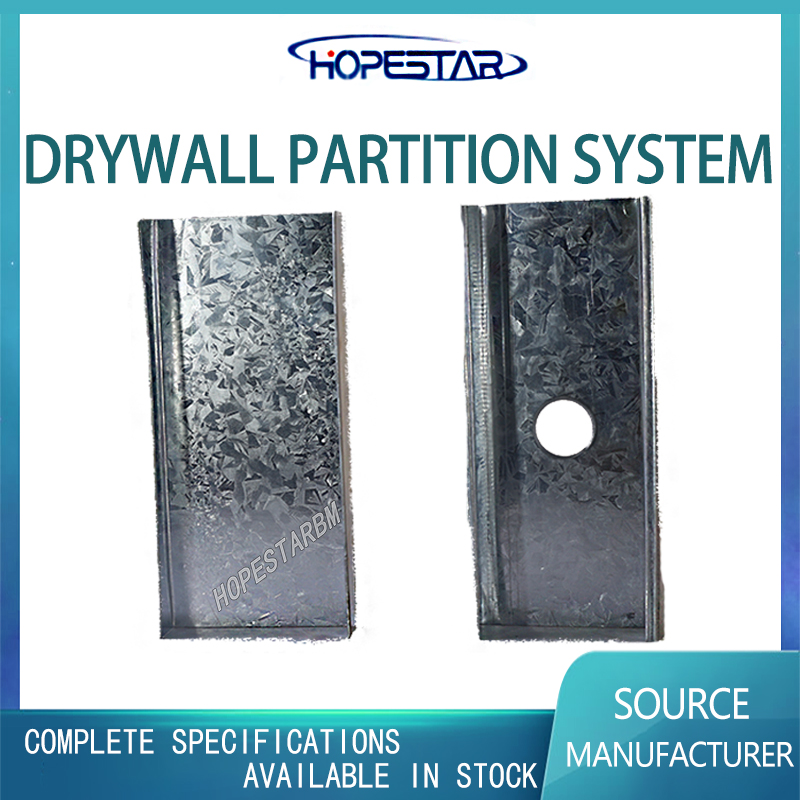
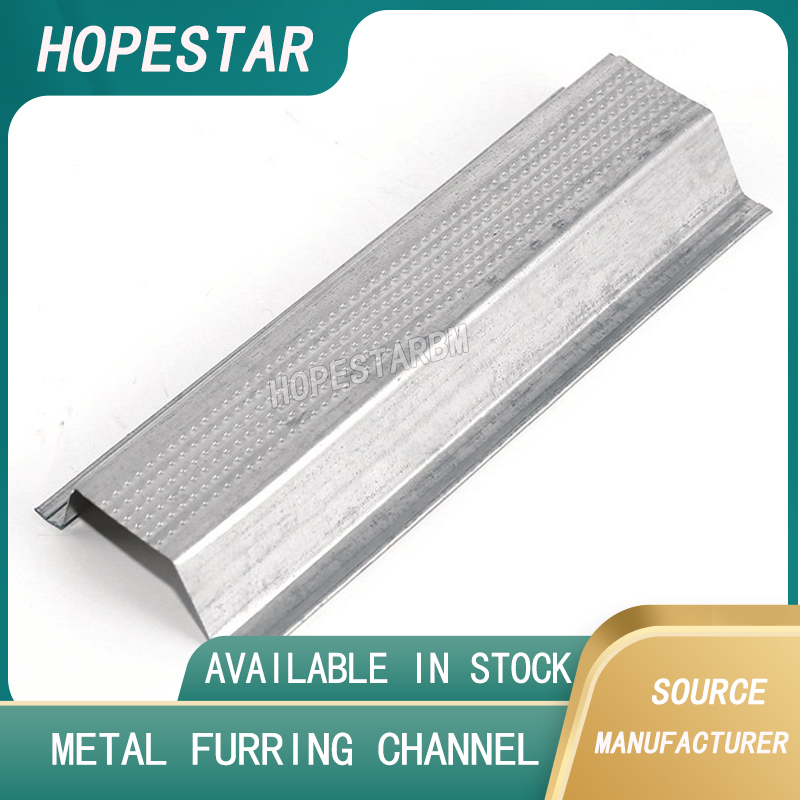
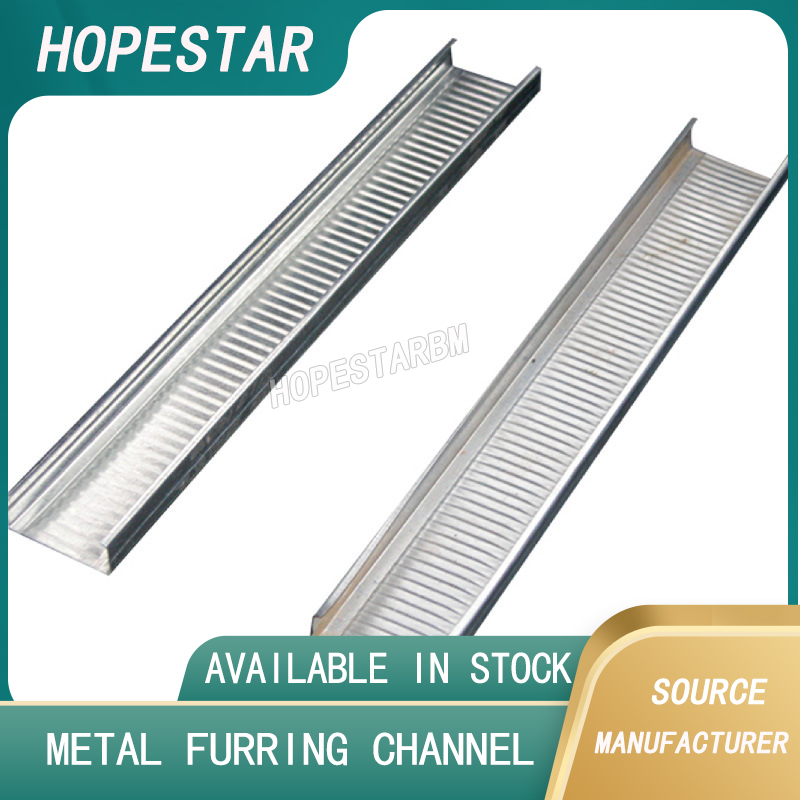
Metal furring sizes refer to the standard dimensions of furring channels used in wall and ceiling framing systems. These channels are typically made from galvanized steel and come in different widths, depths, and thicknesses to meet the structural needs of various projects. Choosing the right size is essential for ensuring load-bearing capacity, sound insulation performance, and overall stability of the drywall or ceiling system.
The most common metal furring sizes include profiles such as 16mm, 22mm, 25mm, 28mm, 30mm, 38mm, 45mm, and 50mm, depending on regional standards like Australian Rondo systems, American drywall framing, or Middle East construction specifications. Smaller sizes (like 16–28 mm) are typically used for lightweight ceiling batten systems, while larger sizes (38–50 mm) are preferred for high ceilings, heavy-duty wall systems, or acoustic room installations.
Thickness options also vary, commonly ranging from 0.35mm to 0.75mm, offering different levels of strength and rigidity. Thicker furring channels are often used in commercial buildings, fire-rated partitions, or areas requiring enhanced durability.
Selecting the correct metal furring size ensures proper alignment, reduces the risk of cracking, and delivers a smoother finish for plasterboard or ceiling tiles. It also improves installation efficiency and compatibility with clips, suspension rods, and insulation materials.
Characteristics and Advantages of Canadian Light Steel Framing
Ceiling Metal Furring Channel: What It Is and Why It Matters
Related Article