Omega Furring Channel: A Versatile Solution for Ceiling and Wall Systems
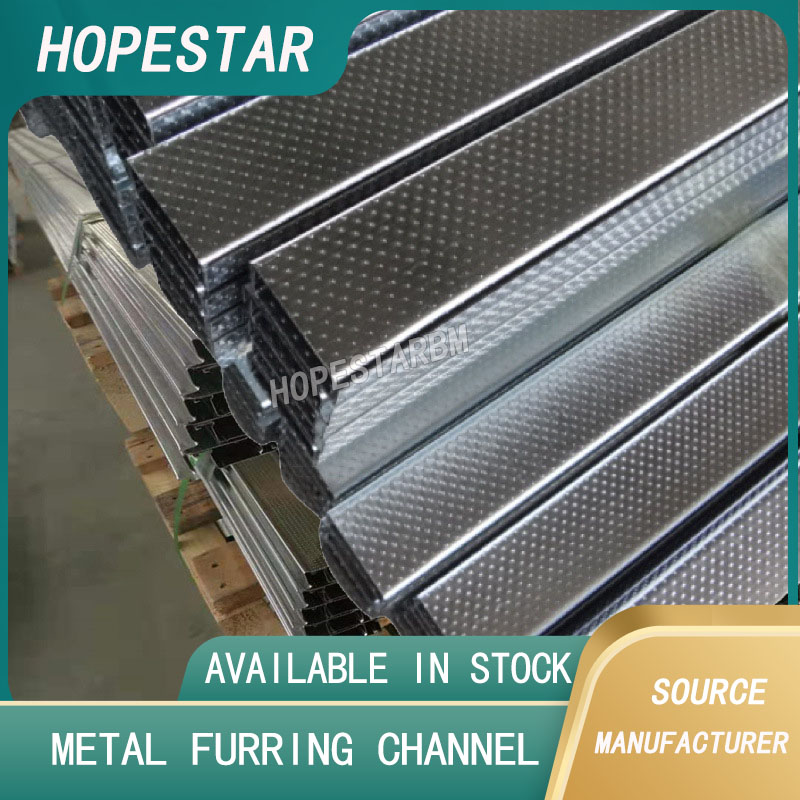
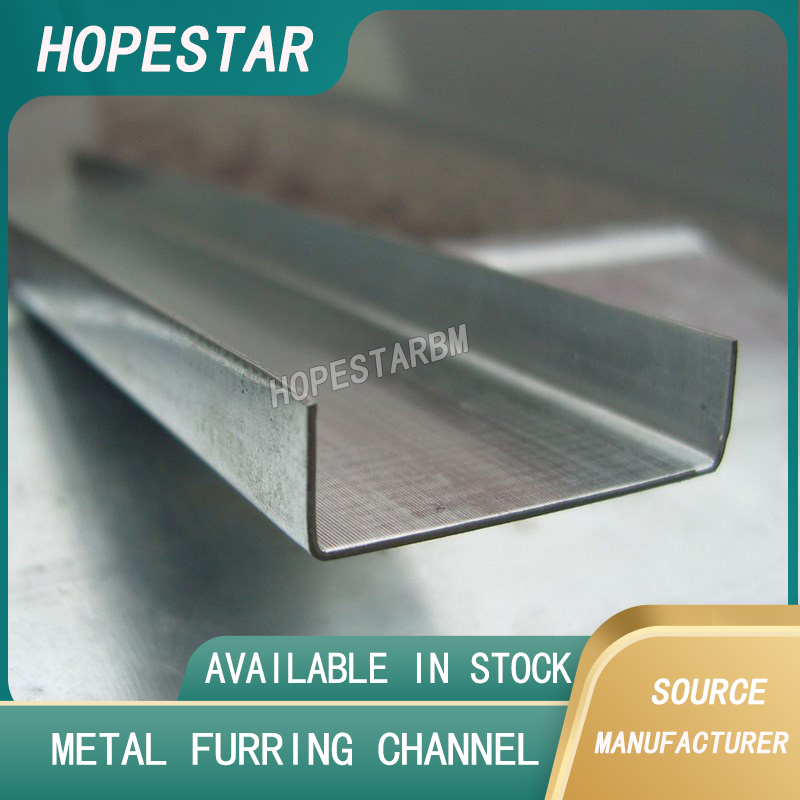
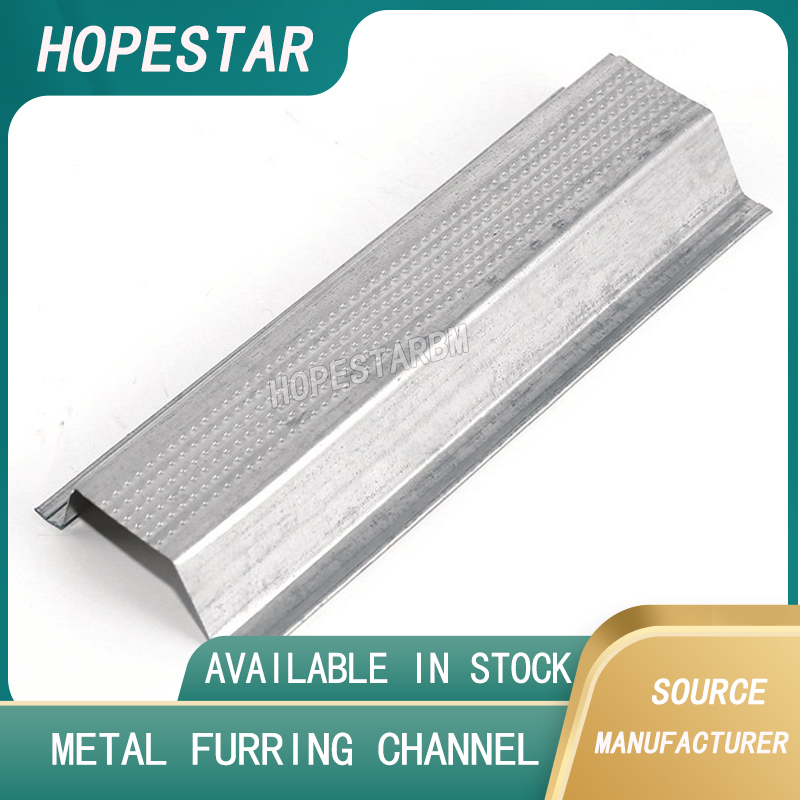
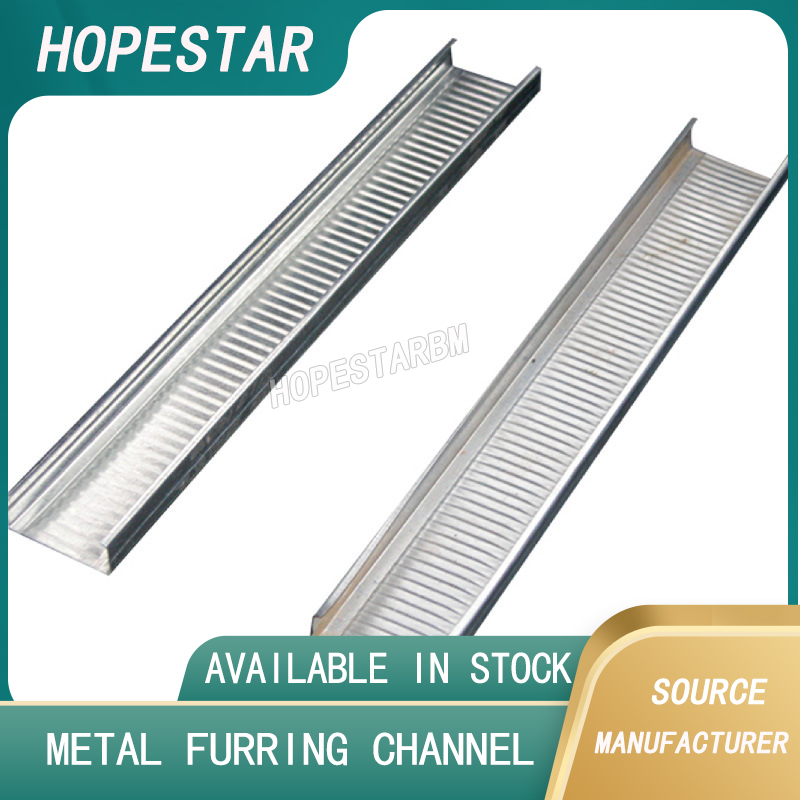
The Omega Furring Channel is a highly efficient and versatile component widely used in ceiling and wall construction systems. It plays a crucial role in providing structural support and creating a flat, smooth surface for the installation of finishing materials such as gypsum boards, fiber cement boards, and other cladding materials. Known for its distinctive omega-shaped profile, this channel offers excellent load distribution, easy installation, and a clean, professional finish, making it an essential choice in both commercial and residential building projects.
One of the primary advantages of the Omega Furring Channel is its unique shape, which resembles the Greek letter Omega (Ω). This profile design enhances the structural strength of the channel and allows it to interlock seamlessly with other components such as main channels, GI angles, or wall studs. The flanges on the Omega Channel enable easy screw or clip attachment of boards, reducing labor time and increasing installation efficiency.
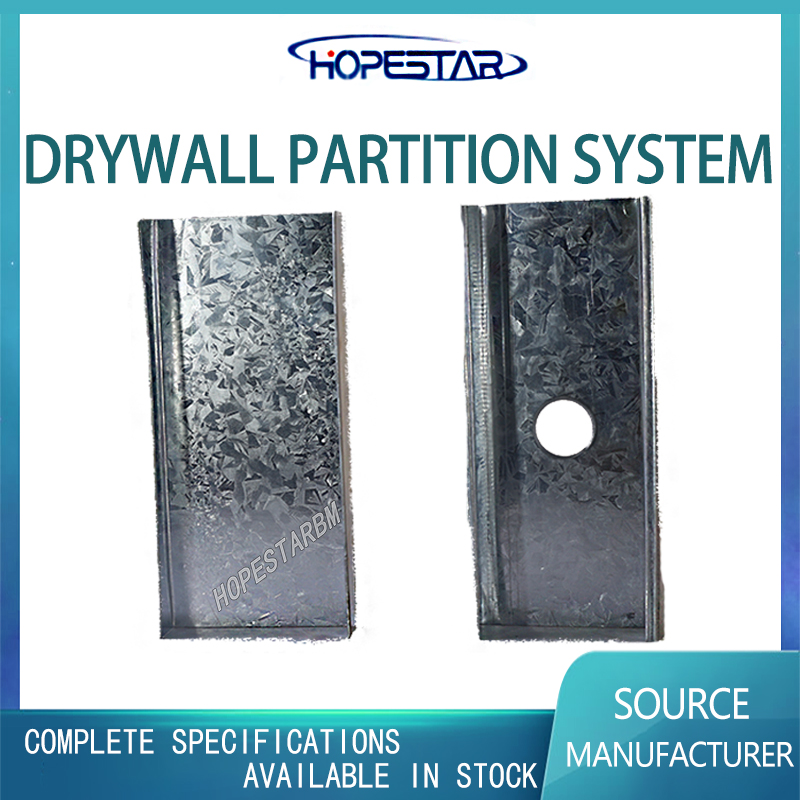
Manufactured typically from galvanized steel, the Omega Furring Channel is resistant to rust and corrosion, making it suitable for use in humid or moisture-prone environments such as bathrooms, basements, and coastal areas. The galvanization process also enhances its longevity and ensures that the channel retains its structural integrity over time, even when exposed to harsh environmental conditions.
In ceiling systems, Omega Furring Channels are installed perpendicular to the main carrying channels and directly support the ceiling boards. This setup ensures a strong framework that minimizes sagging, cracking, or warping of the finishing surface. The channels are spaced evenly, often at 400 mm or 600 mm intervals, depending on the type and weight of the ceiling material. This spacing is critical to maintain a consistent and level surface and to ensure long-term durability.
For wall applications, Omega Channels are fixed vertically or horizontally over masonry or concrete walls to create a cavity. This cavity can be used for electrical conduits, plumbing lines, or insulation materials. The system also provides a solid base for attaching cladding materials, resulting in a clean, finished look while allowing for thermal and acoustic insulation to be integrated within the cavity.
Another benefit of using Omega Furring Channels is their adaptability in different architectural designs. They are compatible with a wide range of construction techniques and can be used in both conventional and modern building styles. Whether it’s a suspended ceiling in an office building or a dry-lined wall in a residential home, the Omega Furring Channel system offers both strength and versatility.
Installation of Omega Channels is straightforward. They can be fixed using screws, nails, or specialized clips, and adjustments can be made easily during the alignment process. Because of their lightweight nature, handling and transportation are also more convenient compared to heavier metal sections.
In addition to their functional qualities, Omega Furring Channels contribute to sustainability in construction. The steel used is often recyclable, and the efficiency of the system can lead to reduced material waste. Furthermore, by enabling the use of drywall systems, they help reduce reliance on wet construction methods, which consume more water and produce more on-site waste.
In summary, the Omega Furring Channel is a smart, reliable solution for supporting ceiling and wall systems in a wide range of construction projects. With its strong structural properties, corrosion resistance, ease of installation, and design flexibility, it continues to be a preferred choice for architects, engineers, and contractors around the world. Whether you're renovating a small home or constructing a large commercial complex, integrating Omega Furring Channels can lead to faster, cleaner, and more durable results.
Galvanized Steel: Durable Protection for Construction and Industry
Fire-Rated Aluminum Furring Channel System
Related Article