Omega Furring Channel: Sizes, Features, and Applications
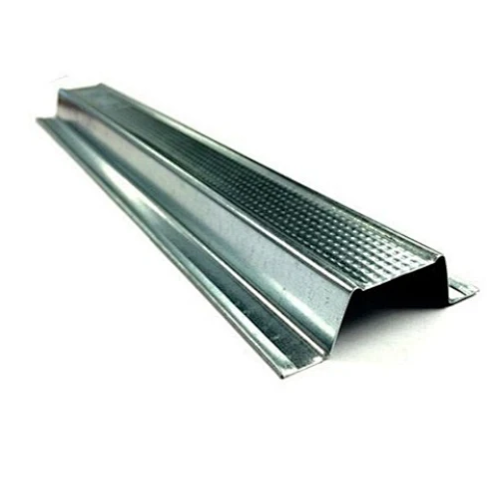
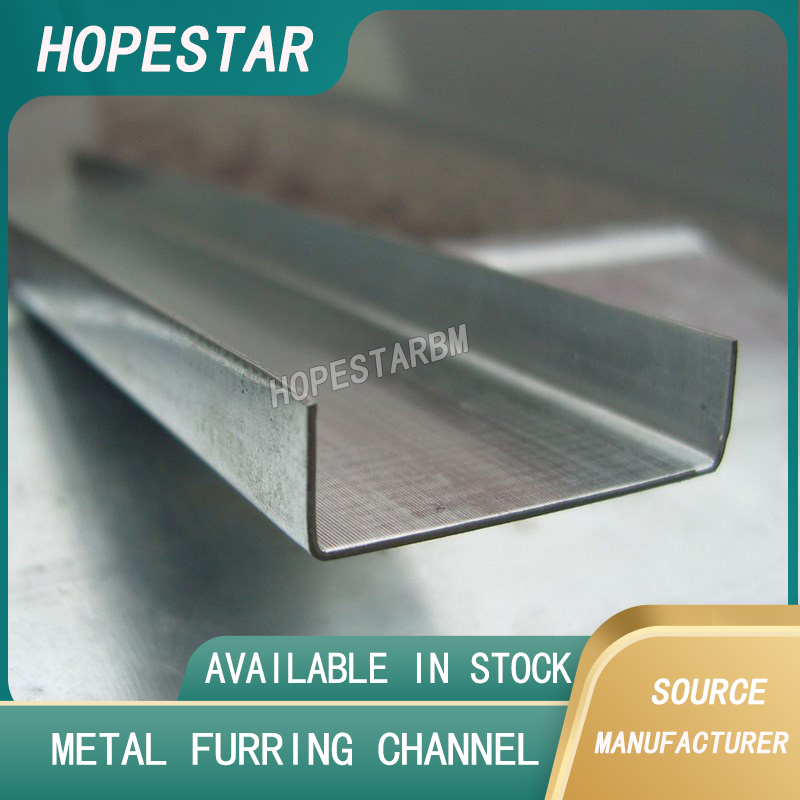
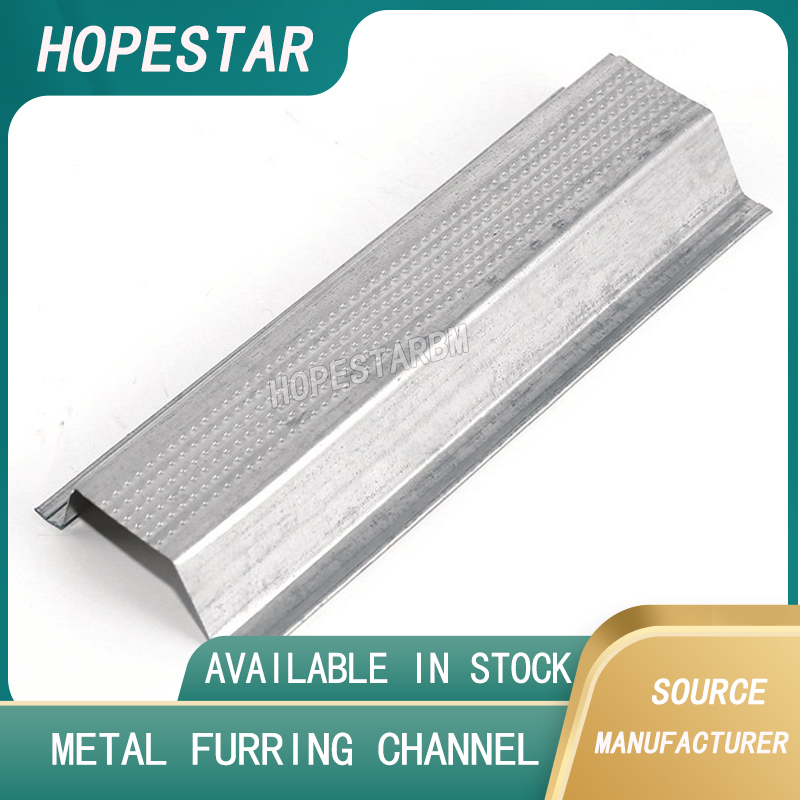
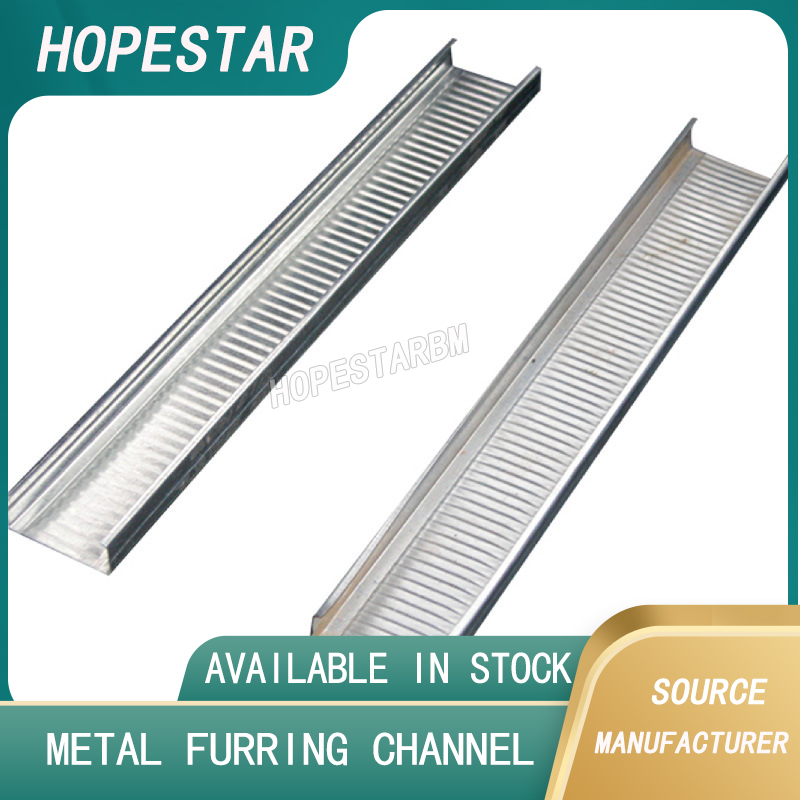
Omega furring channels, also known as Ω-shaped channels, are an integral part of many modern construction systems, offering structural support and alignment for wall and ceiling finishes. Recognized for their distinct omega-like cross-section, these channels are commonly used in both interior and exterior projects to create a solid and ventilated substructure for finishing materials such as gypsum boards, fiber cement panels, wooden cladding, metal panels, and more.
Sizes of Omega Furring Channels
Omega furring channels come in various sizes to accommodate different construction needs. The sizing typically refers to the height, flange width, and base width of the channel. Standard heights usually range from 15 mm to 30 mm. The width of the flanges — the parts that provide fixing surfaces — can vary between 20 mm to 40 mm depending on the specific structural or aesthetic requirements.
While there is no globally fixed standard, manufacturers often offer channels in nominal heights such as 20 mm, 25 mm, and 30 mm. These heights are selected based on the load-bearing requirements, ventilation gaps, or the type of cladding system used. Most omega furring channels are produced in lengths of 3 meters or 4 meters, though customized lengths can be supplied for special applications.
The thickness of the metal used in omega channels typically ranges from 0.4 mm to 1.0 mm. Thinner profiles are suitable for non-load-bearing cladding or interior drywall systems, whereas thicker versions are used in heavy-duty or exterior applications.
Material and Finishing Options
Omega channels are most commonly made from galvanized steel due to its excellent corrosion resistance, cost-efficiency, and strength. Galvanization protects the channel from rusting in both indoor and outdoor environments. In some cases, aluminum omega channels are preferred for lightweight structures or environments where corrosion resistance is critical, such as coastal or industrial settings. Stainless steel is also used in high-performance applications, though it is more expensive.
Some manufacturers also offer powder-coated or pre-painted omega channels, especially for visible applications where aesthetic appeal is important. These coatings can also provide additional protection against UV radiation and moisture.
Key Features of Omega Furring Channels
One of the most notable features of the omega furring channel is its distinctive shape, which provides excellent rigidity and dimensional stability. The symmetrical design allows for consistent alignment of panels or boards, while the profile’s rigidity helps prevent deformation over time. This makes them especially useful for systems that require precision — such as ventilated façades or seamless interior ceilings.
Omega furring channels also facilitate easy and efficient installation. Their flat flanges provide a perfect surface for fastening screws or rivets, ensuring strong and secure attachment of finishing materials. The channels can be fixed directly to concrete, masonry, or steel frames using anchors or fasteners, depending on the wall condition.
Another major benefit is that omega channels create a small cavity between the wall or ceiling and the cladding layer. This cavity can be used for:
-
Ventilation, allowing air circulation and reducing moisture accumulation
-
Routing of electrical conduits or pipes
-
Increased thermal and acoustic insulation, when filled with appropriate materials
Applications of Omega Furring Channels
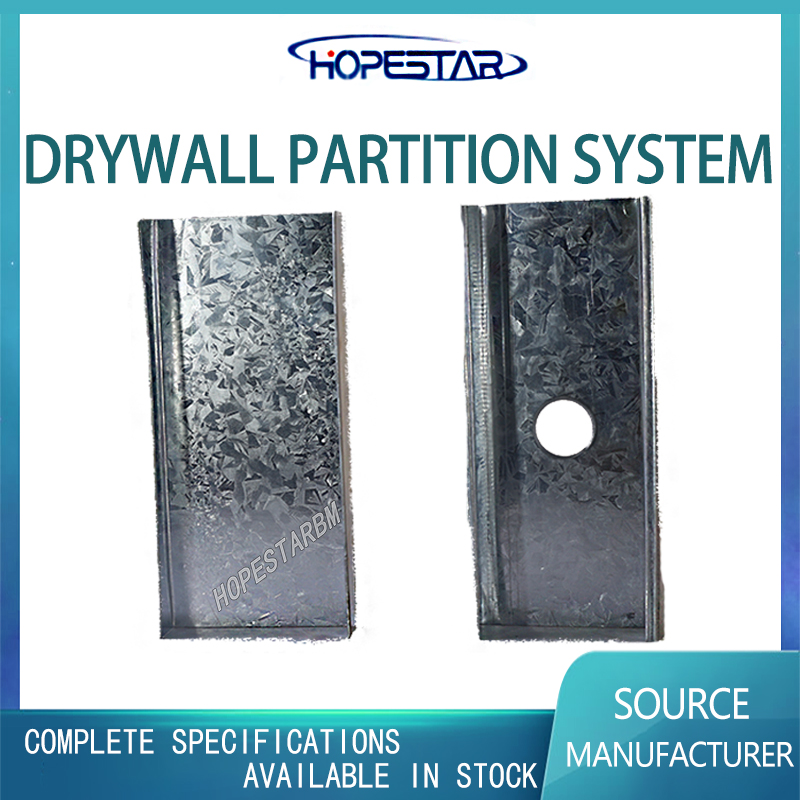
Omega furring channels are highly versatile and are used in a wide range of architectural and industrial applications. In interior spaces, they serve as secondary framing systems to support drywall or decorative wall panels. They help in leveling uneven surfaces, creating flush finishes, and improving acoustic insulation by allowing for the addition of sound-absorbing materials.
In exterior applications, omega channels are commonly used in ventilated façade systems. They act as the substructure to which exterior cladding materials such as aluminum composite panels, fiber cement boards, and high-pressure laminates are fixed. The small offset they provide ensures that the façade is separated from the structural wall, allowing for better thermal performance and moisture control — especially in humid or rainy climates.
In industrial contexts, omega furring channels may be used in cleanrooms, container structures, and prefabricated building modules. They help form part of modular walls and ceilings, providing durability and ease of maintenance. They are also widely used in the installation of sandwich panels and other composite wall systems.
Omega channels are also frequently used in the retrofit or renovation of old buildings. They provide an efficient way to straighten old, uneven walls without heavy demolition. By using these channels to create a new internal framework, contractors can install modern finishes with minimal structural interference.
Conclusion
Omega furring channels are an essential building component that supports both functionality and aesthetics. Their unique shape, combined with a variety of available sizes and materials, makes them suitable for numerous applications in modern construction. Whether for interior drywall partitions, exterior ventilated facades, or industrial panel systems, omega furring channels offer strength, stability, and long-term performance. Choosing the right size and material of channel ensures the overall success and durability of the project.
How to use metal corner bead
What Is a Hat Channel in Metal Roofing?
Related Article