
Metal Stud Anchors.Plastic metal materials
2022-10-11
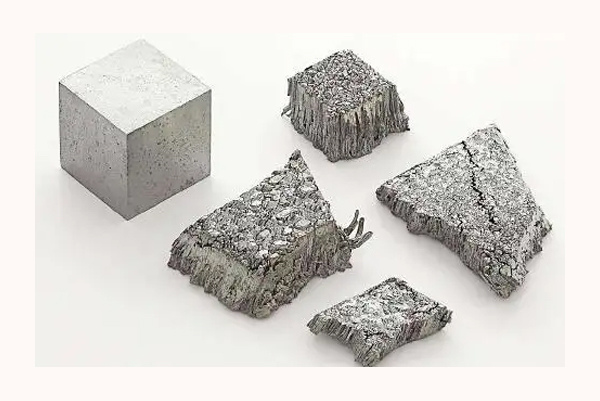
Metal Stud Anchors.Plastic metal materials. The ability to produce permanent deformation (plastic deformation) without being destroyed.
When the metal material is stretched, the length and cross-sectional area will change. Therefore, the plasticity of the metal can be measured by two indicators: the elongation of the length (elongation) and the shrinkage of the cross section (section shrinkage). The greater the elongation and section shrinkage of the metal material, the better the plasticity of the material, that is, the material can withstand greater plastic deformation without failure. Generally speaking, the metal material with elongation greater than 5% is called plastic material (such as low carbon steel), while the metal material with elongation less than 5% is called brittle material (such as gray cast iron, etc.). The material with good plasticity can produce plastic deformation in a large macro range, and the metal material can be strengthened by plastic deformation at the same time, so as to improve the strength of the material and ensure the safe use of the parts. In addition, materials with good plasticity can be successfully processed by some forming processes, such as stamping, cold bending, cold drawing, straightening and so on. Therefore, when selecting metal materials as mechanical parts, a certain plasticity index must be met.
.
Main forms of corrosion of building metals.
1 uniform corrosion. The corrosion on the metal surface makes the cross section evenly thinner. Therefore, the average annual thickness loss is commonly used as an index of corrosion performance (corrosion rate). Steel is generally uniformly corroded in the atmosphere.
2pitting corrosion. Metal corrosion is punctate and deep pits are formed. The occurrence of pitting corrosion is related to the nature of the metal and its medium. Pitting corrosion is easy to occur in the medium containing chloride salt. The maximum hole depth is often used as the evaluation index of pitting corrosion. Pitting corrosion is often considered in pipeline corrosion.
3galvanic corrosion. Corrosion at the contact of different metals due to different potentials.
4crevice corrosion. Local corrosion often occurs on the metal surface in crevices or other concealed areas due to differences in the composition and concentration of media between different parts.
5stress corrosion. Under the combined action of corrosion medium and high tensile stress, the metal surface corrodes and spreads inward into microcracks, which often leads to sudden fracture. This kind of damage may occur to the high-strength steel bars (steel wires) in concrete.
.
Hardness indicates the ability of a material to resist hard objects pressing into its surface. It is one of the important performance indexes of metal materials. Generally speaking, the higher the hardness, the better the wear resistance. The commonly used hardness indexes are Brinell hardness, Rockwell hardness and Vickers hardness.
1. Brinell hardness (HB) presses a hardened steel ball of a certain size (diameter is generally 10mm) into the surface of the material with a certain load (general 3000kg) and keeps it for a period of time. After unloading, the ratio of load to its indentation area is Brinell hardness (HB), in kg force / mm2 (N/mm2).
two。. Rockwell hardness (HR) can be measured by Rockwell hardness instead of Brinell hardness test when HB > 450or the sample is too small. A diamond cone with a vertex angle of 120 °or a steel ball with a diameter of 1.59 and 3.18mm is pressed into the surface of the material under a certain load, and the hardness of the material is calculated from the depth of the indentation. According to the hardness of the test material, different heads and total test pressures can be used to form several different Rockwell hardness gauges, each of which is marked with a letter after the Rockwell hardness symbol HR. The commonly used Rockwell hardness scales are A, B and C (HRA, HRB, HRC). Among them, C ruler is the most widely used.
When the metal material is stretched, the length and cross-sectional area will change. Therefore, the plasticity of the metal can be measured by two indicators: the elongation of the length (elongation) and the shrinkage of the cross section (section shrinkage). The greater the elongation and section shrinkage of the metal material, the better the plasticity of the material, that is, the material can withstand greater plastic deformation without failure. Generally speaking, the metal material with elongation greater than 5% is called plastic material (such as low carbon steel), while the metal material with elongation less than 5% is called brittle material (such as gray cast iron, etc.). The material with good plasticity can produce plastic deformation in a large macro range, and the metal material can be strengthened by plastic deformation at the same time, so as to improve the strength of the material and ensure the safe use of the parts. In addition, materials with good plasticity can be successfully processed by some forming processes, such as stamping, cold bending, cold drawing, straightening and so on. Therefore, when selecting metal materials as mechanical parts, a certain plasticity index must be met.
.
Main forms of corrosion of building metals.
1 uniform corrosion. The corrosion on the metal surface makes the cross section evenly thinner. Therefore, the average annual thickness loss is commonly used as an index of corrosion performance (corrosion rate). Steel is generally uniformly corroded in the atmosphere.
2pitting corrosion. Metal corrosion is punctate and deep pits are formed. The occurrence of pitting corrosion is related to the nature of the metal and its medium. Pitting corrosion is easy to occur in the medium containing chloride salt. The maximum hole depth is often used as the evaluation index of pitting corrosion. Pitting corrosion is often considered in pipeline corrosion.
3galvanic corrosion. Corrosion at the contact of different metals due to different potentials.
4crevice corrosion. Local corrosion often occurs on the metal surface in crevices or other concealed areas due to differences in the composition and concentration of media between different parts.
5stress corrosion. Under the combined action of corrosion medium and high tensile stress, the metal surface corrodes and spreads inward into microcracks, which often leads to sudden fracture. This kind of damage may occur to the high-strength steel bars (steel wires) in concrete.
.
Hardness indicates the ability of a material to resist hard objects pressing into its surface. It is one of the important performance indexes of metal materials. Generally speaking, the higher the hardness, the better the wear resistance. The commonly used hardness indexes are Brinell hardness, Rockwell hardness and Vickers hardness.
1. Brinell hardness (HB) presses a hardened steel ball of a certain size (diameter is generally 10mm) into the surface of the material with a certain load (general 3000kg) and keeps it for a period of time. After unloading, the ratio of load to its indentation area is Brinell hardness (HB), in kg force / mm2 (N/mm2).
two。. Rockwell hardness (HR) can be measured by Rockwell hardness instead of Brinell hardness test when HB > 450or the sample is too small. A diamond cone with a vertex angle of 120 °or a steel ball with a diameter of 1.59 and 3.18mm is pressed into the surface of the material under a certain load, and the hardness of the material is calculated from the depth of the indentation. According to the hardness of the test material, different heads and total test pressures can be used to form several different Rockwell hardness gauges, each of which is marked with a letter after the Rockwell hardness symbol HR. The commonly used Rockwell hardness scales are A, B and C (HRA, HRB, HRC). Among them, C ruler is the most widely used.
Furring Channel Ceiling.How do you process it?
Metal Roofing Panel Profiles. Trim ProfilesDefinition and selection of metal materials
Related Article

Ceiling wall angle, also known as perimeter angle or L-angle, is an indispensable L-shaped metal profile for suspended drywall ceiling systems. Roll-formed from cold-rolled galvanized steel, ceiling wall angle is fixed along the wall perimeter to support the ends of main channels and furring channels,
Ceiling Wall Angle – Galvanized L-Shaped Perimeter Trim for Suspended Drywall Ceilings
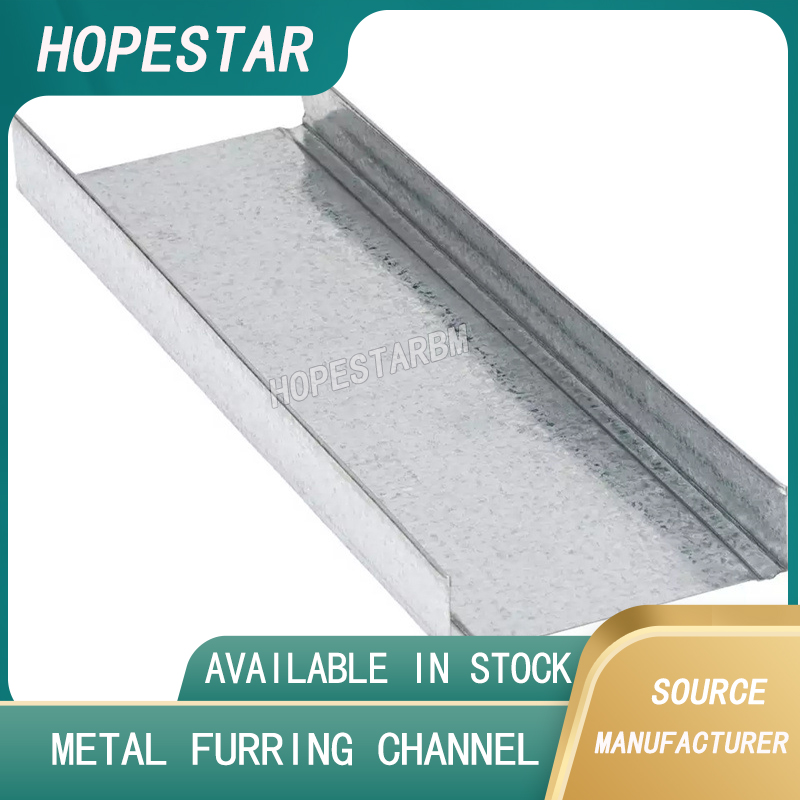
Galvanized steel profiles are the foundational metal framing components widely used in modern interior construction. Roll-formed from cold-rolled steel coated with protective zinc layer, galvanized steel profiles cover a full range of shapes including C studs, U tracks, omega channels,
Galvanized Steel Profiles – Reliable Cold Rolled Framing for Drywall Walls and Ceilings

Metal furring channel for ceiling is a vital secondary framing component widely used in suspended ceiling and drywall ceiling systems. Roll-formed from cold-rolled galvanized steel, this lightweight metal profile works together with main channels, hangers and wall angles to create a level,
Metal Furring Channel for Ceiling – Galvanized Secondary Framing for Suspended Drywall Ceilings

Metal omega channel, also widely called omega furring channel or hat channel, is an indispensable secondary metal framing profile for modern suspended ceilings and drywall wall furring systems. Named after its distinctive Ω shape, this profile is roll-formed from cold-rolled galvanized steel
Metal Omega Channel – Galvanized Omega Furring Channel for Drywall Ceiling and Wall Framing