
Drywall Tape.How to mend the big hole in the wall?
2022-09-29
Drywall Tape.How to mend the big hole in the wall? When moving, the hole left by hanging objects on the wall is a problem that many families often encounter.
First of all, you need to prepare these tools and materials before patching:
Ash shovel (Dry wall taping knife), sandpaper (Sand Paper), fiber grid tape (Fiberglass Mesh tape), quick-dry powder (Setting type compound) and quick-dry powder mixing tank (Dry wall mud pan).
Before we begin to repair the walls, protection is very important. First of all, the ground near the metope should be protected to prevent the dust falling from painting and mending metope from polluting the floor.
We should have some protection ourselves: masks are indispensable because there is dust when polishing the walls, and goggles and gloves are recommended to prevent injury to the eyes.
Usually before mending the metope, we should also do a simple treatment to the metope to get rid of the debris around the hole and make the periphery of the hole flat.
Quick-drying powder in different packages can be bought in some building materials supermarkets, including 5 minutes, 20 minutes and 40 minutes. The quick-drying powder should be mixed with water and mixed well before it can be used.
It is recommended to buy 40-minute dry quick-drying powder.
If the hole in the wall is too big, it will cause compound to go into the hole when applying putty, so use grid tape to paste the hole first.
At the same time, the grid tape has a certain degree of solidification to prevent cracks in the metope.
The mesh tape can paste multiple pieces according to the size of the hole.
Then apply the quick-drying powder on the grid tape for the first time.
First, flatten the bulge with an ash shovel, and then polish it with sandpaper.
Patches like this are usually repeated two or three times.
Large size should be used to flatten the wall putty.
Step 7. Wipe the dry powder and polish the wall again for the second time.
The first time polishing completely will be much more smooth, and then you can use compound thinly for the second time to make the metope more flat, and then re-polish it with sandpaper until the metope is even and flat.
If discover metope has a few grain modelling need to use paint sprinkler irrigation, this is small area use, cover area is in a few square feet. The paint sprinkler should also shake it well before use and spray it to the wall at a suitable distance.
There is a small handle on the paint spray irrigation that can be used to adjust the size of the sprayed particles. When you choose and buy, you will first look at the instructions for use, and then adjust the appropriate particle size according to the condition of the wall.
You can also choose a cardboard to try spraying before using paint sprinkler, until the particle size coincides with the wall and then formally spray on the wall.
gypsum.Where do you need to avoid the pit?
American building materials supermarket.Measure the sideband conversion effect of the power supply change
Related Article
Ceiling wall angle, also known as perimeter angle or L-angle, is an indispensable L-shaped metal profile for suspended drywall ceiling systems. Roll-formed from cold-rolled galvanized steel, ceiling wall angle is fixed along the wall perimeter to support the ends of main channels and furring channels,
Ceiling Wall Angle – Galvanized L-Shaped Perimeter Trim for Suspended Drywall Ceilings
Galvanized steel profiles are the foundational metal framing components widely used in modern interior construction. Roll-formed from cold-rolled steel coated with protective zinc layer, galvanized steel profiles cover a full range of shapes including C studs, U tracks, omega channels,
Galvanized Steel Profiles – Reliable Cold Rolled Framing for Drywall Walls and Ceilings

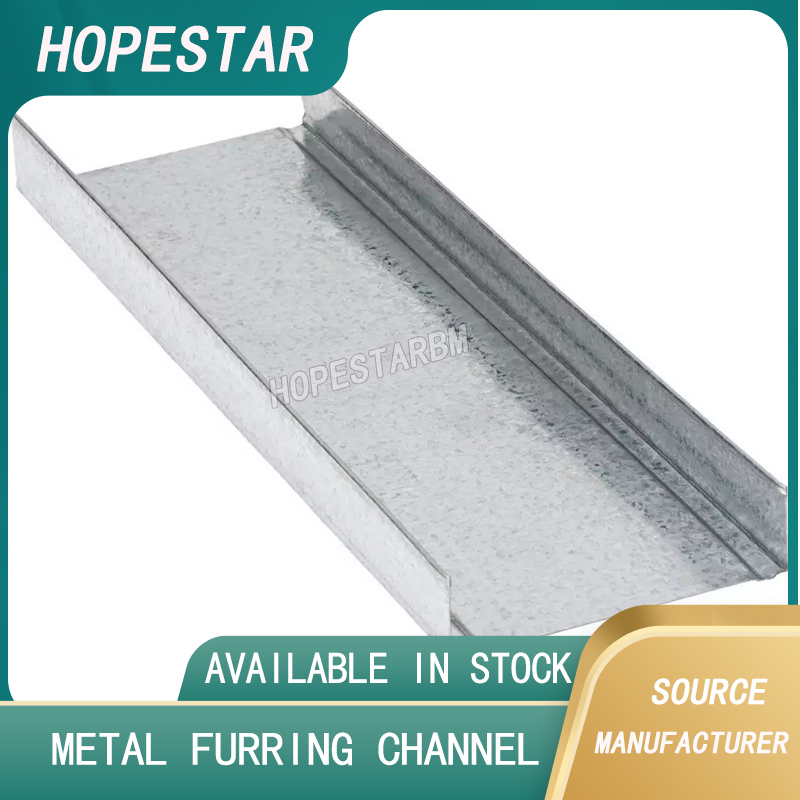
Metal furring channel for ceiling is a vital secondary framing component widely used in suspended ceiling and drywall ceiling systems. Roll-formed from cold-rolled galvanized steel, this lightweight metal profile works together with main channels, hangers and wall angles to create a level,
Metal Furring Channel for Ceiling – Galvanized Secondary Framing for Suspended Drywall Ceilings

Metal omega channel, also widely called omega furring channel or hat channel, is an indispensable secondary metal framing profile for modern suspended ceilings and drywall wall furring systems. Named after its distinctive Ω shape, this profile is roll-formed from cold-rolled galvanized steel
Metal Omega Channel – Galvanized Omega Furring Channel for Drywall Ceiling and Wall Framing