
Z Furring Channel.Metal materials contribute to the transformation of energy structure
2022-10-06
Z Furring Channel.Metal materials contribute to the transformation of energy structure. The "carbon peak" policy being implemented by countries all over the world is not only the change of energy structure, but also as the upstream metal raw material, "new energy +" is profoundly affecting the development of the industry.
the industry cycle of traditional industrial metals and small metals is experiencing industrial new energy, that is, "new energy +". In the process of industrial new energy, there are many short-term mismatches and long-term contradictions between supply and demand. Will determine the trend of the metal materials industry.
The United States, Japan and the European Union have proposed to be carbon neutral by 2050. The Paris Agreement is a climate change agreement signed by 178 parties around the world in 2016. it is an international unified arrangement to deal with global climate change after 2020. Its long-term goal is to limit the global average temperature rise to no more than 2 degrees Celsius compared with the pre-industrial period, and to try to limit the temperature rise to 1.5 degrees Celsius. In 2019, the global average temperature was about 1.1 ℃ higher than the pre-industrial level. Countries have put forward greenhouse gas emission reduction and neutralization targets, of which the European Union, the United States, Japan and other developing countries have proposed to achieve neutralization by 2050.
Since the beginning of this century, China has become a global manufacturing center, and rapid industrialization and urbanization have contributed to a sharp increase in carbon emissions. Carbon emissions are closely related to industrial activities, as most developed countries in Europe and the United States have reached the post-industrialization period, China has greatly accelerated the process of industrialization and urbanization since the reform and opening up, especially since the beginning of this century. China's carbon emissions are increasing rapidly. In 2000, China's total carbon emissions increased from 3.361 billion tons to 9.894 billion tons in 2020, an increase of 2.94 times in 20 years, with an annualized growth rate of 5.55 percent.
At present, China is the world's largest carbon emitter, accounting for 31%. In 2020, China's total carbon emissions reached 9.894 billion tons, accounting for 31% of the world and is still growing, while the proportion of developed countries in Europe and the United States is gradually declining.
Carbon emissions per unit of GDP continue to decline, but China's per capita carbon emissions have not yet seen an inflection point. China's per capita carbon emissions grew slowly before 2000, and then accelerated and there is no short-term downward trend. China's per capita carbon emissions in 2020 has reached 7.01 tons per person, 2.65 times that of 2000, with an annualized growth rate of nearly 5%. In 2020, carbon emissions per unit of GDP were only 44% of those in 2000, falling to 0.67 tons per dollar. Although they are still ranked high among major economies, there is still a tendency to continue to decline.
Central ministries and commissions work together to formulate carbon peak and carbon neutral development plans for various industries. At the end of 2020, the Ministry of Industry and Information Technology proposed to resolutely reduce crude steel output, so as to assist the implementation of industrial low-carbon action and green manufacturing projects. In 2021, the Ministry of Ecology and Environment also proposed to encourage energy, industry, transportation, construction and other key areas to develop special plans for carbon peak. In May, the Ministry of Ecology and Environment, together with the Ministry of Commerce, the Central Bank and other departments, advocated the experimental low-carbon development of free trade zones and the formation of industrialization, standardized energy storage demonstration.
the industry cycle of traditional industrial metals and small metals is experiencing industrial new energy, that is, "new energy +". In the process of industrial new energy, there are many short-term mismatches and long-term contradictions between supply and demand. Will determine the trend of the metal materials industry.
The United States, Japan and the European Union have proposed to be carbon neutral by 2050. The Paris Agreement is a climate change agreement signed by 178 parties around the world in 2016. it is an international unified arrangement to deal with global climate change after 2020. Its long-term goal is to limit the global average temperature rise to no more than 2 degrees Celsius compared with the pre-industrial period, and to try to limit the temperature rise to 1.5 degrees Celsius. In 2019, the global average temperature was about 1.1 ℃ higher than the pre-industrial level. Countries have put forward greenhouse gas emission reduction and neutralization targets, of which the European Union, the United States, Japan and other developing countries have proposed to achieve neutralization by 2050.
Since the beginning of this century, China has become a global manufacturing center, and rapid industrialization and urbanization have contributed to a sharp increase in carbon emissions. Carbon emissions are closely related to industrial activities, as most developed countries in Europe and the United States have reached the post-industrialization period, China has greatly accelerated the process of industrialization and urbanization since the reform and opening up, especially since the beginning of this century. China's carbon emissions are increasing rapidly. In 2000, China's total carbon emissions increased from 3.361 billion tons to 9.894 billion tons in 2020, an increase of 2.94 times in 20 years, with an annualized growth rate of 5.55 percent.
At present, China is the world's largest carbon emitter, accounting for 31%. In 2020, China's total carbon emissions reached 9.894 billion tons, accounting for 31% of the world and is still growing, while the proportion of developed countries in Europe and the United States is gradually declining.
Carbon emissions per unit of GDP continue to decline, but China's per capita carbon emissions have not yet seen an inflection point. China's per capita carbon emissions grew slowly before 2000, and then accelerated and there is no short-term downward trend. China's per capita carbon emissions in 2020 has reached 7.01 tons per person, 2.65 times that of 2000, with an annualized growth rate of nearly 5%. In 2020, carbon emissions per unit of GDP were only 44% of those in 2000, falling to 0.67 tons per dollar. Although they are still ranked high among major economies, there is still a tendency to continue to decline.
Central ministries and commissions work together to formulate carbon peak and carbon neutral development plans for various industries. At the end of 2020, the Ministry of Industry and Information Technology proposed to resolutely reduce crude steel output, so as to assist the implementation of industrial low-carbon action and green manufacturing projects. In 2021, the Ministry of Ecology and Environment also proposed to encourage energy, industry, transportation, construction and other key areas to develop special plans for carbon peak. In May, the Ministry of Ecology and Environment, together with the Ministry of Commerce, the Central Bank and other departments, advocated the experimental low-carbon development of free trade zones and the formation of industrialization, standardized energy storage demonstration.
Metal Roof Panel Profiles.High-tech materials in the scientific community
Metal Roof Profiles.New Energy + "changes the metal material industry."
Related Article

Ceiling wall angle, also known as perimeter angle or L-angle, is an indispensable L-shaped metal profile for suspended drywall ceiling systems. Roll-formed from cold-rolled galvanized steel, ceiling wall angle is fixed along the wall perimeter to support the ends of main channels and furring channels,
Ceiling Wall Angle – Galvanized L-Shaped Perimeter Trim for Suspended Drywall Ceilings
Galvanized steel profiles are the foundational metal framing components widely used in modern interior construction. Roll-formed from cold-rolled steel coated with protective zinc layer, galvanized steel profiles cover a full range of shapes including C studs, U tracks, omega channels,
Galvanized Steel Profiles – Reliable Cold Rolled Framing for Drywall Walls and Ceilings

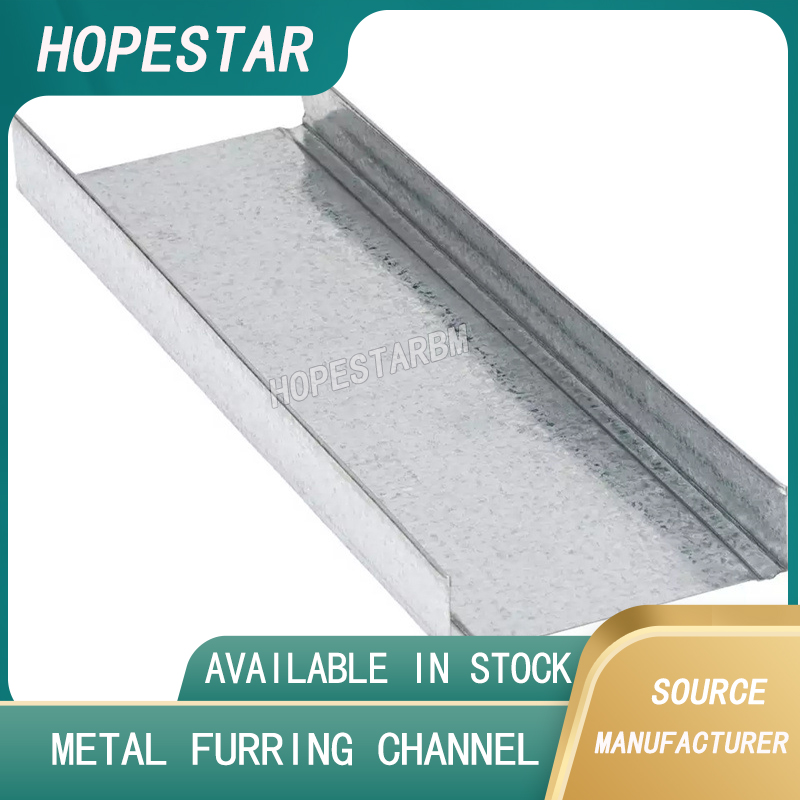
Metal furring channel for ceiling is a vital secondary framing component widely used in suspended ceiling and drywall ceiling systems. Roll-formed from cold-rolled galvanized steel, this lightweight metal profile works together with main channels, hangers and wall angles to create a level,
Metal Furring Channel for Ceiling – Galvanized Secondary Framing for Suspended Drywall Ceilings

Metal omega channel, also widely called omega furring channel or hat channel, is an indispensable secondary metal framing profile for modern suspended ceilings and drywall wall furring systems. Named after its distinctive Ω shape, this profile is roll-formed from cold-rolled galvanized steel
Metal Omega Channel – Galvanized Omega Furring Channel for Drywall Ceiling and Wall Framing