Steel Corner Bead: The Rigid, Impact-Proof Reinforcement for Crisp Drywall Outside Corners
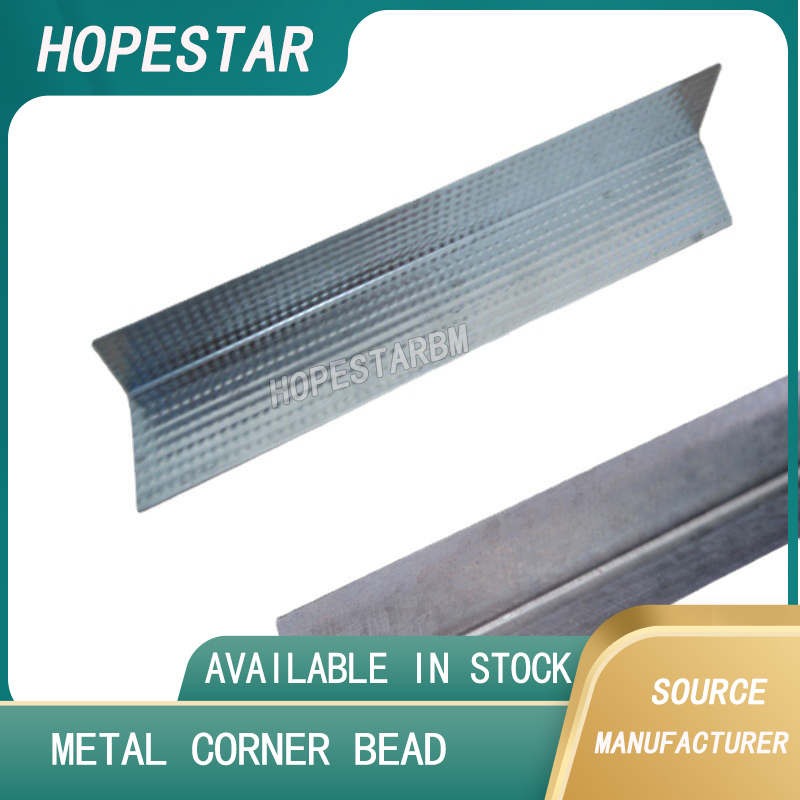
Steel corner bead is the classic, industry-standard finishing profile built for external drywall corners, plaster walls and stucco assemblies. Fabricated as a rigid 90-degree angle, most commonly from hot-dipped galvanized steel, this perforated metal trim reinforces fragile gypsum edges while acting as a straight guide for joint compound. For decades, professional drywall contractors have trusted steel corner bead over vinyl, plastic or paper-only alternatives for high-traffic interiors, commercial spaces, rental buildings and institutional projects. Without steel corner bead, exposed drywall corners chip, dent, crack and scuff easily from moving furniture, cleaning carts, foot traffic and everyday bumps. Whether you are finishing new drywall, repairing damaged wall corners, or bidding a large commercial renovation, premium steel corner bead delivers consistent square edges, long-term impact resistance and a clean, paint-ready finish.
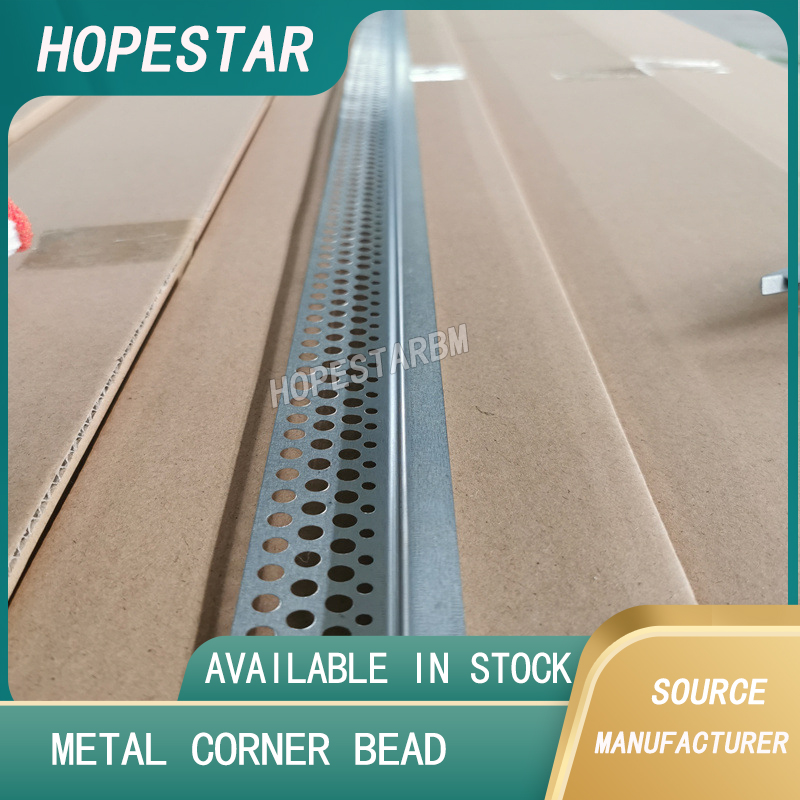
Galvanized steel is the most widely used material for standard steel corner bead. The zinc coating blocks rust and corrosion, making it suitable for most interior spaces, including basements and laundry rooms. Stainless steel corner bead serves as a premium upgrade for coastal, humid or chemically corrosive environments where regular galvanized steel may develop rust stains over time. The perforated flanges are its key design feature: joint compound flows through the holes to lock the bead tightly to the drywall, forming a solid mechanical bond that resists peeling and separation. Standard lengths are 8ft, 10ft and 12ft to match typical wall heights, with common gauge options ranging from 22-gauge lightweight profiles to heavy-duty 18-gauge steel for heavy impact zones. Bullnose steel corner bead is also available for rounded soft corners when a safer, modern design is preferred over sharp 90-degree edges.
The biggest advantage of steel corner bead is its unmatched rigidity. Unlike flexible vinyl bead, which can bend and deform under moderate force, steel corner bead holds its precise angle permanently. It will not warp, stretch or soften with temperature changes, so corners stay straight after years of use. This rigidity also simplifies the mudding process. When installers screed joint compound along the steel nose, the bead creates a fixed reference line, eliminating wavy, uneven corners that show through paint. DIY drywall jobs that skip steel corner bead often end up with crooked edges that require repeated sanding and rework. Steel corner bead also stops stress cracks at corner seams. Drywall expands and contracts with shifting humidity, and the rigid steel profile absorbs minor movement to prevent cracks from spreading along the corner line.
Selecting the right steel corner bead depends on traffic level, moisture exposure and project type. Standard galvanized steel corner bead works well for most residential bedrooms, living rooms and low-traffic hallways. For schools, hospitals, retail stores, apartment corridors and stairwells where bumps are frequent, heavy-gauge galvanized steel corner bead is the best choice to resist dents and crushing. Stainless steel variants are specified for swimming pool areas, coastal buildings and industrial facilities with salt spray or chemical vapors. Bullnose steel corner bead is popular for childcare centers, hotels and modern home interiors to eliminate sharp corners and reduce injury risks. Always confirm the bead size matches the drywall thickness; mismatched profiles create uneven edges that are hard to hide with mud and paint. Many suppliers also offer custom pre-cut steel corner bead for special architectural details.
Proper installation is critical to unlock the full performance of steel corner bead. After hanging drywall and trimming the outside corner clean, align the steel corner bead vertically along the edge. Fasten it with drywall screws, nails or a crimping tool every 6 to 8 inches to prevent shifting. Avoid gaps between the bead and drywall surface. Apply joint compound in thin layers, working the mud fully through the perforations to secure the flanges. Let each coat dry completely before sanding and adding the next layer. Take care not to over-sand the steel nose, which will weaken the edge and ruin the straight corner line. All cut steel ends must be cleaned of metal burrs and touched up with rust-inhibiting paint to stop rust bleed under paint. For inside corners, steel corner bead is not designed; flexible drywall tape or specialized inner corner trim is the correct solution.
Many builders consider plastic or vinyl corner bead to cut material costs, but these softer options often lead to expensive callbacks. Vinyl bends easily, and corners quickly become dented and misshapen after minor impacts. Paper-faced bead can blister or separate if mud is applied incorrectly. Steel corner bead has a slightly higher upfront cost, yet it reduces repair work, touch-ups and customer complaints. It is non-combustible, which helps commercial and multi-family projects meet fire code requirements. For contractors, steel corner bead speeds up finishing, reduces sanding labor and creates uniform, high-quality corners that boost project reputation. It is also fully recyclable, supporting sustainable construction goals.
In summary, steel corner bead remains the gold standard for drywall external corner reinforcement. It combines rigid structural support, reliable corrosion resistance and a built-in guide for smooth mudding. It protects vulnerable gypsum edges from impact damage, prevents recurring cracks and delivers crisp, straight corners that hold their shape for decades. Available in galvanized steel, stainless steel and bullnose profiles, steel corner bead adapts to residential, commercial and institutional finishing projects. If you are sourcing drywall finishing accessories for your next build or remodel, investing in high-quality steel corner bead ensures durable, professional-looking corners that stand up to constant daily wear.
Drywall Steel: The Stable, Fire-Safe Framing Backbone for Modern Drywall Systems
Related Article