Drywall Steel: The Stable, Fire-Safe Framing Backbone for Modern Drywall Systems
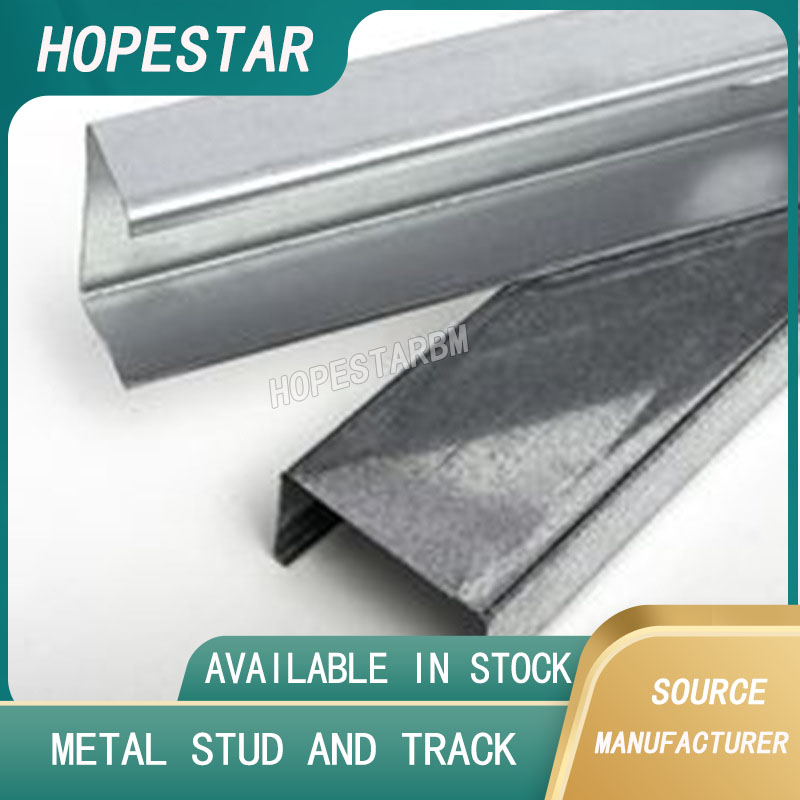
Drywall steel, also known as light-gauge cold-formed steel framing, forms the structural skeleton for gypsum drywall partitions, wall linings and ceiling assemblies. This galvanized steel system includes studs, tracks, runners, hat channels, corner beads and supplementary furring components, all engineered to support drywall panels while delivering consistent alignment, fire resistance and long-term stability. Popular in commercial offices, apartment buildings, hotels, schools, retail spaces and modern residential remodels, drywall steel has gradually replaced wood framing for many interior partition projects. Whether you are a general contractor, drywall installer, or building owner planning interior renovation, understanding drywall steel specifications, benefits and installation rules helps you build straight, crack-resistant and code-compliant drywall walls and ceilings.
Drywall steel is almost always produced from hot-dipped galvanized steel coil. The zinc coating creates a barrier that prevents rust and corrosion, even in humid basements, laundry rooms and coastal buildings. Products are sorted by gauge, which defines thickness and load capacity. Light-gauge drywall steel from 20-gauge to 25-gauge is widely used for non-load-bearing interior partitions and ceiling furring. Medium and heavy-gauge options from 16-gauge to 18-gauge are selected for taller walls, wider spans, high-traffic corridors and assemblies that must carry extra weight from cabinets, heavy fixtures and multi-layer drywall. Standard stud widths include 2-1/2”, 3-5/8”, 4” and 6”, matching common drywall layout requirements. Many drywall steel studs come with pre-punched service holes, which let electricians run cables and conduit without cutting or damaging the framing, greatly speeding up MEP rough-in work.
One of the most valuable advantages of drywall steel is its dimensional stability. Unlike wooden studs, steel will not shrink, warp, twist or bow with seasonal temperature and humidity changes. Wood framing often leads to wavy walls, cracked drywall seams and popped screws after a few years. Drywall steel keeps partitions plumb and flat permanently, so finished paint surfaces stay smooth and uniform. It is fully termite-proof and mold-resistant, eliminating common hidden risks that plague wood interior framing. For multi-family and commercial projects, non-combustible drywall steel is a major safety advantage: it does not feed flames, and it works with Type X drywall to create fire-rated wall assemblies that meet local building codes. This fire performance is one key reason architects and inspectors prefer drywall steel for shared hallways, unit separation walls and public interiors.
Drywall steel also brings clear acoustic benefits when designed properly. Alone, steel studs transfer sound easily, but paired with resilient hat channels, acoustic insulation and sound clips, drywall steel partitions can reach high STC ratings to block airborne noise and impact sound. This setup is essential for apartments, home theaters, office meeting rooms and hotel guest rooms where privacy is critical. Compared with masonry walls, drywall steel framing is lightweight, fast to erect and easy to modify. Partitions can be moved, removed or reconfigured without heavy demolition waste, which suits flexible office layouts and tenant improvement projects. The high strength-to-weight ratio cuts transportation costs and makes on-site handling easier; installers can cut drywall steel with tin snips or metal saws and fix it with self-drilling screws.
Choosing the right drywall steel depends on wall height, load, moisture level, fire rating and sound goals. For short, low-load residential partition walls, thin 22–25 gauge galvanized steel studs and tracks are economical. For walls over 10 feet tall, or walls that will support heavy televisions, shelving and bathroom fixtures, upgrade to thicker gauge steel to avoid deflection. In damp environments, confirm the galvanized coating quality; aluminum drywall steel profiles are available for highly corrosive coastal zones. Always follow manufacturer span tables and building code spacing rules. Most drywall steel layouts run studs 16 inches or 24 inches on center. Remember that drywall steel for non-load-bearing partitions cannot be used to support roof or floor loads, and additional bracing is required for tall or long partition runs.
Correct installation determines how well your drywall steel system performs. Start by marking layout lines on the floor and ceiling, then fasten bottom and top tracks securely to slabs or overhead structures. Insert studs into tracks and align them plumb. Brace long walls with cross bridging to prevent lateral movement. Run wiring and place insulation between studs before hanging drywall. When attaching drywall panels, use proper drywall screws and avoid over-driving screws, which can strip the steel and damage gypsum board. For sound isolation walls, use resilient channels to decouple drywall from the steel framing. All cut edges of drywall steel should be deburred and touched up with anti-rust paint to seal exposed raw steel. After framing, taping, mudding and sanding follow standard drywall finishing procedures.
Many builders still pick wood studs for lower upfront material cost, but this choice often creates expensive callbacks. Wood framing needs regular pest control, and seasonal movement repeatedly cracks drywall joints. Drywall steel costs slightly more at purchase, yet it reduces long-term repair, repainting and maintenance work. It is also sustainable: galvanized drywall steel contains recycled content and is 100% recyclable at the end of service life, reducing construction waste. For contractors, consistent drywall steel dimensions reduce measuring errors and speed up finishing, improving project turnaround and customer satisfaction.
In summary, drywall steel is the reliable modern framing system behind high-quality drywall interiors. It delivers stable, straight walls, built-in fire protection, resistance to rot and pests, and flexible acoustic tuning options. Available in multiple gauges, widths and coating grades, drywall steel adapts to basements, offices, apartments, retail spaces and renovation projects. If you are sourcing interior framing materials for your next drywall job, premium galvanized drywall steel will create durable, flat and low-maintenance partitions that stay in excellent condition for decades.
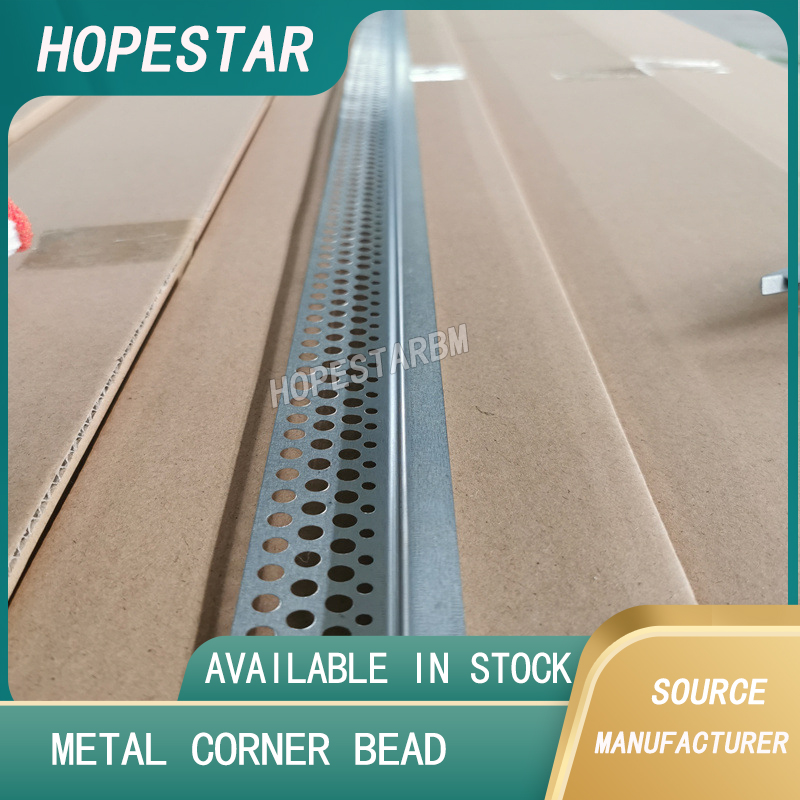
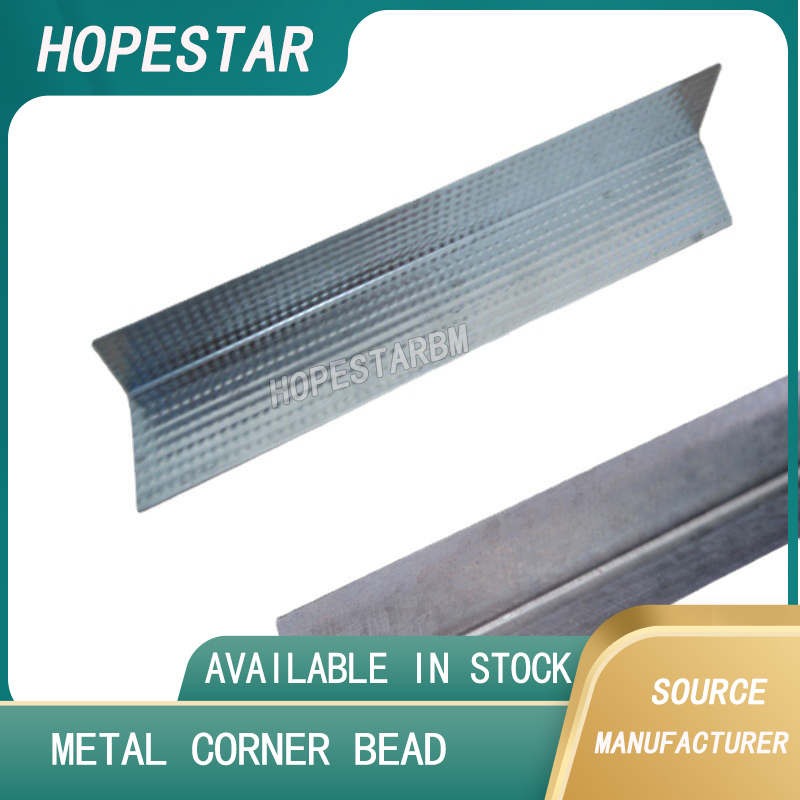
Steel Corner Bead: The Rigid, Impact-Proof Reinforcement for Crisp Drywall Outside Corners
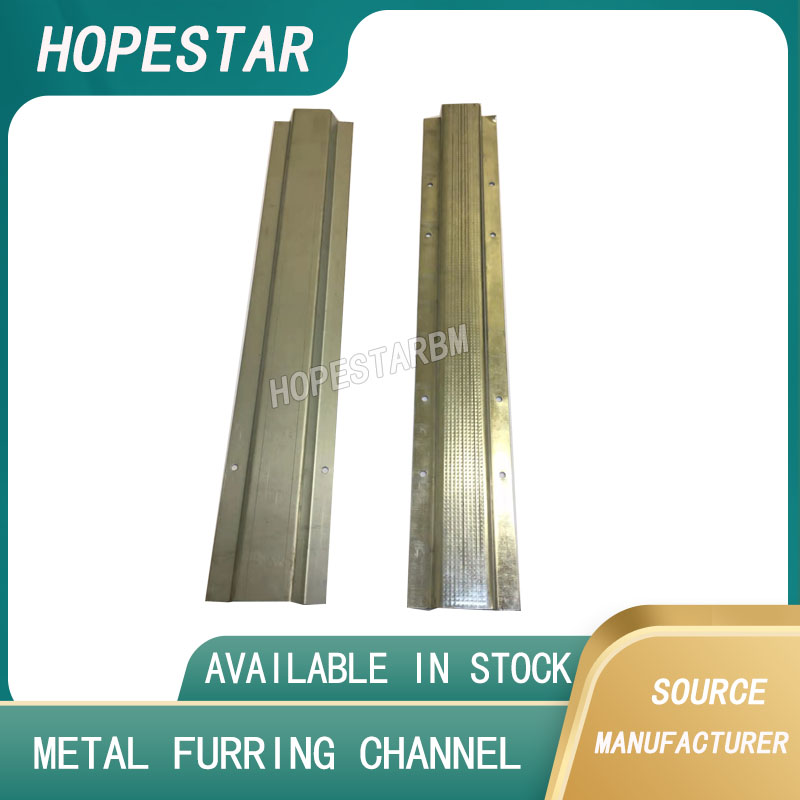
Hat Channel Ceiling: Lightweight Furring Framing for Level, Quiet Drywall Ceiling Assemblies
Related Article