Drywall Corner Cover: Reliable Corner Protection for Clean, Long-Lasting Interior Finishes
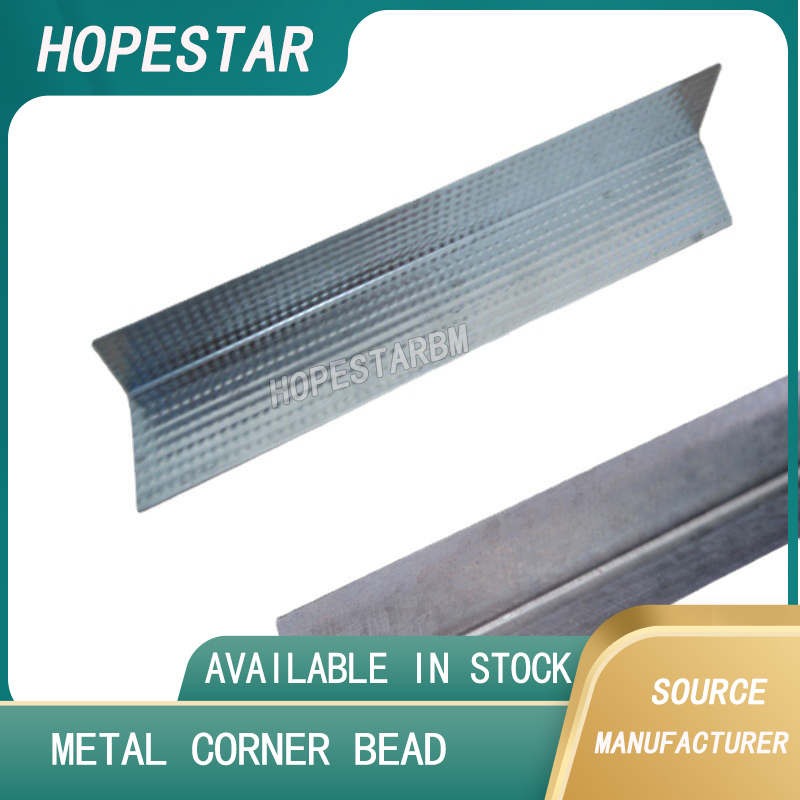
A drywall corner cover, also widely known as corner bead or drywall corner trim, is one of the most critical finishing accessories for gypsum board construction. Drywall corners are naturally fragile. Without proper reinforcement, these exposed 90-degree edges chip, dent, crack, or peel easily from furniture bumps, cleaning impacts, and daily wear. High-quality drywall corner cover locks in a sharp, straight edge while shielding the vulnerable gypsum core, creating smooth, paint-ready corners for residential, commercial, and industrial interior projects. Whether you are finishing new drywall, remodeling a basement, renovating an office, or repairing damaged wall corners, selecting the right drywall corner cover directly shapes the final look and service life of your drywall system.
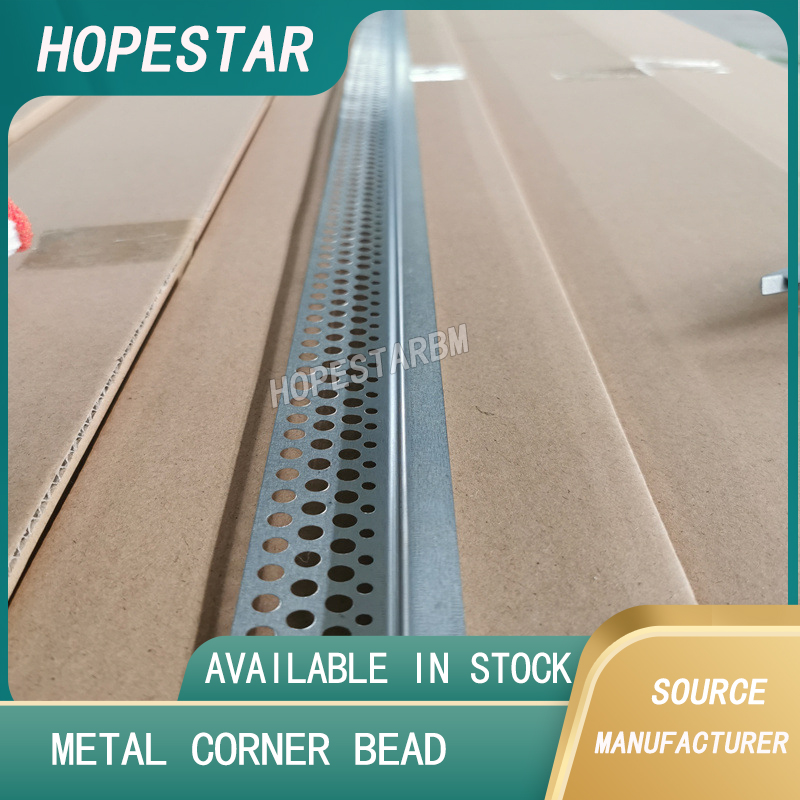
Drywall corner cover comes in several mainstream material options, each engineered for different load conditions, moisture environments, and budget requirements. Galvanized steel drywall corner cover is the classic heavy-duty choice preferred by professional contractors. It delivers outstanding rigidity and impact resistance, holding crisp square corners even in high-traffic zones such as hallways, stairwells, entry lobbies, warehouses, and rental properties. Its perforated flanges allow joint compound to embed tightly, forming a solid bond with the surrounding drywall. Vinyl or PVC drywall corner cover is lightweight, rust-proof, simple to cut, and ideal for damp spaces including bathrooms, laundries, and basements where metal risks corrosion. Paper-faced composite drywall corner cover is another popular option; it combines a rigid nose with paper flanges that integrate seamlessly with drywall mud, reducing blistering, cracking, and popping issues common with traditional metal bead. Bullnose drywall corner cover offers rounded soft edges instead of sharp 90-degree lines, a stylish upgrade for homes, hotels, and retail interiors that want a safer, more modern finish.
The core benefits of drywall corner cover extend far beyond basic impact protection. First, it acts as a straight guide for taping and mudding. When installers apply joint compound over the corner cover, they can screed the mud evenly to create uniform, consistent corners, eliminating wavy, crooked edges that show through paint. Second, it stops stress cracks. Drywall expands and contracts slightly with temperature and humidity shifts. The rigid corner cover absorbs this movement and prevents cracks from forming along the corner seam, a frequent complaint in DIY drywall jobs that skip corner reinforcement. Third, it simplifies later maintenance. Protected corners resist scuffs and abrasion, so walls stay neat for years with fewer touch-ups. Most drywall corner cover is fully paintable, blending perfectly with surrounding paint or wallpaper for an invisible, seamless finish.
Choosing the correct drywall corner cover depends on your project location, traffic level, and environmental conditions. For high-traffic commercial areas, galvanized metal corner cover remains the top pick for maximum dent resistance. For humid or coastal rooms, vinyl PVC drywall corner cover avoids rust stains and corrosion. Paper-faced composite corner cover works well for mid-range residential projects where installers want fewer coats of mud and lower risk of failure. Bullnose profiles are selected for design-focused interiors, while flexible corner covers suit curved drywall arches and non-standard angles. You should also match the cover width and length to your drywall sheet thickness. Standard lengths are 8ft, 10ft, and 12ft to fit typical wall heights, and pre-perforated flanges improve adhesion with joint compound. Many suppliers also offer custom sizes and pre-cut pieces for special architectural details.
Proper installation is essential to unlock the full performance of drywall corner cover. After hanging drywall panels and securing them to studs, position the drywall corner cover along the exterior corner. Metal covers can be fastened with drywall screws, nails, or crimping tools. Paper-faced and vinyl styles are usually embedded into a thick base coat of joint compound. Make sure the cover sits straight and flush, without gaps or twists. Apply mud in thin layers, allowing each coat to dry fully before sanding and adding the next layer. Avoid over-sanding the corner nose, which will weaken protection and ruin the straight edge. For inside corners, flexible corner tape or specialized inner corner covers can be used, while rigid drywall corner cover is designed specifically for outside exposed corners. Cut edges of metal corner cover should be wiped clear of metal shavings to prevent rust bleeding under paint.
Many DIY builders underestimate the value of drywall corner cover and try to finish corners only with drywall tape and mud. This shortcut often leads to disappointing results: soft corners that dent at the first knock, wavy lines, and recurring cracks after a few seasons. Compared with repairing failed corners later, adding drywall corner cover during the initial finishing stage saves far more time and repair cost. It also raises the perceived quality of the whole project, which matters for home resale value and commercial building inspections. For contractors, using reliable drywall corner cover reduces callbacks and builds a reputation for clean, durable drywall work.
Drywall corner cover is a small but indispensable component in interior construction. It balances structural reinforcement, aesthetic precision, and long-term durability for every drywall corner. Whether you are a drywall contractor sourcing bulk supplies, a remodeler updating interior spaces, or a homeowner finishing a DIY project, investing in premium drywall corner cover ensures straight, crack-resistant, impact-safe corners that look professional and hold up for decades. By matching the material profile to your room’s traffic and moisture conditions, and following standard taping and mudding practices, you can avoid common corner failures and deliver a flawless interior finish that stands up to everyday use.
Hat Channel Ceiling: Lightweight Furring Framing for Level, Quiet Drywall Ceiling Assemblies
Metal Building Hat Channel: The Essential Secondary Framing for Modern Steel Construction
Related Article