Metal Building Hat Channel: The Essential Secondary Framing for Modern Steel Construction
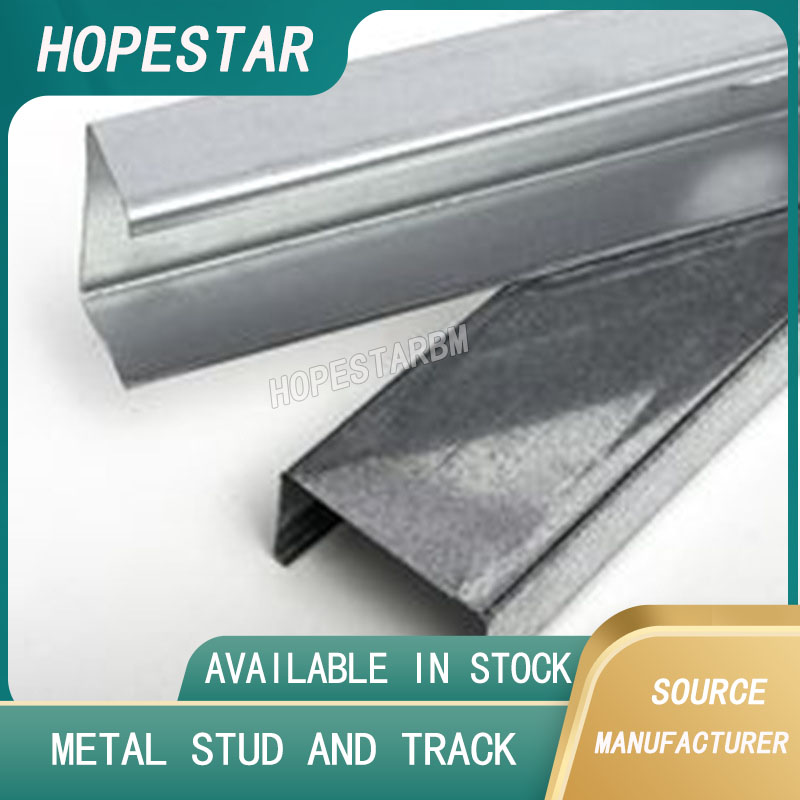
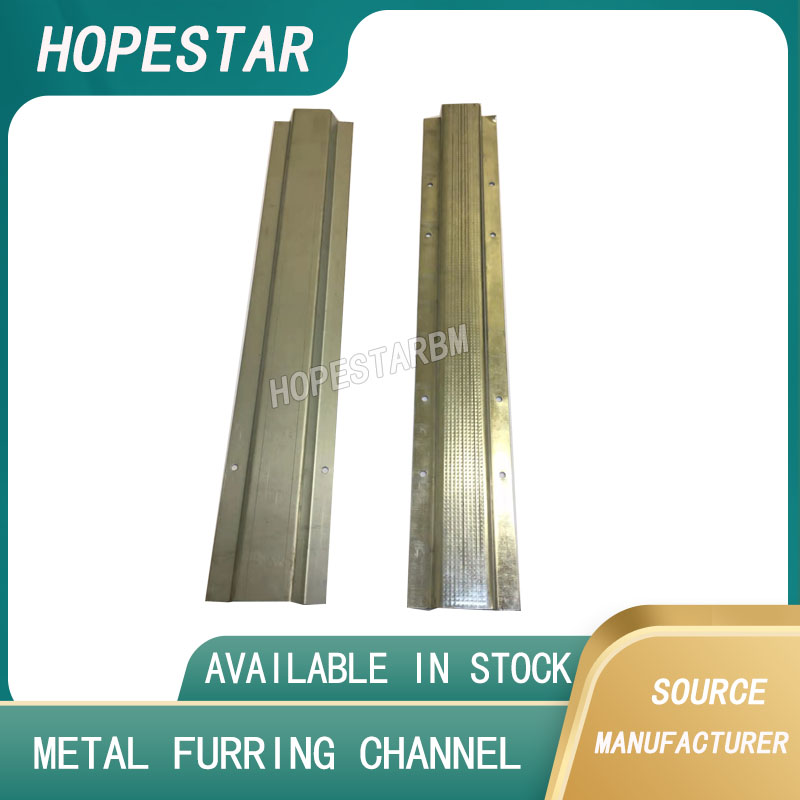
When designing or erecting a durable metal building, contractors and engineers rely on reliable secondary framing components, and the metal building hat channel stands out as one of the most versatile and widely specified profiles. Also known as hat purlin, furring hat channel, or cold-formed hat-shaped steel, this roll-formed metal section gets its name from its inverted top-hat cross-section, with a raised central web and outward-angled flanges designed for secure fastening and uniform load distribution. For metal roof panels, exterior cladding, interior wall furring, and ceiling assemblies, high-quality metal building hat channel delivers strength, alignment, and airflow benefits that standard C-purlins or Z-purlins cannot always match, especially on low-slope roofs, retrofit jobs, and tight-spacing panel layouts.
Metal building hat channel is most commonly manufactured from hot-dipped galvanized steel, galvalume steel, or lightweight aluminum, with available gauges ranging from 25-gauge light-duty interior profiles up to 16-gauge heavy-duty exterior purlins. Custom depths, flange widths, and pre-punched hole patterns are available to fit project specifications. The galvanized coating is a critical feature for metal buildings exposed to outdoor weather, humidity, rain, and temperature cycling, as it blocks rust formation and reduces long-term maintenance needs compared with untreated steel or wooden furring strips. Unlike lumber, steel hat channel will not warp, shrink, rot, or attract pests, which makes it a consistent choice for agricultural metal barns, commercial warehouses, workshops, carports, and industrial steel structures.
The core function of metal building hat channel is to create a flat, level, elevated mounting plane over the primary steel frame. When installed horizontally across rafters or main frames, it acts as a secondary purlin to support standing-seam metal roof panels and wall cladding. The open cavity underneath the hat profile creates continuous airspace between the panel and the structural substrate. This air gap improves roof ventilation, drains trapped condensation, reduces heat transfer, and minimizes the risk of moisture damage, a common pain point for metal roofing systems in humid climatesMcElroy Me.... For interior applications, hat channel furring levels uneven concrete, masonry, or rough steel walls, offering a secure base for drywall, cement board, and interior finishes while creating space for insulation, wiring, plumbing lines, and sound control materials.
One major advantage that makes metal building hat channel popular among installers is its favorable strength-to-weight ratio. It is far lighter than solid steel purlins, easy to cut on-site with metal shears or saws, and simple to lift and position by a single worker. This lightweight design lowers transportation costs and speeds up installation schedules, directly cutting labor expenses for large commercial builds. Pre-punched options simplify layout and alignment, and the wide flanges provide multiple fastening points for self-drilling screws, clips, or rivets. Many contractors select hat channel instead of heavier Z purlins when the design calls for closer purlin spacing, as hat profiles are more economical for short spans and compact panel layouts. It also works perfectly for metal building retrofits: when adding a new metal roof over an existing roof deck, hat channel creates the required standoff without full tear-off of the old roofing, saving time and demolition costs.
Selecting the right metal building hat channel requires careful attention to gauge, depth, coating, span limits, and local building code wind and snow load requirements. Lighter 22–25 gauge hat channels are best suited for interior furring, ceiling supports, and low-load interior partitions. For exterior roof and wall purlins exposed to wind uplift, snow, and weather, 16-gauge to 20-gauge galvanized metal building hat channel is the standard recommendation. Engineers must calculate maximum on-center spacing based on panel type, span length, and regional load values to prevent deflection or panel buckling. Compatibility with metal panel clips is another key check; mismatched fastener systems can compromise the weathertightness and structural integrity of the entire metal envelope. Aluminum hat channel is reserved for highly corrosive environments such as coastal salt-air locations, where galvanized steel may degrade faster over decades of service.
Proper installation of metal building hat channel is just as important as material selection. Channels should run perpendicular to the primary support framing, with ends fully seated and fastened to rafters or girts. Fasteners must penetrate both the hat channel flange and the underlying structural member, following manufacturer torque and spacing guidelines. Installers need to avoid over-tightening screws, which can crush the thin-gauge profile and reduce its load capacity. For soundproof wall assemblies, resilient hat channel installation decouples drywall from the steel frame, cutting airborne noise transfer between rooms, a frequent requirement for office metal buildings, recording spaces, and multi-purpose commercial structuresBuildSteel. All cut edges should be touched up with rust-inhibitive paint to protect exposed raw steel after cutting on-site.
When compared to alternative framing materials, metal building hat channel stands out for sustainability and long-term value. Cold-formed steel is highly recyclable, and its long service life reduces replacement cycles and construction waste. Wood furring needs regular treatment against decay and insect damage, while plastic furring lacks the rigidity required for exterior metal panel loads. C and Z purlins carry higher material costs for small-span, close-spacing projects, making hat channel the cost-effective middle ground for many metal building contractors. Whether you are constructing a small residential metal carport, a farm storage barn, a retail commercial shell, or a large manufacturing facility, hat channel is a small but indispensable component that ties the exterior skin to the main frame while managing moisture, thermal performance, and finish alignment.
In summary, metal building hat channel is the workhorse secondary framing profile for today’s steel construction industry. Its hat-shaped geometry delivers reliable structural support, built-in ventilation cavities, flexible installation options, and excellent corrosion resistance when properly coated. By choosing the correct gauge, coating, and spacing for wind, snow, and moisture conditions, builders can create metal buildings that stay straight, weathertight, and low-maintenance for decades. If you are sourcing secondary framing for your next metal roof, wall cladding, or interior furring project, investing in premium metal building hat channel will protect your panel system, streamline installation, and ensure your steel building performs as designed through every season.
Drywall Corner Cover: Reliable Corner Protection for Clean, Long-Lasting Interior Finishes
What Is a Light Steel Keel Ceiling?
Related Article