
Drywall Channel: Galvanized Furring & Resilient Channels for Flawless Drywall Finishing & Sound Insulation
2026-09-30
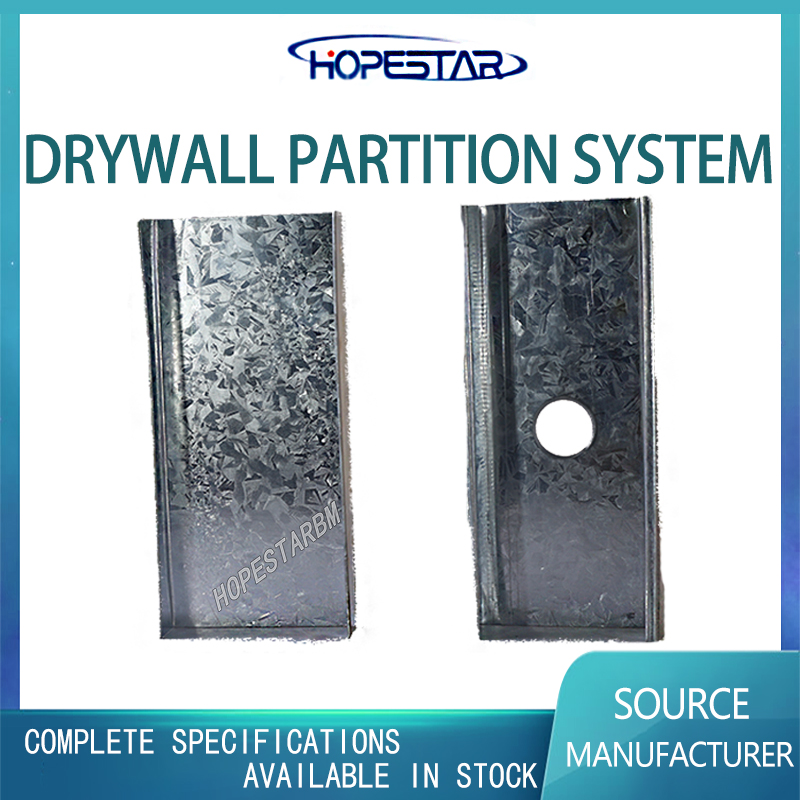
1. What Is a Drywall Channel? Specialized Drywall Framing Component
A drywall channel is a dedicated lightweight galvanized steel profile designed exclusively for drywall plasterboard installation, serving as the critical intermediate support layer between building structural substrates and drywall panels. Unlike general structural steel channels that focus on heavy load-bearing, drywall channels are engineered for non-structural finishing functions, covering two core mainstream types: furring channels and resilient channels. Manufactured from thin-gauge hot-dip galvanized steel with precise cold-formed molding, they feature ultra-flat surfaces, uniform elasticity, and ultra-light weight, perfectly matching the installation characteristics of gypsum drywall.
This specialized drywall accessory solves multiple construction pain points of direct drywall installation on walls and ceilings. It can level uneven concrete substrates, form a stable hollow buffer layer, and fix drywall panels firmly without deformation or cracking. Widely used in residential renovation, commercial office finishing, hotel interior decoration, and clean room renovation, it is an indispensable core material for high-standard modern drywall finishing systems.
2. Two Core Types of Drywall Channels & Functional Differences
Most users confuse different drywall channel types and select mismatched profiles, leading to poor wall flatness and unqualified sound insulation effects. Clarifying the functional differences between furring channels and resilient channels is the key to standardized drywall construction.
Drywall Furring Channel (Leveling & Support Type)
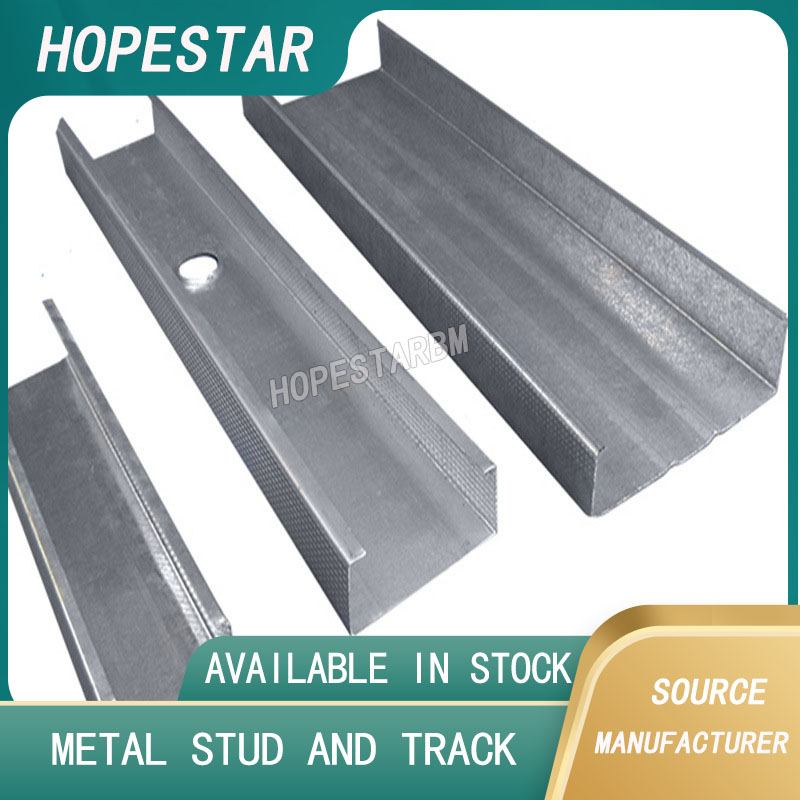
Furring channel is the most commonly used basic drywall channel, adopting a standard hat-shaped or C-shaped thin steel structure. Its core function is wall and ceiling leveling and auxiliary fixing. When the original concrete wall or ceiling has uneven surfaces, height differences, or large flatness errors, furring channels can build a uniform horizontal and vertical keel frame to provide a flat mounting base for drywall panels. It disperses the gravity of drywall gypsum boards, avoids local hollowing and bulging, and effectively improves the overall flatness of wall finishing.
With thin-wall galvanized design, furring channels will not increase building floor load, and features flexible cutting and splicing. It is suitable for most conventional indoor drywall installation scenarios and is the basic profile for daily drywall finishing projects.
Drywall Resilient Channel (Sound Insulation & Shock Absorption Type)
Resilient channel is an upgraded functional drywall channel with a unique bent elastic structural design, specially developed for building sound insulation and noise reduction. Different from ordinary furring channels that only provide support, resilient channels can form a flexible isolation layer between drywall and the building’s main structure. It effectively isolates structural vibration and solid-borne noise transmission, cutting off the noise propagation path between walls, floors, and ceilings.
Professional tests show that standard resilient channel installation can improve wall sound insulation performance by 40%–50%, significantly reducing the transmission of talking noise, walking impact noise, and equipment vibration noise. It is the preferred special profile for high sound insulation requirements such as KTV rooms, recording studios, office partition walls, and bedroom silent renovation.
3. Unique Advantages of Standard Drywall Channel Installation
Eliminate Drywall Cracking and Hollowing Defects
Direct pasting or simple nailing of drywall on concrete substrates is prone to cracking due to structural settlement, temperature expansion and contraction, and uneven stress. Drywall channels form a flexible keel buffer system, which can absorb tiny structural deformations and balance wall stress. The standardized frame support makes the force on each drywall panel uniform, completely solving common quality problems such as wall cracking, corner peeling, and hollow bulging in later use.
Excellent Moisture-Proof and Anti-Mold Performance
All formal drywall channels adopt full galvanized anti-corrosion treatment, with dense zinc layer on the surface, which can effectively resist indoor moisture, water vapor erosion, and air oxidation. Compared with traditional wooden keels that are easy to absorb water, mildew, rot, and deform, galvanized drywall channels maintain stable performance in humid environments such as bathrooms, kitchens, and basement interiors, avoiding wall mold and peeling caused by keel deterioration.
Improve Overall Wall Finishing Grade
The precise cold-formed process ensures the dimensional accuracy and flatness of drywall channels. The assembled keel frame has no unevenness or distortion, providing a perfect base for subsequent putty polishing, paint spraying, and wallpaper pasting. The finished wall surface is smooth and straight with neat corners, effectively improving the overall decoration grade, and meeting the high-precision finishing standards of high-end commercial and residential projects.
Lightweight and High Construction Efficiency
Drywall channels are ultra-light thin-gauge steel profiles with simple assembly procedures. Workers can complete cutting, positioning, and fixing quickly on site without complex professional tools. The modular installation method greatly shortens the drywall construction cycle. Meanwhile, the long service life of galvanized steel profiles avoids frequent later maintenance, reducing the comprehensive decoration cost of the project.
4. Common Application Scenarios of Drywall Channels
Residential Interior Decoration and Renovation
In new house decoration and old house drywall renovation projects, drywall furring channels are widely used in living room ceilings, bedroom partition walls, and corridor wall leveling. Resilient channels are preferred for bedroom and study wall renovation to create a quiet indoor living environment and improve residential comfort.
Commercial Space High-Standard Finishing
Office buildings, shopping mall interiors, hotel guest rooms, and exhibition halls have high requirements for wall flatness and sound insulation. The matching use of furring channels and resilient channels ensures neat and uniform interior walls, effectively isolating external noise and meeting the quiet and comfortable office and business environment needs.
Special Functional Space Construction
For recording studios, rehearsal rooms, KTV entertainment rooms, hospital wards, and laboratory clean rooms with strict noise reduction and environmental requirements, resilient drywall channels are essential supporting materials. They cooperate with sound insulation cotton and rock wool filling to build professional sound insulation and silent spaces, meeting industrial functional standards.
5. Professional Selection and Installation Tips
In terms of product selection, conventional wall and ceiling leveling and ordinary finishing projects prioritize standard galvanized furring channels with 0.4–0.6mm thickness, which are cost-effective and stable in performance. For spaces with high noise reduction demands such as bedrooms and entertainment rooms, thickened high-elastic resilient channels must be selected to ensure sound insulation effect.
During installation, drywall channels need to be fixed at uniform spacing, avoiding excessive spacing leading to drywall sagging. Cross connection and splicing should adopt standardized connectors to ensure the overall stability of the keel frame. It is forbidden to use ungalvanized inferior profiles to prevent later rusting and wall yellowing and pollution.
6. Conclusion
As a professional supporting profile for modern drywall finishing, drywall channels differ fundamentally from load-bearing structural steel. Focusing on wall leveling, anti-cracking, moisture-proof and sound insulation functions, they make up for the many defects of traditional wooden keels and direct drywall pasting processes. Reasonable selection of furring channels and resilient channels and standardized construction can effectively improve drywall finishing quality, extend wall service life, and create flat, beautiful, quiet and durable indoor decoration spaces for various construction projects.
Galvanized Studs: Cold-Formed Studs for Long-Lasting Wall Framing
Steel C Channel: Versatile Hot & Cold Rolled Structural Channel for Industrial & Civil Engineering
Related Article
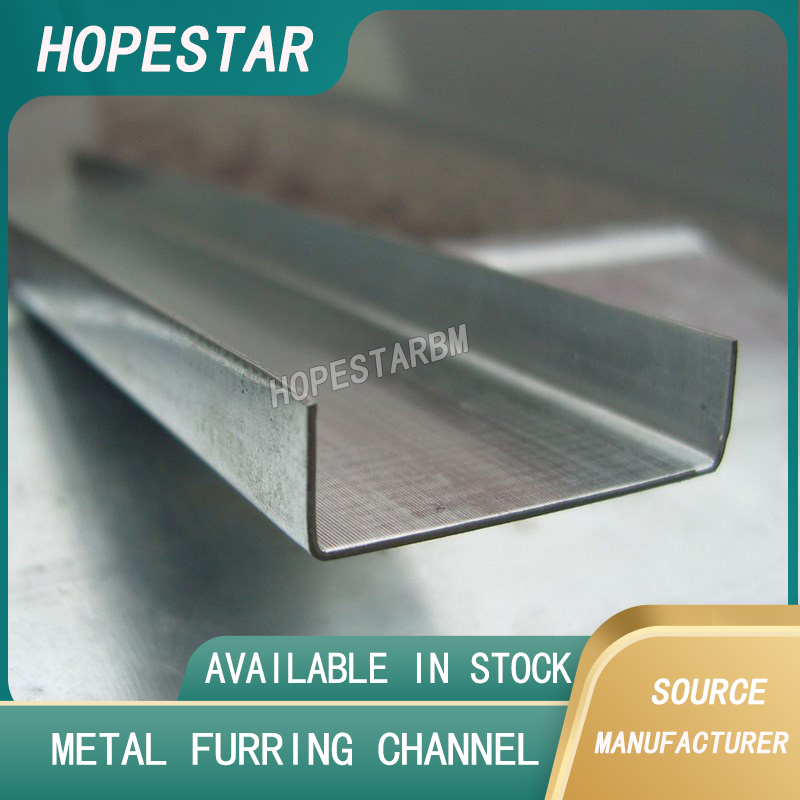
Galvanized studs are cold-formed vertical steel framing members coated with a protective zinc layer, designed to serve as the primary vertical support for drywall partition walls, facade enclosures, and light structural assemblies. Unlike ordinary uncoated steel studs that oxidize rapidly in humid air,
Galvanized Studs: Cold-Formed Studs for Long-Lasting Wall Framing
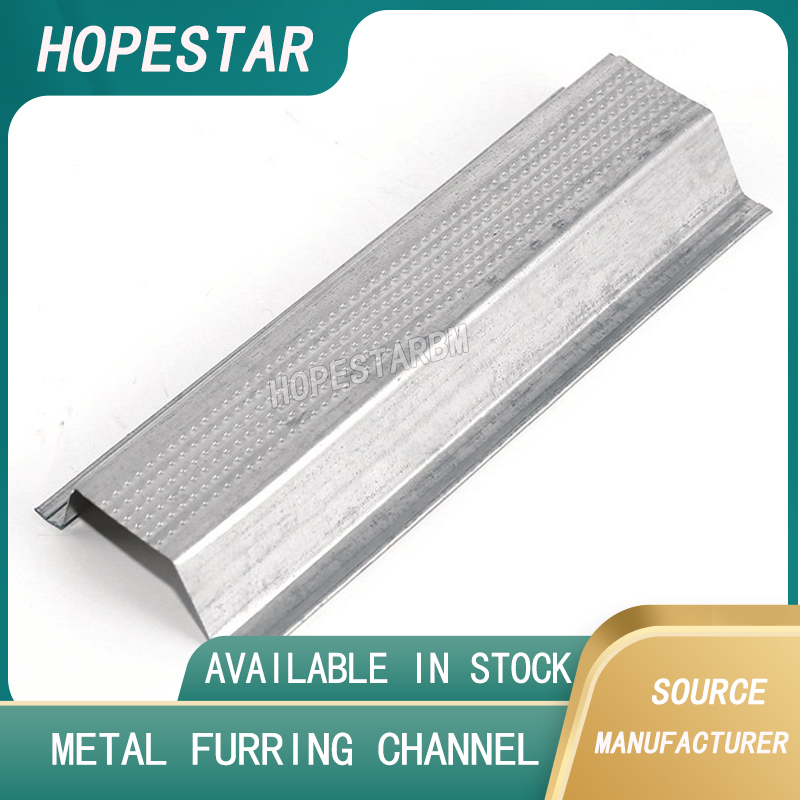
Steel C channel is a standard open-section structural steel profile with a distinctive asymmetrical C-shaped cross-section, widely recognized as a cost-effective core component in industrial manufacturing, civil construction, and mechanical engineering. Unlike galvanized C channels
Steel C Channel: Versatile Hot & Cold Rolled Structural Channel for Industrial & Civil Engineering
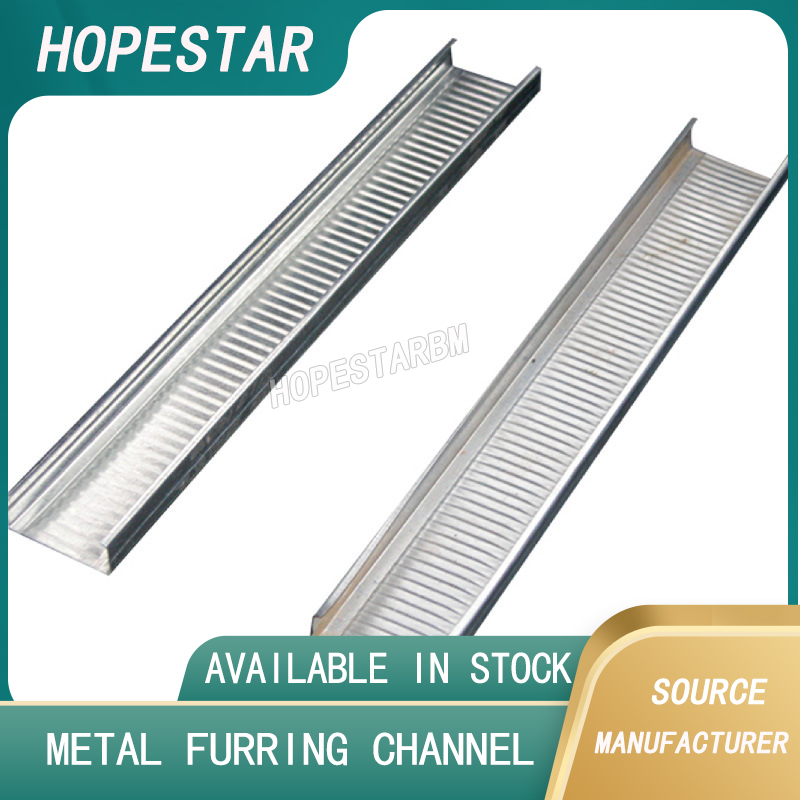
Metal studs and tracks are matched cold-formed galvanized steel framing components that form the foundational skeleton of modern interior partition walls, ceiling enclosures, and light exterior cladding systems. Unlike single steel profiles, they function as a complete structural assembly
Metal Studs and Tracks: High-Precision Cold-Formed Steel Framing for Modern Partition Systems
A galvanized C channel is a cold-formed structural steel profile featuring a distinct C-shaped cross-section, processed with professional galvanizing treatment to boost surface durability. Unlike ordinary carbon steel channels that are prone to oxidation and rust, this optimized steel
Galvanized C Channel: Premium Corrosion-Resistant Structural Steel for Modern Construction