
Steel C Channel: Versatile Hot & Cold Rolled Structural Channel for Industrial & Civil Engineering
2026-09-30
1. Overview of Steel C Channel
Steel C channel is a standard open-section structural steel profile with a distinctive asymmetrical C-shaped cross-section, widely recognized as a cost-effective core component in industrial manufacturing, civil construction, and mechanical engineering. Unlike galvanized C channels that focus solely on anti-corrosion surface treatment, ordinary steel C channels are mainly made of raw carbon steel materials including Q235B, Q355B, and SS400, divided into two mainstream production processes: hot rolling and cold forming. This structural steel features open-side design, flexible dimensional matching, and excellent unilateral bending resistance, filling the performance gap of traditional closed-section steel in lightweight support and customized structural layout.
Standard steel C channels feature fixed flange width, web height, and uniform wall thickness, with complete national and international specification systems. Without additional surface coating by default, they retain the original mechanical properties of carbon steel, delivering high structural rigidity, stable tensile strength, and strong pressure resistance. For scenarios with anti-corrosion demands, they can be secondarily processed through galvanizing, painting, and rust-proof coating, realizing flexible performance upgrading to adapt to diverse engineering environments.
2. Hot-Rolled vs Cold-Formed Steel C Channel: Core Process Differences
The performance and application boundaries of steel C channels are fundamentally determined by rolling processes, which is the key basis for engineering selection and different from homogeneous coated steel profiles.
Hot-Rolled Steel C Channel
Hot-rolled C channel is processed under high-temperature heating and rolling, with thick wall thickness, dense internal steel grain structure, and strong overall load-bearing capacity. It has good toughness and pressure resistance, can withstand heavy static loads and partial impact loads, and is not prone to structural deformation under long-term high-pressure operation. This type of C channel is suitable for heavy-duty main structures, building main purlins, equipment base supports, and large-span steel frame projects, and is the preferred material for permanent load-bearing structures in civil engineering.
Cold-Formed Steel C Channel
Cold-formed steel C channel is rolled and formed at room temperature, with thin and uniform wall thickness, smooth and flat section size, and high dimensional accuracy. It features lightweight and high material utilization rate, with no raw material waste caused by thick-wall redundancy. Although its single-point load-bearing capacity is lower than hot-rolled products, it has outstanding advantages in flexible layout, standardized assembly, and lightweight structural support. It is widely used in secondary building structures, interior partition keels, small equipment brackets, and temporary engineering supports.
3. Unique Structural and Performance Advantages of Steel C Channel
Optimized Asymmetric Section Mechanics
The asymmetrical C-shaped open section design endows steel C channel with targeted mechanical performance. Compared with U-channel steel with symmetrical sections, it has better unilateral bending resistance and lateral stability, which can effectively disperse unilateral stress of the structure and avoid local stress concentration. This structural feature makes it more adaptable to eccentric load and unilateral force-bearing scenarios, solving the problem of poor directional stress resistance of traditional channel steel.
High Machinability and Customization Flexibility
Raw carbon steel C channel has excellent welding, cutting, punching, and bending performance, supporting arbitrary deep processing according to engineering drawings. It can realize fixed-length cutting, hole opening, end bending, and splicing assembly on site, with low processing difficulty and high forming accuracy. Unlike finished coated steel profiles that are prone to coating damage during processing, uncoated steel C channel will not affect structural integrity and subsequent anti-corrosion treatment after secondary processing, greatly improving engineering design flexibility.
Superior Cost-Performance Ratio
Steel C channel adopts pure carbon steel base material without redundant surface process costs, with lower unit price than alloy steel, stainless steel profiles, and pre-galvanized steel channels. Its high material utilization rate and long structural service life effectively reduce comprehensive engineering costs. Meanwhile, the standardized modular specifications simplify inventory management and on-site material matching, shortening project procurement and construction cycles.
Stable Structural Compatibility
Steel C channel has good matching compatibility with other steel components such as I-beams, angle steel, and steel plates. It can form a stable combined steel frame structure through welding and bolt connection, with strong structural integrity and overall stability. It can adapt to various complex structural design schemes and is highly compatible with modern prefabricated steel structure construction systems.
4. Diversified Industrial and Engineering Application Scenarios
Heavy Industrial Structural Engineering
Hot-rolled steel C channels are widely used in factory main steel frames, workshop load-bearing purlins, heavy machinery base fixing, and industrial equipment support structures. Their strong load-bearing and impact resistance ensure the long-term stable operation of heavy industrial facilities and meet the high-strength structural safety standards of industrial production environments.
Civil Building and Infrastructure Construction
In residential buildings, commercial plazas, and bridge auxiliary structures, cold and hot rolled steel C channels are used in building secondary structures, wall keels, ceiling supports, stair auxiliary frames, and bridge guardrail base structures. Their stable mechanical performance ensures the overall firmness of building structures and improves the seismic and wind resistance of buildings.
Mechanical Equipment and Transportation Engineering
Steel C channels are ideal structural materials for mechanical equipment frames, container auxiliary supports, vehicle chassis frameworks, and logistics equipment brackets. Their lightweight and high-strength characteristics reduce equipment self-weight while ensuring structural stability, improving equipment operation efficiency and service life.
Temporary and Special Engineering Projects
Due to low cost and easy processing, steel C channels are commonly used in construction temporary supports, scaffolding auxiliary structures, engineering enclosure frames, and municipal temporary facilities. They can be quickly assembled and dismantled, meeting the rapid construction and recyclable use demands of temporary projects.
5. Professional Selection and Maintenance Tips
For engineering selection, heavy-load main structures and long-term bearing projects should prioritize hot-rolled steel C channels with thick walls and high strength; lightweight secondary structures and precise assembly projects are suitable for cold-rolled steel C channels with high dimensional accuracy. In dry indoor environments, raw steel C channels can be used directly; in outdoor, humid, and industrial corrosive environments, secondary anti-corrosion treatment such as spray painting or hot-dip galvanizing is required to extend service life.
Daily maintenance only needs regular surface cleaning and rust inspection. Timely anti-rust repair and coating protection can effectively avoid local oxidation diffusion and ensure the continuous and stable mechanical performance of the steel channel.
6. Conclusion
Steel C channel, as a classic and versatile structural steel profile, relies on its unique asymmetrical mechanical design, flexible processing performance, and high cost performance to occupy an irreplaceable position in industrial and civil engineering. Different from single-function galvanized channel steel, it can freely switch between raw steel use and customized anti-corrosion processing, adapting to full-scenario engineering demands. Reasonable selection of hot-rolled and cold-rolled models and standardized application and maintenance can maximize structural value, reduce project costs, and provide solid structural support for various construction and manufacturing projects.
Drywall Channel: Galvanized Furring & Resilient Channels for Flawless Drywall Finishing & Sound Insulation
Metal Studs and Tracks: High-Precision Cold-Formed Steel Framing for Modern Partition Systems
Related Article
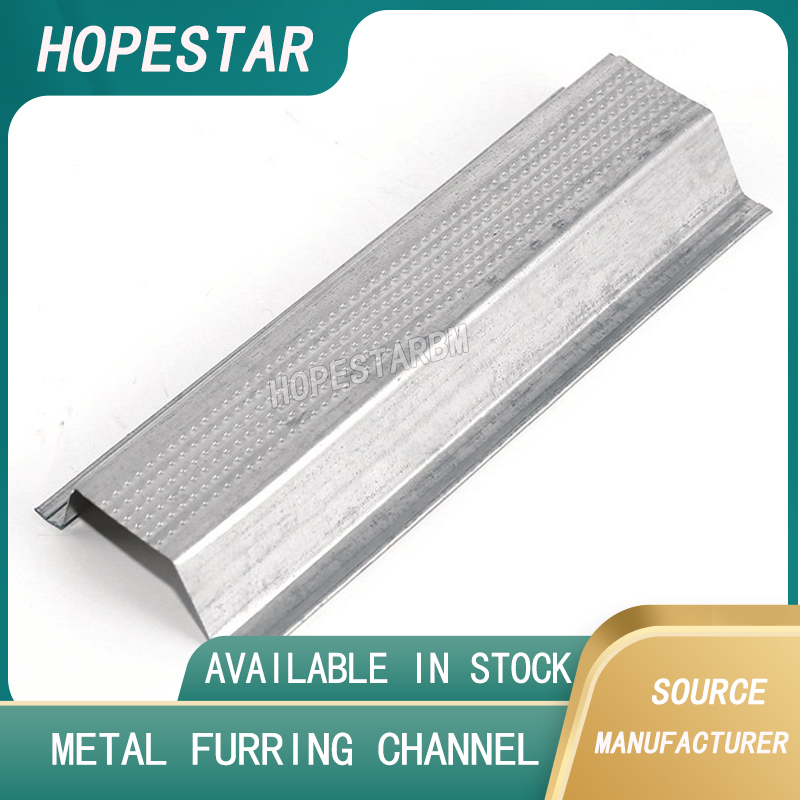
Galvanized studs are cold-formed vertical steel framing members coated with a protective zinc layer, designed to serve as the primary vertical support for drywall partition walls, facade enclosures, and light structural assemblies. Unlike ordinary uncoated steel studs that oxidize rapidly in humid air,
Galvanized Studs: Cold-Formed Studs for Long-Lasting Wall Framing
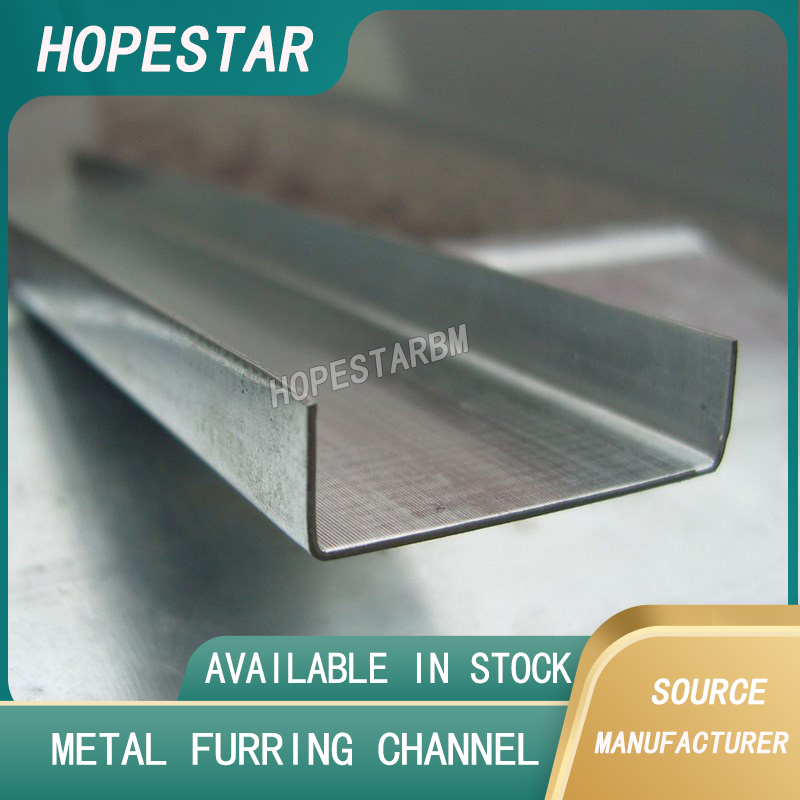
A drywall channel is a dedicated lightweight galvanized steel profile designed exclusively for drywall plasterboard installation, serving as the critical intermediate support layer between building structural substrates and drywall panels. Unlike general structural steel channels that focus on heavy
Drywall Channel: Galvanized Furring & Resilient Channels for Flawless Drywall Finishing & Sound Insulation
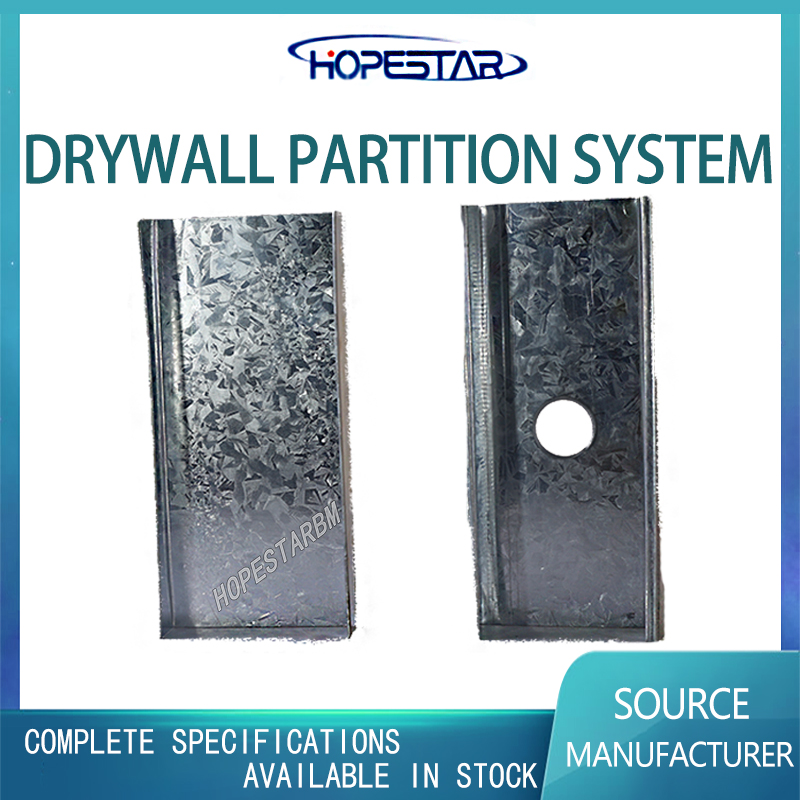
Metal studs and tracks are matched cold-formed galvanized steel framing components that form the foundational skeleton of modern interior partition walls, ceiling enclosures, and light exterior cladding systems. Unlike single steel profiles, they function as a complete structural assembly
Metal Studs and Tracks: High-Precision Cold-Formed Steel Framing for Modern Partition Systems
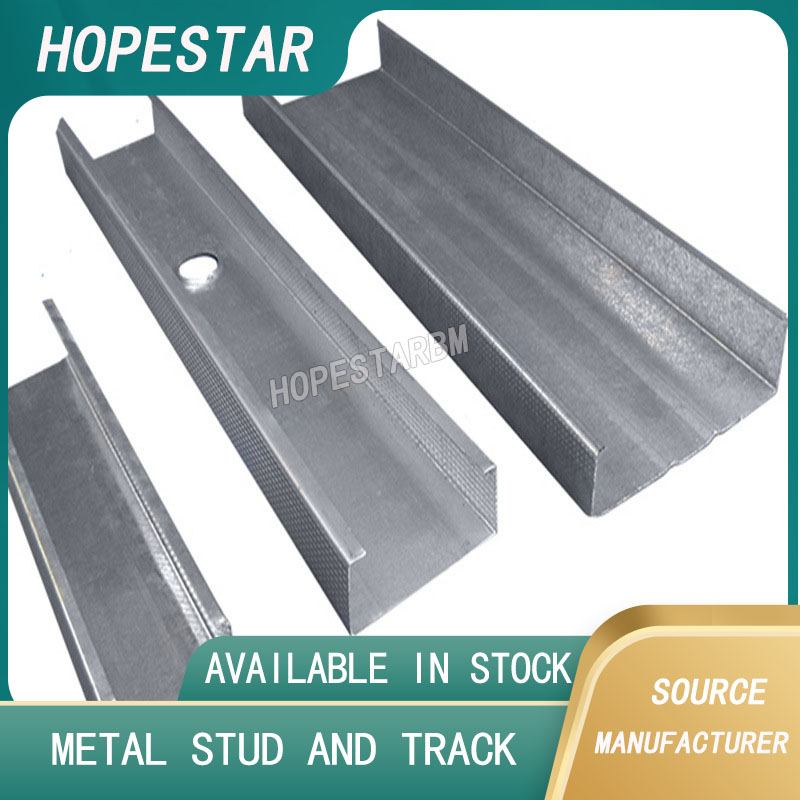
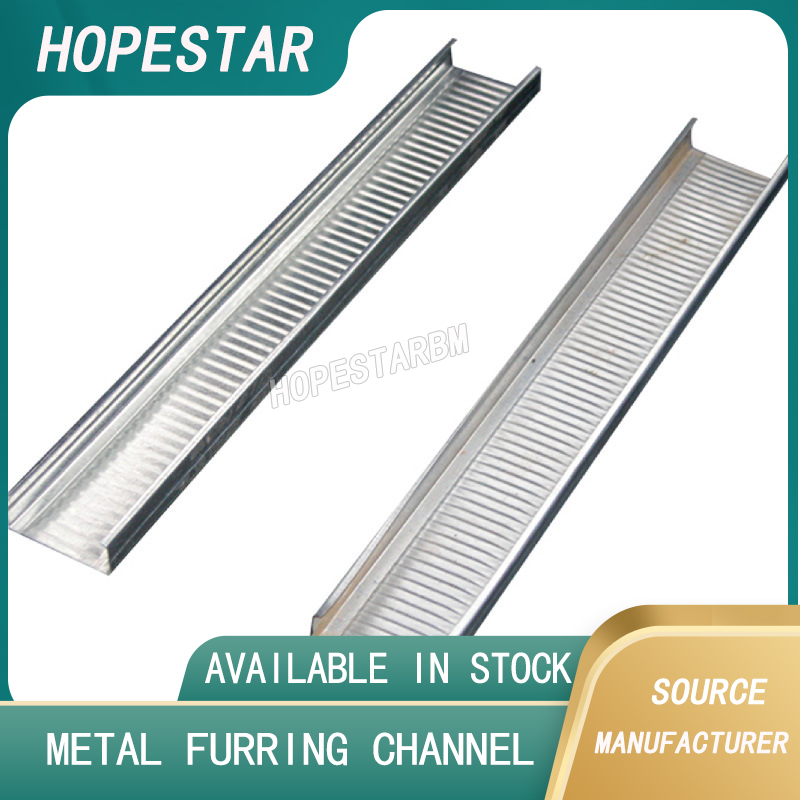
A galvanized C channel is a cold-formed structural steel profile featuring a distinct C-shaped cross-section, processed with professional galvanizing treatment to boost surface durability. Unlike ordinary carbon steel channels that are prone to oxidation and rust, this optimized steel
Galvanized C Channel: Premium Corrosion-Resistant Structural Steel for Modern Construction