
Metal Studs and Tracks: High-Precision Cold-Formed Steel Framing for Modern Partition Systems
2026-09-30
1. What Are Metal Studs and Tracks? Core System Definition
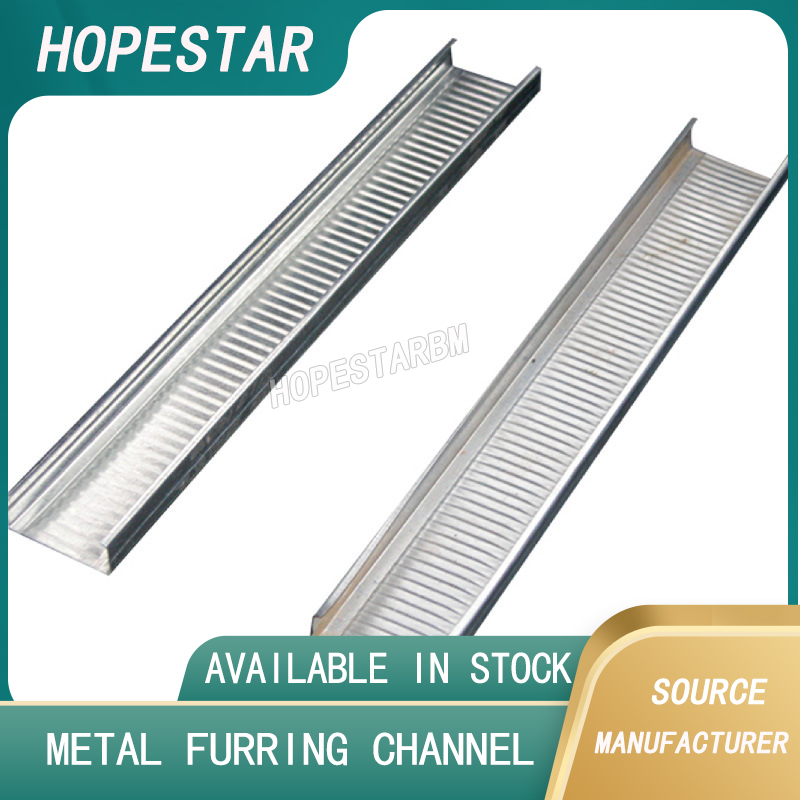
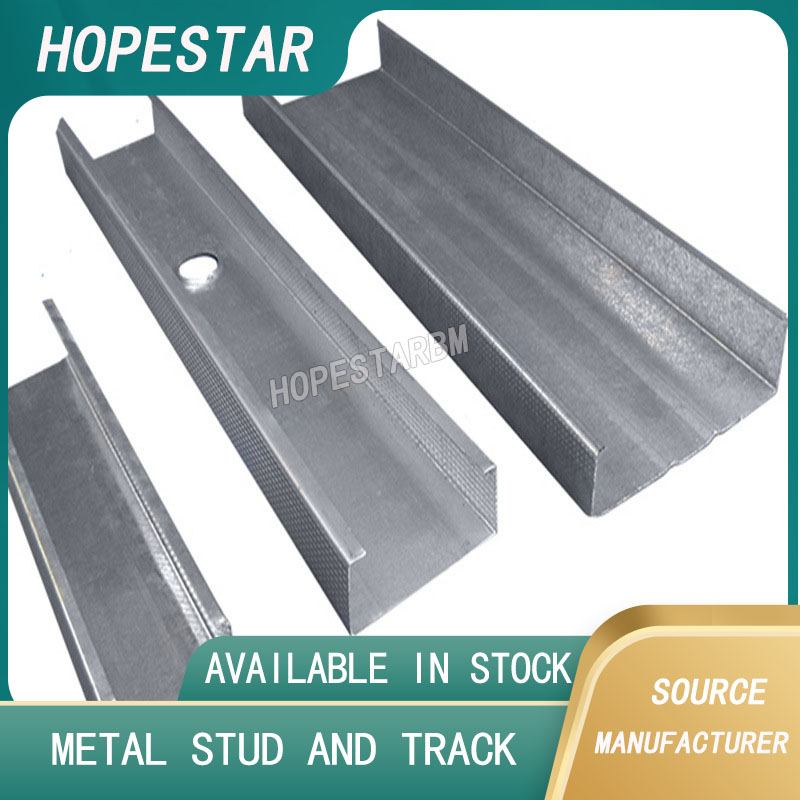
Metal studs and tracks are matched cold-formed galvanized steel framing components that form the foundational skeleton of modern interior partition walls, ceiling enclosures, and light exterior cladding systems. Unlike single steel profiles, they function as a complete structural assembly: metal studs are vertical C-shaped load-bearing and support members with reinforced edge lips for enhanced rigidity, while metal tracks are horizontal U-shaped runner profiles installed on floors, ceilings, and wall tops to fix and stabilize stud arrangements. This paired system is exclusively engineered for drywall integration, replacing traditional wooden framing and outdated thick masonry walls in commercial, residential, and industrial construction.
Manufactured from high-grade hot-dip galvanized steel with precise gauge calibration (16–25 gauge standard), metal studs and tracks feature consistent dimensional accuracy, flat surface finish, and uniform structural toughness. The standardized modular design enables seamless matching between studs and tracks, eliminating assembly gaps and structural deformation that commonly occur with low-quality framing materials. As a core part of lightweight steel construction, this system adapts to low-load, high-precision building interior renovation and new construction scenarios.
2. Unique Advantages of Metal Studs and Tracks Framing System
Zero Deformation and Long-Term Dimensional Stability
One of the most prominent advantages of metal studs and tracks over wood framing is absolute resistance to warping, shrinking, twisting, and cracking. Wooden studs are susceptible to temperature and humidity changes, leading to wall bulging, drywall cracking, and uneven surfaces after long-term use. In contrast, cold-formed steel framing components maintain stable physical properties in humid, dry, and variable-temperature environments. Their rigid structural design ensures partition walls remain plumb, flat, and gap-free for decades, drastically reducing post-construction repair and touch-up work.
Superior Fire, Moisture and Pest Resistance
Metal studs and tracks are non-combustible building materials that fully comply with international fire safety codes. They do not burn, spread flames, or release toxic smoke during a fire, effectively slowing fire spread and extending building evacuation time. Additionally, the galvanized steel surface provides excellent moisture and corrosion resistance, preventing mildew and rot in damp indoor spaces such as basements, bathrooms, and kitchens. Unlike wood, steel framing never attracts termites, carpenter ants, or other pests, completely avoiding structural damage caused by biological erosion.
Lightweight Structure and High Construction Efficiency
The thin-wall cold-formed steel structure makes metal studs and tracks far lighter than traditional brick walls and even wooden frames of the same specification. The lightweight feature reduces the overall dead load of building floors, lowering foundation pressure and structural bearing requirements, which is especially suitable for high-rise buildings, old building renovations, and prefabricated construction projects. Meanwhile, the pre-standardized modular size allows workers to complete cutting, assembly, and fixing quickly on site without complex on-site processing, shortening wall framing construction cycles by 30%–50% compared with traditional processes.
Excellent Sound Insulation and Customizable Performance
The hollow cavity structure of metal stud and track systems reserves sufficient space for filling sound insulation cotton, fireproof rock wool, and thermal insulation materials. Scientific cavity partitioning and rigid steel support effectively block air-borne and impact noise, significantly improving indoor sound insulation effects and meeting the high acoustic requirements of office buildings, hotels, hospitals, and residential bedrooms. Moreover, the system supports flexible customization of wall thickness, height, and load-bearing grades to adapt to ordinary partition walls, high-height curtain walls, and equipment isolation walls with different functional needs.
Eco-Friendly and Fully Recyclable
All metal studs and tracks are made of recyclable galvanized steel, producing no construction waste or harmful volatile substances during installation and use. Unlike wooden framing that consumes forest resources, steel framing materials can be 100% recycled and reused after building demolition, conforming to modern green building, low-carbon environmental protection, and sustainable development standards. It is a recognized eco-friendly building material for global prefabricated construction.
3. Main Classification and Professional Selection Criteria
Common Product Types
According to structural functions and application scenarios, metal studs and tracks are divided into three mainstream types: standard light-duty series for ordinary indoor partition walls, medium-duty reinforced series for high walls and heavy drywall cladding, and deflection-resistant slotted track series for high-rise building floors and seismic building structures. Standard U-tracks are used for floor and ceiling fixing, deep-leg tracks provide higher assembly tolerance for uneven ground and high-wall installation, and slotted tracks absorb building micro-deformation to avoid wall cracking caused by structural settlement.
Core Selection Guide
Project personnel need to select matching gauge and size specifications based on wall height, load-bearing demand, and usage environment. For conventional indoor partitions below 3 meters in height, 22–25 gauge lightweight metal studs and tracks are cost-effective and sufficient for daily use. For partition walls above 3 meters, walls with suspended equipment loads, and public building spaces, 16–20 gauge thickened reinforced series are recommended to ensure structural stability. Humid coastal environments and high-corrosion indoor scenarios prioritize high-zinc-layer galvanized models to extend service life.
4. Typical Application Scenarios Across Industries
Commercial Building Interior Partitioning
In office buildings, shopping malls, hotels, and exhibition halls, metal studs and tracks are the primary materials for flexible space partitioning. Their precise installation and flat wall effect support various surface decorations such as paint, wallpaper, and decorative panels, meeting the diverse aesthetic and functional needs of commercial spaces. The fast construction speed also helps commercial projects shorten decoration cycles and put into operation in advance.
Residential Decoration and Renovation Projects
More modern residential decoration and old house renovation projects abandon traditional brick walls and choose lightweight metal stud and track partition systems. The lightweight structure does not increase floor load pressure, and the anti-cracking and mildew-proof features solve common pain points of household wall deformation and mold growth, greatly improving indoor living comfort and wall durability.
Public and Special Engineering Spaces
For hospitals, schools, laboratories, and factory clean rooms with strict fire prevention, sound insulation, and environmental hygiene requirements, metal studs and tracks show unparalleled advantages. Their non-toxic, harmless, fire-proof, and pest-free properties meet high-standard public building safety norms, while the smooth and easy-to-clean surface adapts to high-hygiene working environments.
5. Conclusion
As a mature and upgraded modern framing solution, metal studs and tracks have completely overturned the limitations of traditional wood and masonry wall construction. With outstanding dimensional stability, safety performance, construction efficiency, and environmental protection value, they have become the mainstream choice for global prefabricated interior decoration and light steel construction. Reasonable selection of high-quality metal studs and tracks and standardized installation can effectively improve project quality, reduce long-term maintenance costs, and create safer, more stable, and more eco-friendly building interior spaces.
Steel C Channel: Versatile Hot & Cold Rolled Structural Channel for Industrial & Civil Engineering
Galvanized C Channel: Premium Corrosion-Resistant Structural Steel for Modern Construction
Related Article
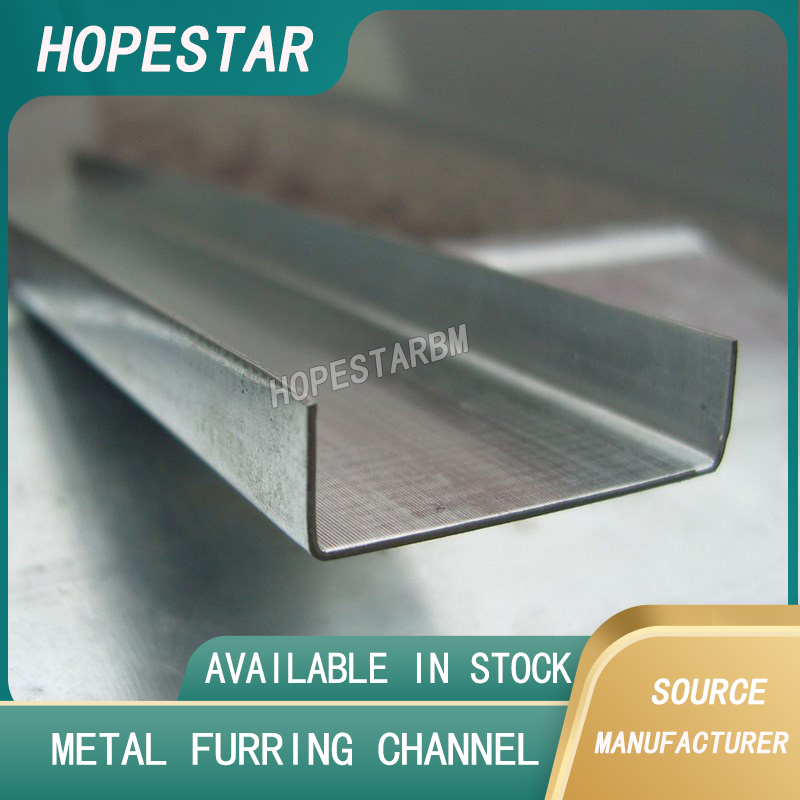
Galvanized studs are cold-formed vertical steel framing members coated with a protective zinc layer, designed to serve as the primary vertical support for drywall partition walls, facade enclosures, and light structural assemblies. Unlike ordinary uncoated steel studs that oxidize rapidly in humid air,
Galvanized Studs: Cold-Formed Studs for Long-Lasting Wall Framing
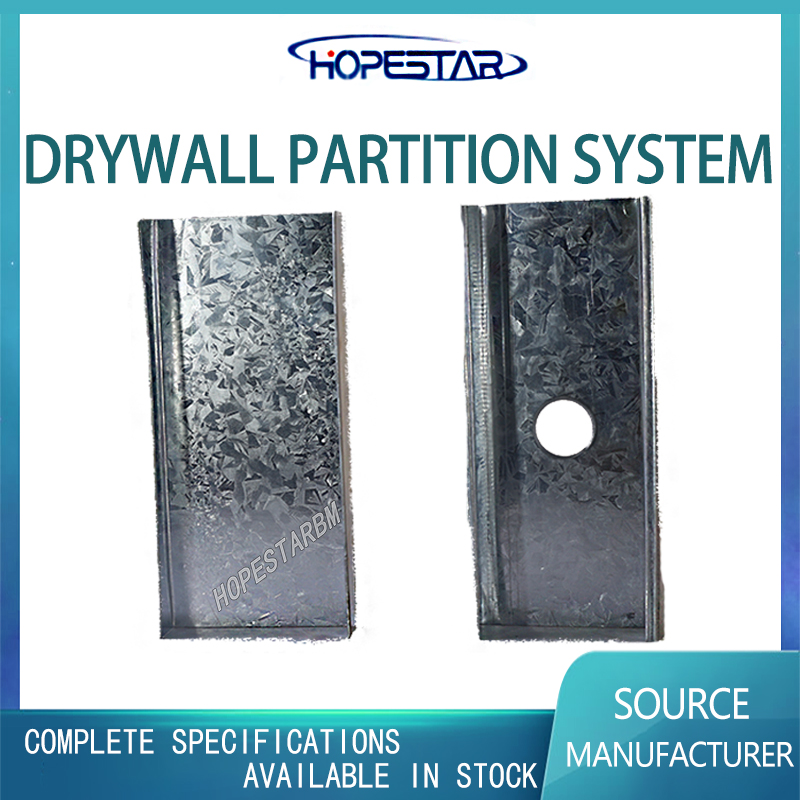
A drywall channel is a dedicated lightweight galvanized steel profile designed exclusively for drywall plasterboard installation, serving as the critical intermediate support layer between building structural substrates and drywall panels. Unlike general structural steel channels that focus on heavy
Drywall Channel: Galvanized Furring & Resilient Channels for Flawless Drywall Finishing & Sound Insulation
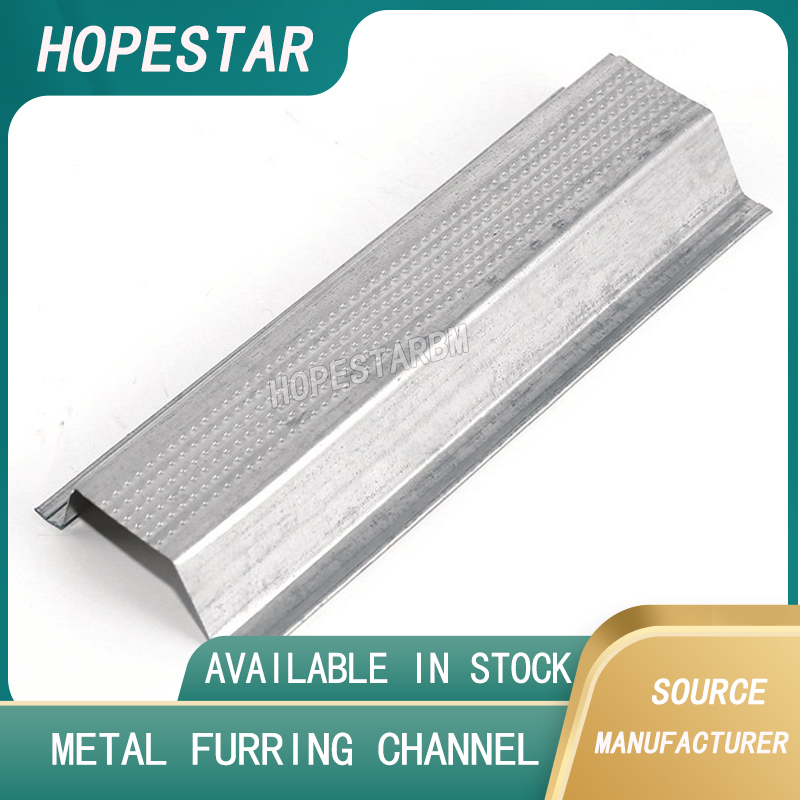
Steel C channel is a standard open-section structural steel profile with a distinctive asymmetrical C-shaped cross-section, widely recognized as a cost-effective core component in industrial manufacturing, civil construction, and mechanical engineering. Unlike galvanized C channels
Steel C Channel: Versatile Hot & Cold Rolled Structural Channel for Industrial & Civil Engineering
A galvanized C channel is a cold-formed structural steel profile featuring a distinct C-shaped cross-section, processed with professional galvanizing treatment to boost surface durability. Unlike ordinary carbon steel channels that are prone to oxidation and rust, this optimized steel
Galvanized C Channel: Premium Corrosion-Resistant Structural Steel for Modern Construction