
Galvanized C Channel: Premium Corrosion-Resistant Structural Steel for Modern Construction
2026-09-30
1. Introduction to Galvanized C Channel
A galvanized C channel is a cold-formed structural steel profile featuring a distinct C-shaped cross-section, processed with professional galvanizing treatment to boost surface durability. Unlike ordinary carbon steel channels that are prone to oxidation and rust, this optimized steel component integrates lightweight structural design and superior anti-corrosion performance, making it a core building material for modern lightweight steel construction, industrial engineering, and new energy support systems.
With standardized dimensional specifications and flexible customizable cutting, bending, and punching processing, galvanized C channels can adapt to diverse engineering scenarios. Their unique asymmetric C-section structure balances mechanical performance and material utilization, avoiding the weight redundancy of traditional steel channels while maintaining stable load-bearing and bending resistance, which greatly reduces overall construction costs and project cycle.
2. Core Advantages of Galvanized C Channel
Exceptional Corrosion and Rust Resistance
The galvanized coating is the most prominent advantage of C channel steel. Hot-dip galvanizing forms a thick, uniform zinc layer with strong adhesion, which can resist rainwater erosion, humid air, and mild chemical corrosion in outdoor and industrial environments. Compared with uncoated steel profiles, it extends the service life by 3–5 times, requiring no frequent anti-rust painting maintenance in long-term use, and significantly reducing later operation and maintenance costs for construction projects.
Lightweight yet High Structural Strength
Adopting advanced cold-forming technology, the galvanized C channel achieves precise section molding without damaging the internal steel structure. Materials like S350GD cold-formed structural steel deliver a minimum yield strength of 350 MPa, ensuring excellent vertical load-bearing capacity and horizontal wind and snow pressure resistance. Its lightweight feature effectively lowers the dead load of building structures, reduces foundation bearing requirements, and is more suitable for large-span and light-duty building systems than traditional I-beams and U-channels.
High Adaptability and Easy Construction
Galvanized C channels support personalized deep processing including fixed-length cutting, hole punching, and bending. The standardized profile design enables modular assembly, which simplifies on-site construction procedures, shortens installation time, and improves construction efficiency. In addition, the smooth galvanized surface avoids dust accumulation and rust peeling, ensuring neat and stable structural appearance, and meeting the dual requirements of structural safety and architectural aesthetics.
Cost-Effective and Eco-Friendly
The high material utilization rate of the C-shaped section reduces raw material waste compared with traditional steel profiles. Its long service life and maintenance-free characteristics cut long-term engineering investment. Moreover, galvanized steel materials are 100% recyclable, conforming to green building and low-carbon construction standards, and are widely recognized in modern environmentally friendly engineering projects.
3. Wide Industrial Applications of Galvanized C Channel
Industrial Plant and Warehouse Construction
As the core purlin and wall beam material for steel structure factories and logistics warehouses, galvanized C channels are used for roof and wall support systems. They stably bear wind pressure, snow load, and dead load of enclosure structures, adapting to large-span open building spaces and harsh outdoor weather conditions, and are the preferred material for lightweight steel structure industrial buildings.
New Energy Solar Mounting Systems
In photovoltaic power station projects, galvanized C channels serve as key support brackets for solar panels. Their excellent anti-corrosion performance fully adapts to long-term outdoor exposure, high humidity, and strong ultraviolet radiation environments. The lightweight and easy-installation features greatly reduce the construction difficulty of distributed and centralized photovoltaic power stations, becoming a mainstream supporting material for BIPV and ground photovoltaic projects.
Architectural Decoration and Auxiliary Structure
The profiles are widely used in building curtain wall keels, ceiling support frames, equipment mounting brackets, and stair auxiliary structures. The smooth galvanized surface does not require secondary painting, simplifying the decoration process while ensuring the stability and durability of auxiliary structural parts.
Agricultural and Special Engineering Facilities
For agricultural greenhouses, breeding sheds, and coastal humid environment engineering projects, galvanized C channels effectively resist moisture and salt fog corrosion. Their flexible assembly performance meets the construction needs of special-shaped and large-span agricultural facilities, with strong environmental adaptability.
4. Galvanizing Process Difference and Selection Guide
There are two mainstream galvanizing processes for C channels: hot-dip galvanizing and pre-galvanizing. Hot-dip galvanized C channels have a thicker zinc layer (80–120μm), stronger corrosion resistance, and are suitable for outdoor, coastal, and high-corrosion industrial scenarios. Pre-galvanized C channels feature a thin and uniform zinc layer, smooth surface, higher cost performance, and are more suitable for indoor structural support and dry environment projects.
When selecting products, users need to comprehensively consider engineering environment, load-bearing requirements, and service life standards. Standard specifications cover height 80–400mm, width 40–100mm, and thickness 1.6–3.5mm, with customizable non-standard sizes to meet personalized engineering demands.
5. Conclusion
As a versatile and high-performance structural steel product, galvanized C channel breaks through the defects of traditional steel profiles such as easy corrosion, heavy weight, and high maintenance cost. With reliable anti-corrosion performance, lightweight high-strength advantages, and flexible construction characteristics, it has become an indispensable core material in modern construction, new energy, industrial manufacturing, and agricultural engineering. Choosing high-quality galvanized C channels can effectively improve project quality, extend structural service life, and create higher economic and engineering value for construction projects.
Metal Studs and Tracks: High-Precision Cold-Formed Steel Framing for Modern Partition Systems
Steel U Channel: Key Uses, Benefits and Specifications for Construction
Related Article
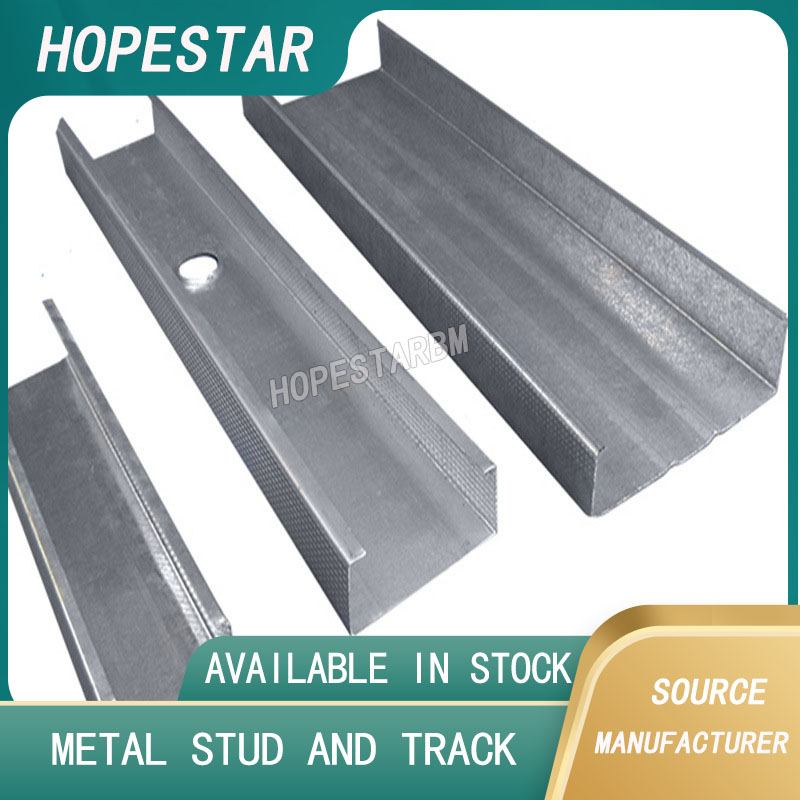
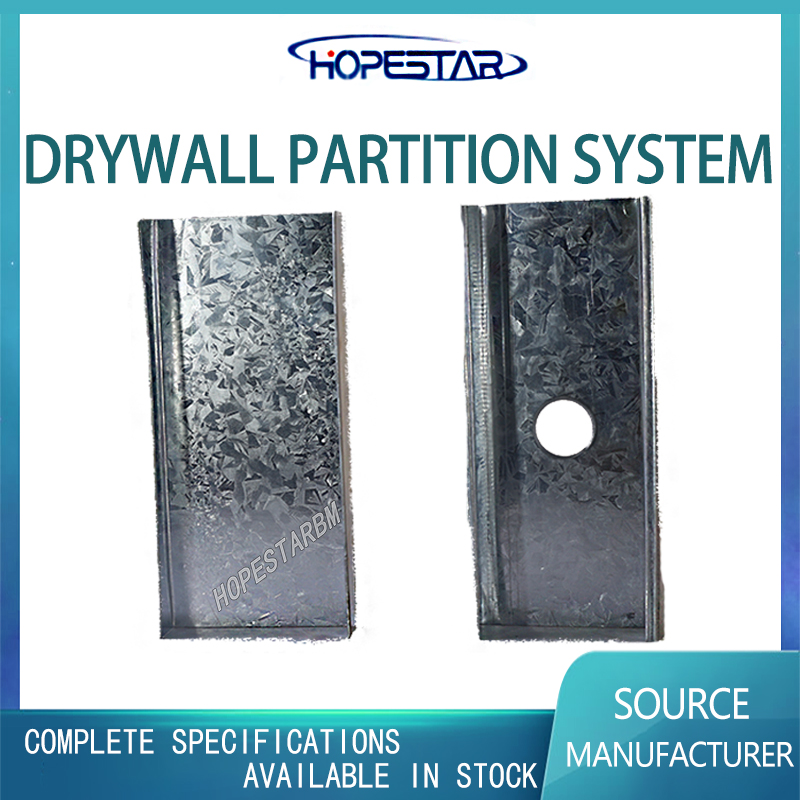
Galvanized studs are cold-formed vertical steel framing members coated with a protective zinc layer, designed to serve as the primary vertical support for drywall partition walls, facade enclosures, and light structural assemblies. Unlike ordinary uncoated steel studs that oxidize rapidly in humid air,
Galvanized Studs: Cold-Formed Studs for Long-Lasting Wall Framing
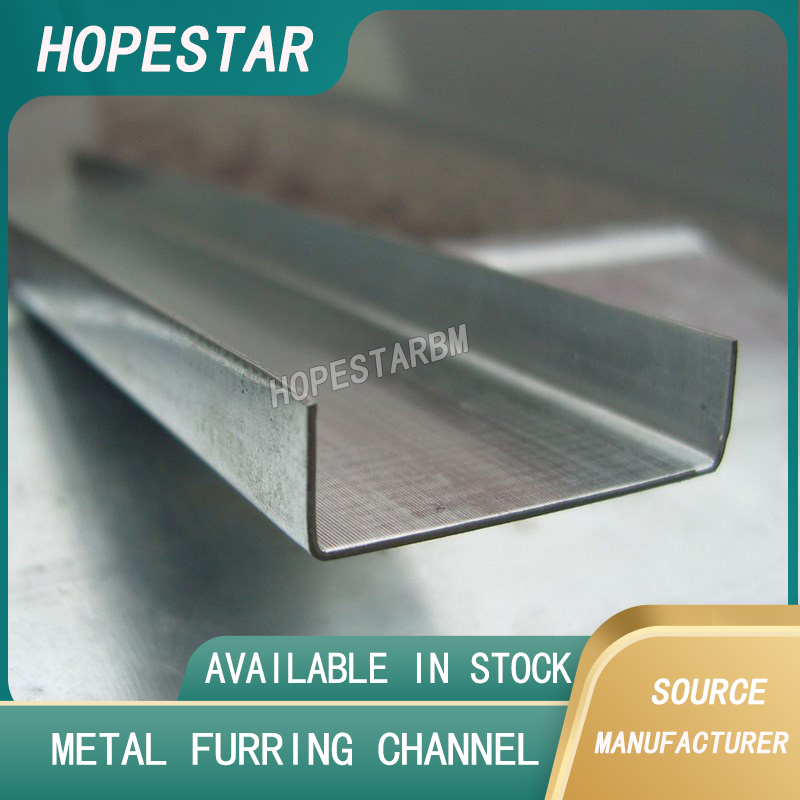
A drywall channel is a dedicated lightweight galvanized steel profile designed exclusively for drywall plasterboard installation, serving as the critical intermediate support layer between building structural substrates and drywall panels. Unlike general structural steel channels that focus on heavy
Drywall Channel: Galvanized Furring & Resilient Channels for Flawless Drywall Finishing & Sound Insulation
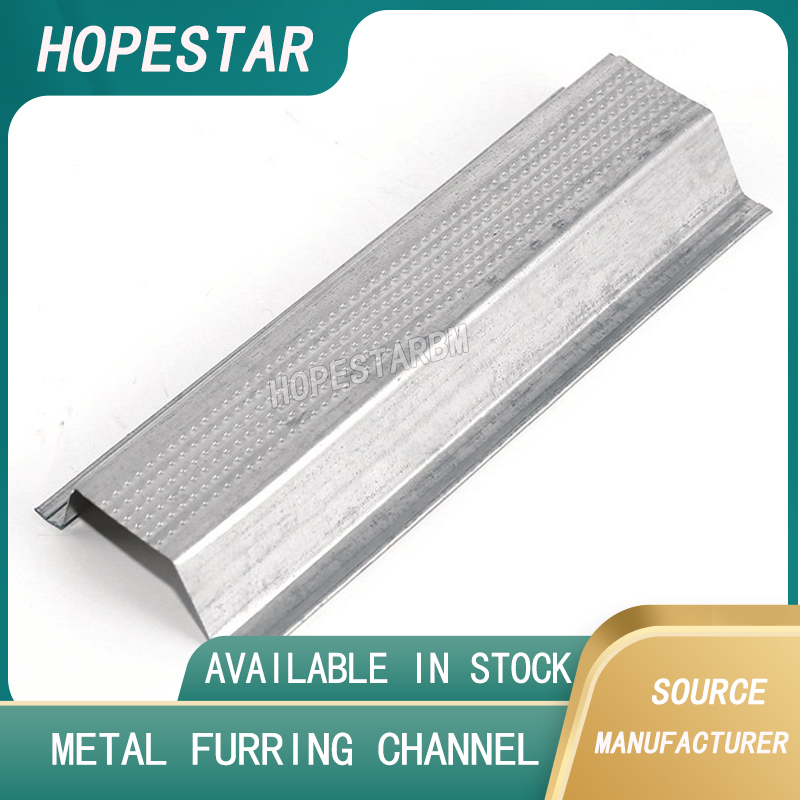
Steel C channel is a standard open-section structural steel profile with a distinctive asymmetrical C-shaped cross-section, widely recognized as a cost-effective core component in industrial manufacturing, civil construction, and mechanical engineering. Unlike galvanized C channels
Steel C Channel: Versatile Hot & Cold Rolled Structural Channel for Industrial & Civil Engineering
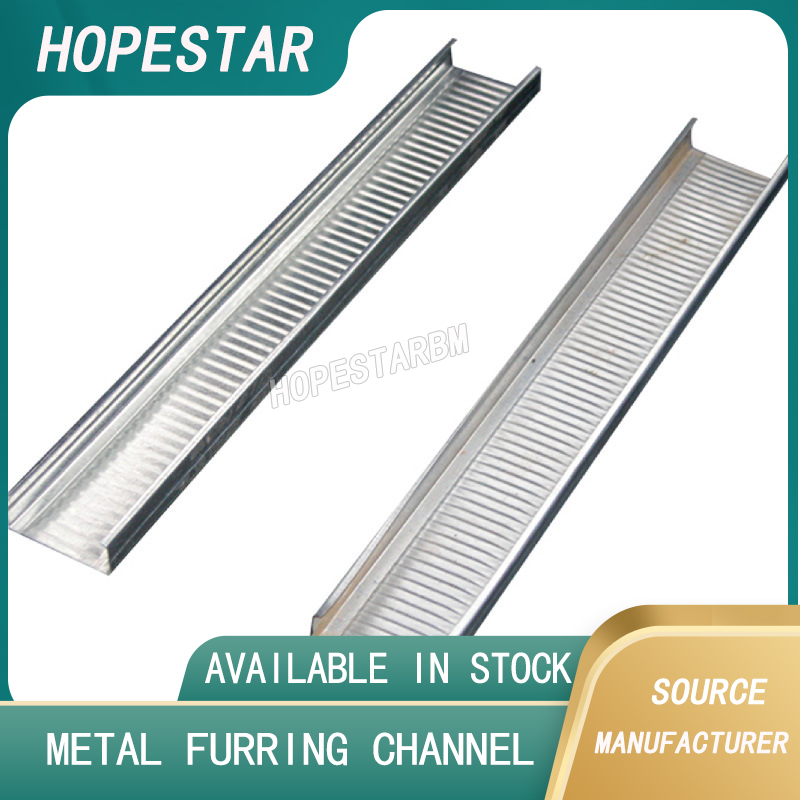
Metal studs and tracks are matched cold-formed galvanized steel framing components that form the foundational skeleton of modern interior partition walls, ceiling enclosures, and light exterior cladding systems. Unlike single steel profiles, they function as a complete structural assembly
Metal Studs and Tracks: High-Precision Cold-Formed Steel Framing for Modern Partition Systems