
What Is Metal Furring Channel? Uses, Benefits and Installation Guide
2026-09-28
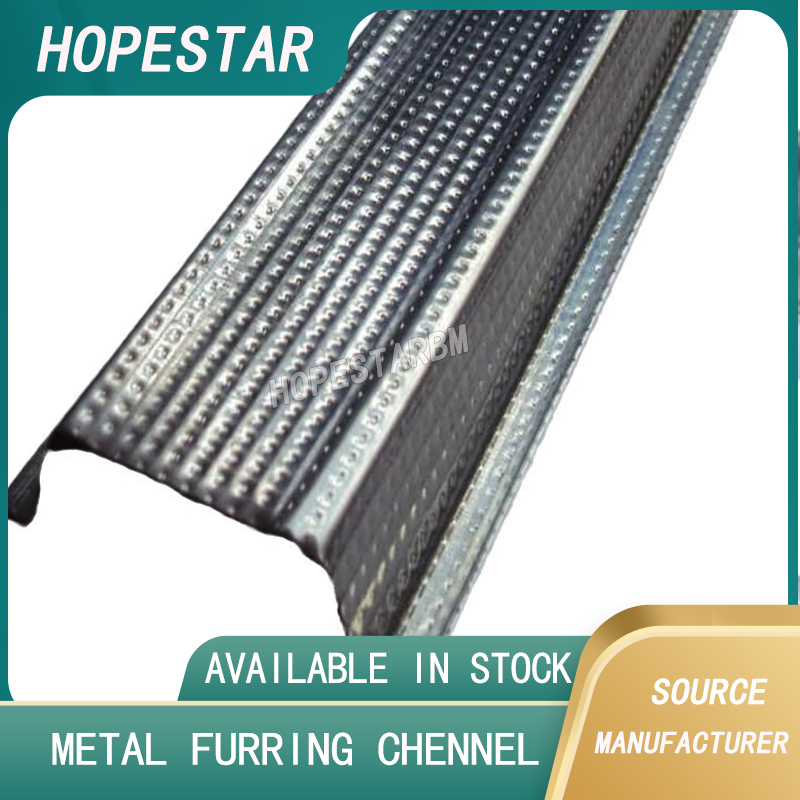
A metal furring channel is a lightweight, cold-formed galvanized steel structural profile widely used in modern ceiling and wall construction. Also known as hat channel or furring stud, this essential building component creates a flat, level framing base for drywall, ceiling panels, cladding, and insulation materials. For residential renovations, commercial building projects, and industrial interior finishing, metal furring channel serves as a reliable secondary framing system that improves surface flatness, structural stability, and overall construction quality.
To understand what a metal furring channel is, it is vital to know its core function. Unlike solid steel beams or heavy joists, metal furring channel features a unique open-profile, hat-shaped design. It is installed horizontally across main ceiling runners or vertically on wall studs to “fur out” uneven surfaces. This process levels irregular substrates, eliminates gaps, and provides a sturdy mounting platform for finishing materials. Most metal furring channels are made of hot-dip galvanized steel, which adds a protective zinc layer to prevent rust, corrosion, and moisture damage in long-term use.
One of the biggest reasons contractors prefer metal furring channel over traditional wooden furring strips is its superior durability and stability. Wood furring is prone to warping, shrinking, mold growth, and termite infestations, especially in humid indoor environments. In contrast, metal furring channel maintains its original shape and flatness in all weather and humidity conditions. It does not sag, bend, or deform, ensuring smooth, crack-free drywall and ceiling surfaces for decades. Additionally, metal furring channel is non-combustible and fire-rated, fully complying with modern building fire safety codes and greatly improving interior fire resistance.
Structural performance and load-bearing capacity are key advantages of metal furring channel. Despite its lightweight design, it offers excellent tensile strength and uniform weight distribution. It can securely support gypsum boards, acoustic panels, LED lighting fixtures, ventilation systems, and suspended decorative elements without structural failure. The standardized profile design allows even force dispersion, effectively solving common construction problems such as local ceiling depression and drywall cracking caused by uneven stress.
Versatile application scenarios further highlight the value of metal furring channel. In residential construction, it is commonly used for living room ceilings, bedroom suspended ceilings, basement wall finishing, and partition wall framing, delivering neat and smooth interior surfaces. In commercial spaces including offices, shopping malls, hotels, schools, and hospitals, metal furring channel is the mainstream framing material for large-area suspended ceilings. Its moisture-proof, dust-proof, and hygienic properties make it ideal for high-standard public and healthcare environments. It also works perfectly for industrial warehouses and factory interior renovations due to its strong adaptability to harsh conditions.
Construction efficiency and cost-effectiveness make metal furring channel a top choice for builders. Its lightweight prefabricated structure is easy to cut, adjust, splice, and install, significantly shortening construction cycles and reducing labor costs. The modular installation method minimizes material waste and allows flexible layout adjustments according to architectural designs. Moreover, metal furring channel requires almost no daily maintenance, avoiding frequent repairs and replacements needed for wooden frames, effectively lowering long-term operation costs of buildings.
For optimal results, users should select high-quality galvanized metal furring channel with uniform zinc coating and smooth surfaces. Reasonable installation spacing and professional construction techniques are essential to guarantee overall ceiling flatness and structural safety.
In conclusion, metal furring channel is an indispensable foundational material for modern interior construction. With outstanding durability, fire resistance, stable performance, wide adaptability, and high cost performance, it has replaced traditional wood furring and become the standard solution for high-quality ceiling and wall framing projects worldwide.
What Is Omega Furring Channel? Features, Uses and Installation Benefits
Ceiling Steel: Benefits, Types and Best Applications for Modern Buildings
Related Article

Steel U channel is a fundamental hot-rolled or cold-formed structural steel material featuring a distinct U-shaped cross-section. As one of the most widely used metal profiles in modern construction, manufacturing, and interior engineering, steel U channel delivers exceptional structural strength,
Steel U Channel: Key Uses, Benefits and Specifications for Construction
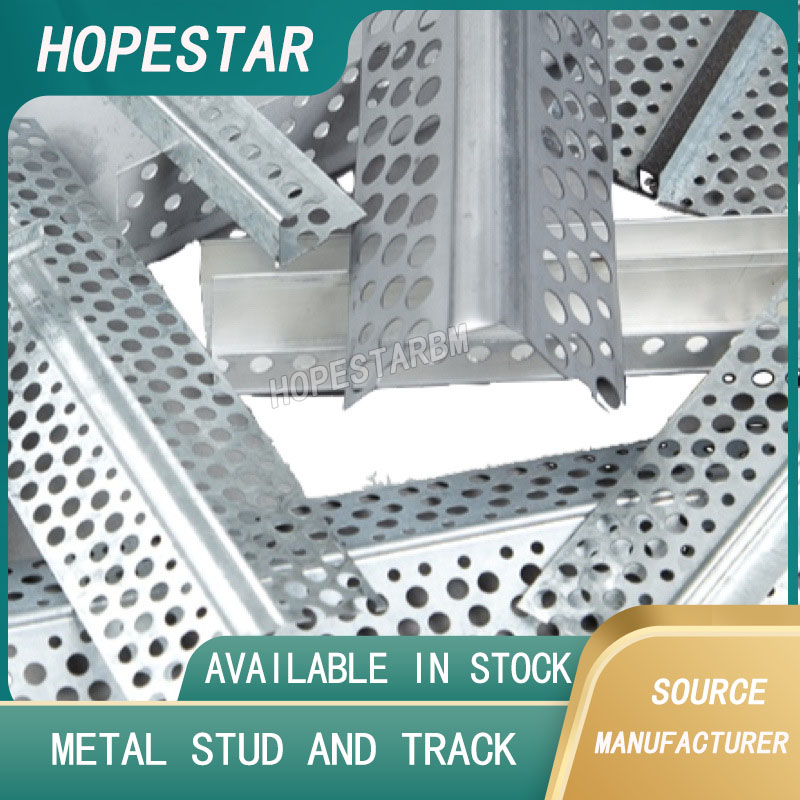
An omega furring channel is a specialized galvanized steel framing component widely used in modern ceiling and wall finishing projects. Named after its unique omega-shaped profile, this lightweight metal furring system serves as a critical secondary framing structure for
What Is Omega Furring Channel? Features, Uses and Installation Benefits
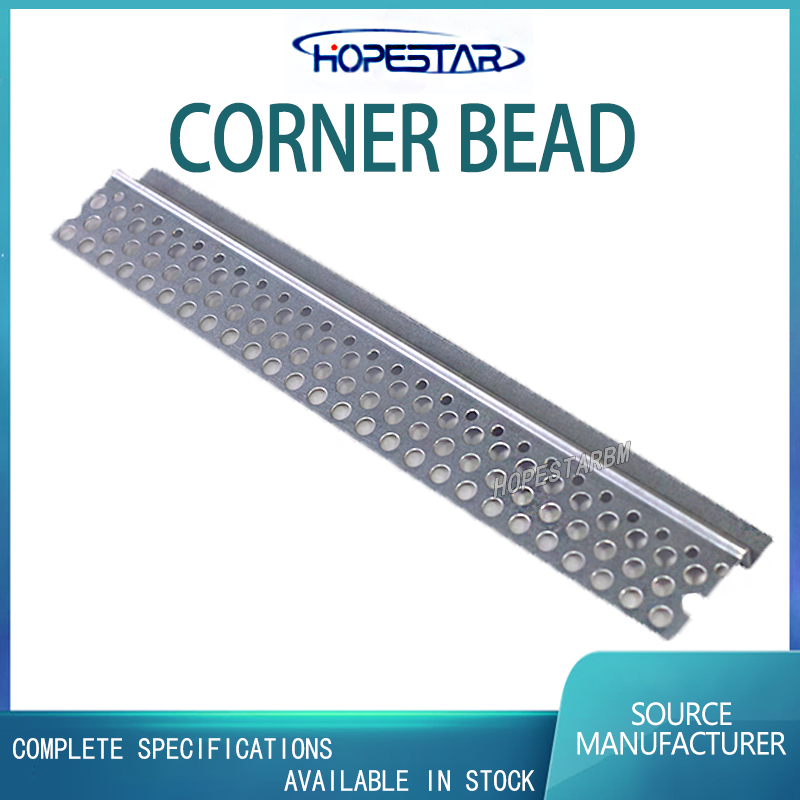
Ceiling steel is the foundational structural and decorative metal material widely used in modern residential, commercial, and industrial ceiling systems. As a high-performance alternative to traditional gypsum, wood, and plastic ceiling materials, ceiling steel delivers unmatched structural
Ceiling Steel: Benefits, Types and Best Applications for Modern Buildings
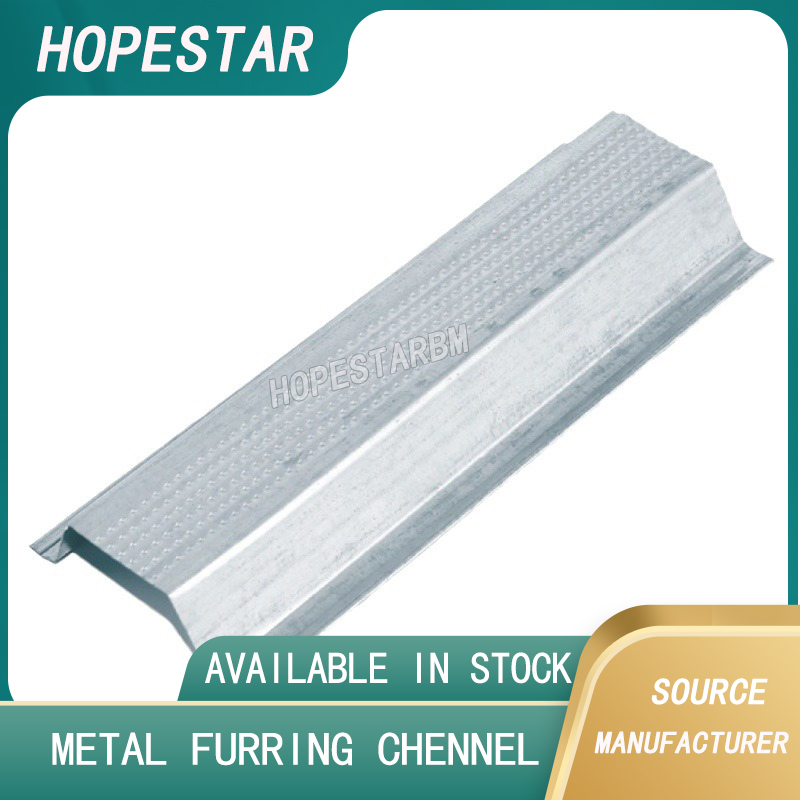
A hat track ceiling is one of the most versatile, durable, and cost-effective overhead solutions for residential, commercial, and industrial spaces. Also known as hat channel ceiling track, this specialized framing system features a unique hat-shaped profile that delivers exceptional structural stability,
Hat Track Ceiling: The Ultimate Guide to Stylish and Functional Ceiling Track Systems