
Ceiling Steel: Benefits, Types and Best Applications for Modern Buildings
2026-09-28
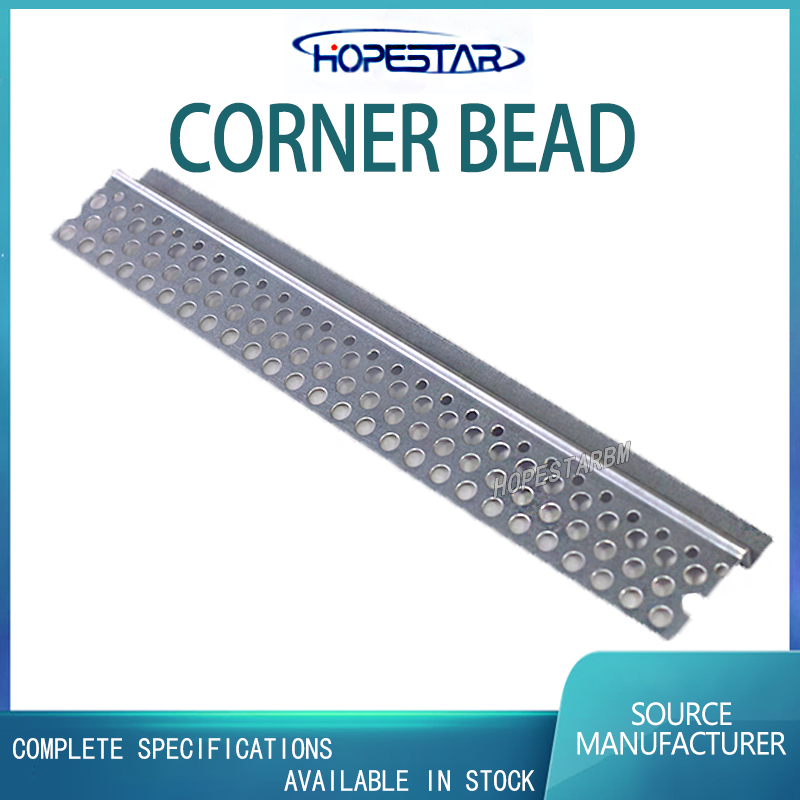
Ceiling steel is the foundational structural and decorative metal material widely used in modern residential, commercial, and industrial ceiling systems. As a high-performance alternative to traditional gypsum, wood, and plastic ceiling materials, ceiling steel delivers unmatched structural stability, long-term durability, and versatile design flexibility. For architects, contractors, and property owners, choosing premium ceiling steel ensures safer, cleaner, and more cost-effective ceiling solutions for all types of construction and renovation projects.
To define it simply, ceiling steel refers to galvanized or stainless steel profiles, frames, tracks, and panels specially engineered for overhead interior installations. Common forms include light steel keels, ceiling channels, hat tracks, and modular steel ceiling panels. Most ceiling steel products adopt hot-dip galvanization treatment, forming a protective zinc layer that effectively resists rust, corrosion, and moisture damage. This core feature distinguishes ceiling steel from conventional ceiling materials, which are prone to mold, deformation, and aging in humid or high-traffic environments.
One of the most prominent advantages of ceiling steel is its superior safety performance. Ceiling steel is non-combustible and features excellent fire resistance, meeting strict building fire safety standards. Unlike wooden frames or gypsum boards that may soften or collapse under high temperatures, ceiling steel maintains stable structural integrity during a fire, preventing ceiling collapse and slowing fire spread. Additionally, it boasts high load-bearing capacity and tensile strength, effectively supporting ceiling panels, lighting fixtures, air ducts, and suspended equipment without sagging or warping after long-term use.
Durability and low maintenance are another core strength of ceiling steel. High-quality ceiling steel can serve 20 to 30 years with minimal upkeep. Its smooth, non-porous surface repels dust, stains, and mold, making daily cleaning effortless. It is highly resistant to temperature fluctuations, dampness, and termite infestations, common issues that damage traditional ceiling structures. For commercial spaces and industrial buildings with strict hygiene requirements, such as hospitals, laboratories, and food factories, ceiling steel is the ideal choice thanks to its sanitizable and pollution-free properties.
Ceiling steel also excels in construction efficiency and design diversity. Lightweight yet sturdy, ceiling steel components are easy to cut, splice, and install, greatly shortening construction cycles and reducing labor costs. The standardized modular design ensures flat, seamless, and neat ceiling finishes. Meanwhile, ceiling steel supports diversified customization, including different sizes, thicknesses, and surface finishes like matte, brushed, and coated colors. It adapts perfectly to minimalist, industrial, and modern interior styles, balancing structural practicality and aesthetic decoration.
Widely applicable across all scenarios, ceiling steel covers residential houses, office buildings, shopping malls, restaurants, schools, warehouses, and factory workshops. In residential renovations, it creates flat and tidy ceilings while concealing wires and pipelines. In commercial and industrial fields, it adapts to large-span ceilings and harsh working environments, ensuring long-term stable operation of building overhead systems.
When selecting ceiling steel, prioritize high-purity galvanized or stainless steel materials with uniform zinc coating and smooth surfaces. Avoid low-quality thin steel that cannot bear loads or resist corrosion. Professional standardized installation is essential to ensure overall ceiling flatness and structural safety.
In summary, ceiling steel is an indispensable core material for modern building ceilings. With outstanding safety, durability, low maintenance, flexible design, and high cost performance, it surpasses traditional ceiling materials and has become the mainstream choice for new construction and renovation projects worldwide.
What Is Metal Furring Channel? Uses, Benefits and Installation Guide
Hat Track Ceiling: The Ultimate Guide to Stylish and Functional Ceiling Track Systems
Related Article

Steel U channel is a fundamental hot-rolled or cold-formed structural steel material featuring a distinct U-shaped cross-section. As one of the most widely used metal profiles in modern construction, manufacturing, and interior engineering, steel U channel delivers exceptional structural strength,
Steel U Channel: Key Uses, Benefits and Specifications for Construction
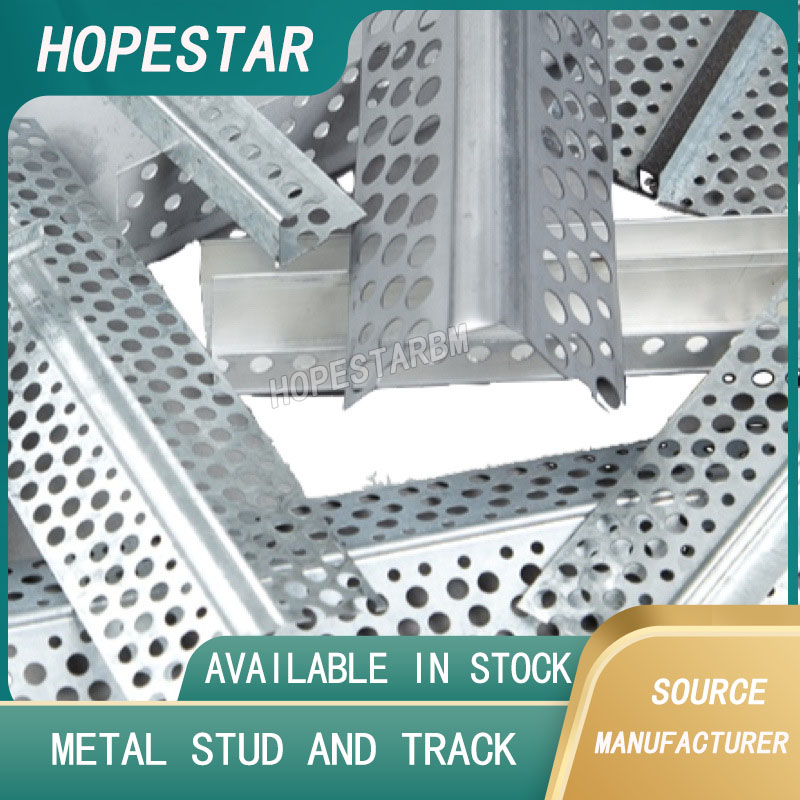
An omega furring channel is a specialized galvanized steel framing component widely used in modern ceiling and wall finishing projects. Named after its unique omega-shaped profile, this lightweight metal furring system serves as a critical secondary framing structure for
What Is Omega Furring Channel? Features, Uses and Installation Benefits
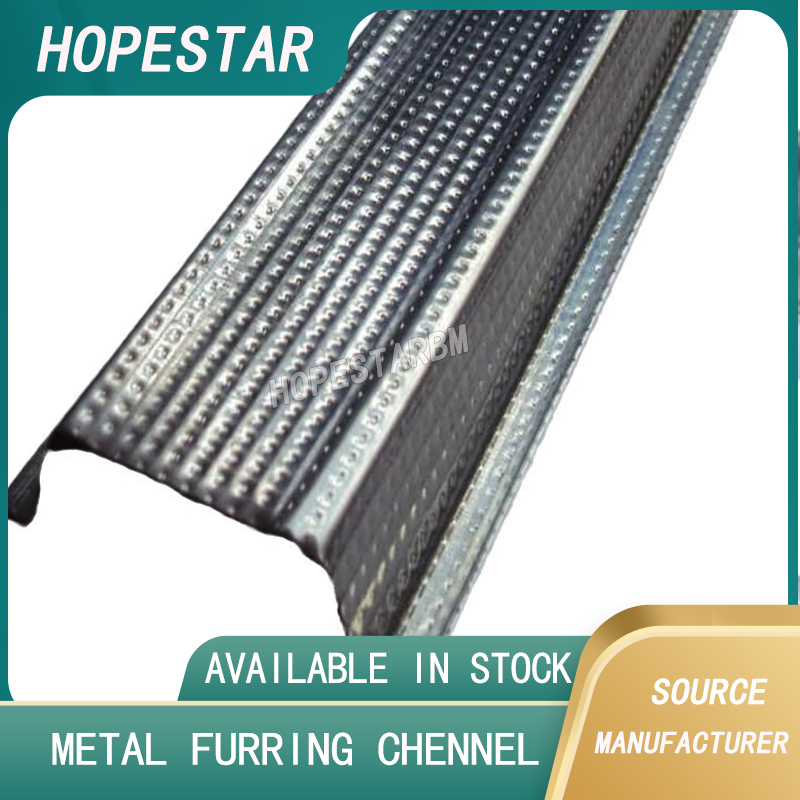
A metal furring channel is a lightweight, cold-formed galvanized steel structural profile widely used in modern ceiling and wall construction. Also known as hat channel or furring stud, this essential building component creates a flat, level framing base for drywall, ceiling panels, cladding,
What Is Metal Furring Channel? Uses, Benefits and Installation Guide
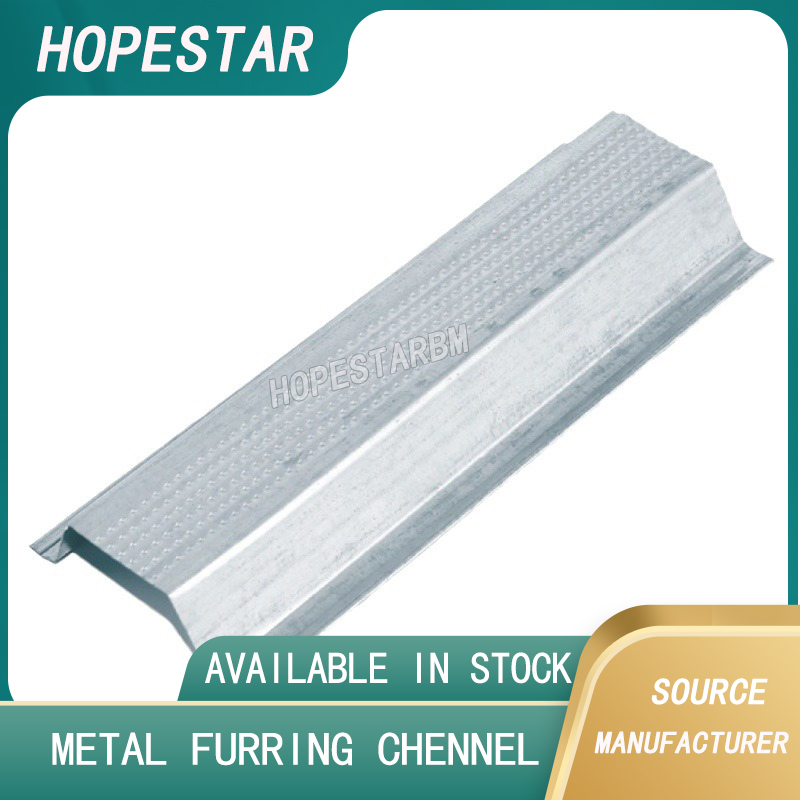
A hat track ceiling is one of the most versatile, durable, and cost-effective overhead solutions for residential, commercial, and industrial spaces. Also known as hat channel ceiling track, this specialized framing system features a unique hat-shaped profile that delivers exceptional structural stability,
Hat Track Ceiling: The Ultimate Guide to Stylish and Functional Ceiling Track Systems