
What Is 16mm Ceiling Battens Bunnings
2022-12-06
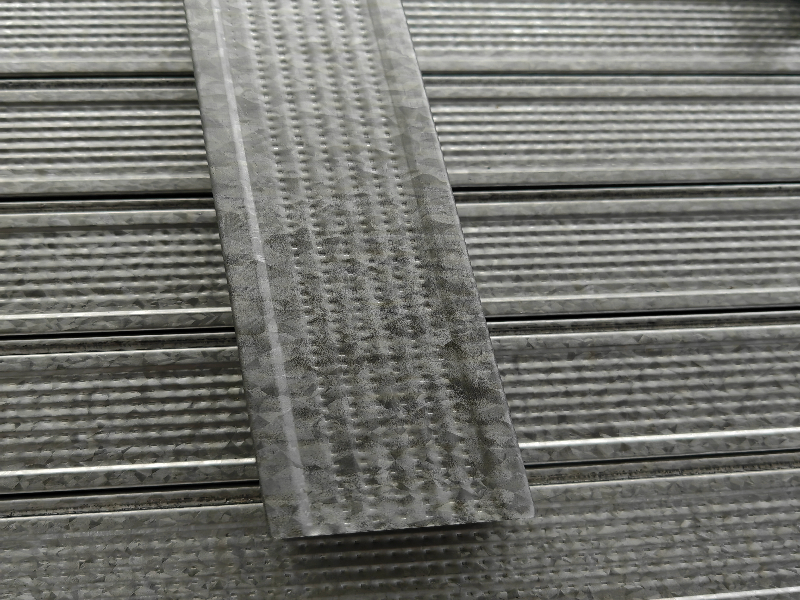
What Is 16mm Ceiling Battens Bunnings.Reduce construction time with Hopestar nogging brackets
Some types of buildings require extensive use of timber noggings in steel stud walls,such as hospitals,aged care facilities,hotels and schools.The reason why architects specify timber noggings is to provide a suitable fixing point for wall-mounted fixtures that are installed after the plastering process is complete.
Such fixtures include hand rails,wall-mounted cupboards and shelving,and plumbing fittings.Traditional fixing methods for timber noggings in steel stud walls include cutting each length exactly to size to go between the studs,notching the timber to go over the stud lip and using packing materials to get the front edge of the noggings to come flush with the face of the wall studs.All these processes are labor-intensive and require skilled workmanship to accomplish.
The range of Hopestar®nogging brackets de-skills the process and provides a high-strength fixing in a fraction of the time.Nogging brackets are fixed to the flange of the wall stud and the timber nogging is then screw fixed through the rear of the bracket,providing a strong and secure fixing point for all types of fixtures and fittings.
The versatility of the Hopestar nogging brackets is unmatched by any other product,with many benefits available to the site installer:
Wide fixing flange to allow for variations to timber length
Suitable for 18mm plywood and 35mm pine studs
Pre-punched for fast,easy fixing
Made from Bluescope Z275 galvanized steel
Ultra-slim design to minimize plasterboard disturbance
Long runs of noggings accomplished quickly with‘intermediate’bracket with two flanges
Let’s grow together.We have advanced production equipment,leading production techniques,and strictly quality control.And We manufacture products from high-quality steel coils,products,and sales service make as your one-stop decoration construction supply shop.Hopestar Building is the senior steel manufacturer,the factory has more than 50 sets of production lines for galvanized steel profiles,T grid,and Accessories.The annual product quantity is 20,000 Tons.The factory has developed business with South America,Europe,Africa,and Oceania.we supply and have a commitment to making customers’projects a reality.
Ceiling steel profile scope of Use
Furring Channel Strength
Related Article
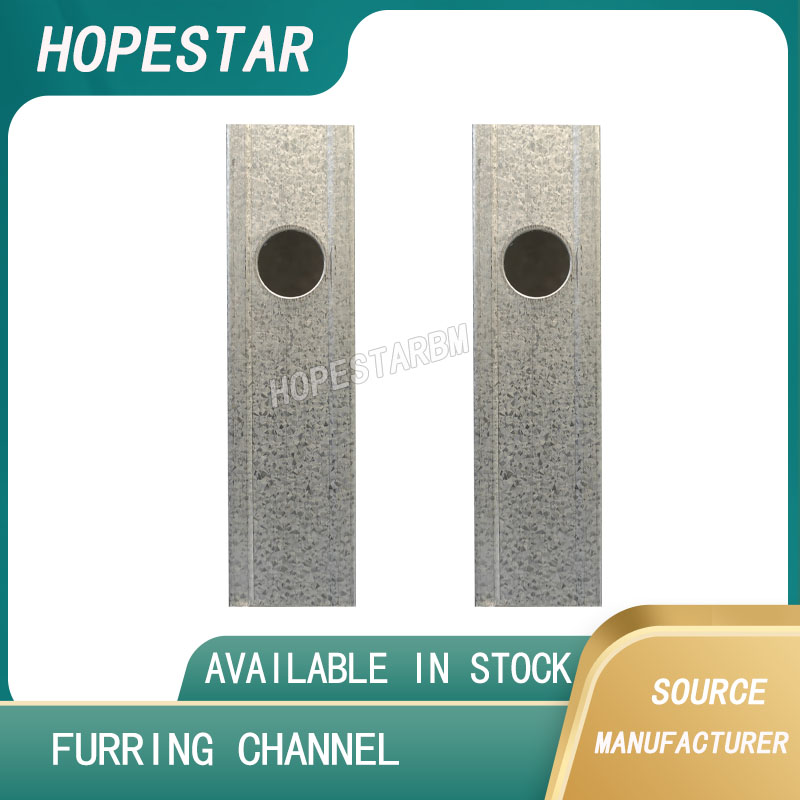
Ceiling wall angle, also known as perimeter angle or L-angle, is an indispensable L-shaped metal profile for suspended drywall ceiling systems. Roll-formed from cold-rolled galvanized steel, ceiling wall angle is fixed along the wall perimeter to support the ends of main channels and furring channels,
Ceiling Wall Angle – Galvanized L-Shaped Perimeter Trim for Suspended Drywall Ceilings
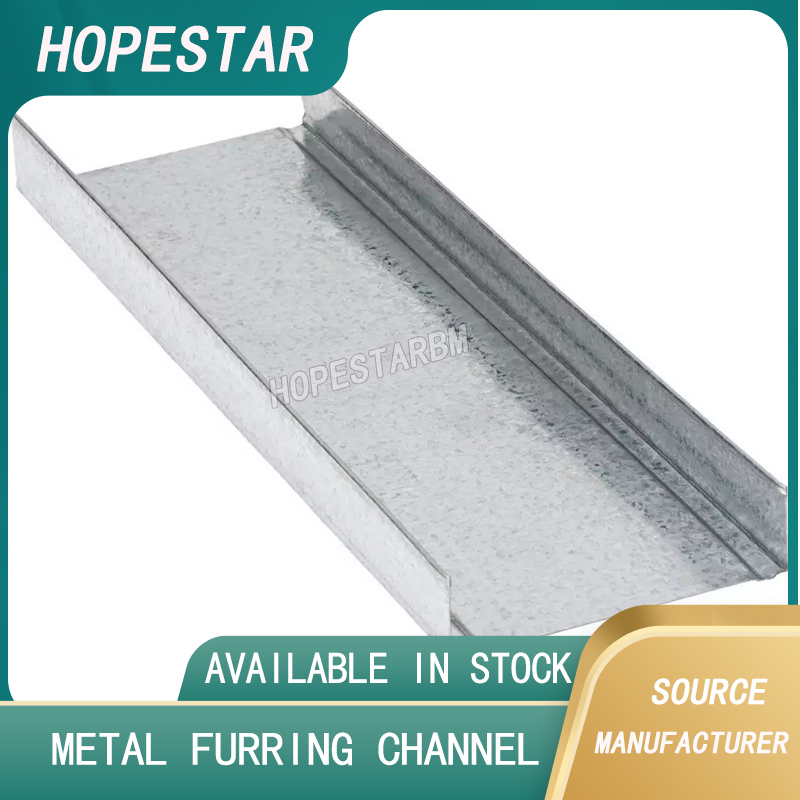
Galvanized steel profiles are the foundational metal framing components widely used in modern interior construction. Roll-formed from cold-rolled steel coated with protective zinc layer, galvanized steel profiles cover a full range of shapes including C studs, U tracks, omega channels,
Galvanized Steel Profiles – Reliable Cold Rolled Framing for Drywall Walls and Ceilings

Metal furring channel for ceiling is a vital secondary framing component widely used in suspended ceiling and drywall ceiling systems. Roll-formed from cold-rolled galvanized steel, this lightweight metal profile works together with main channels, hangers and wall angles to create a level,
Metal Furring Channel for Ceiling – Galvanized Secondary Framing for Suspended Drywall Ceilings

Metal omega channel, also widely called omega furring channel or hat channel, is an indispensable secondary metal framing profile for modern suspended ceilings and drywall wall furring systems. Named after its distinctive Ω shape, this profile is roll-formed from cold-rolled galvanized steel
Metal Omega Channel – Galvanized Omega Furring Channel for Drywall Ceiling and Wall Framing