
what is a hat channel
2024-07-01
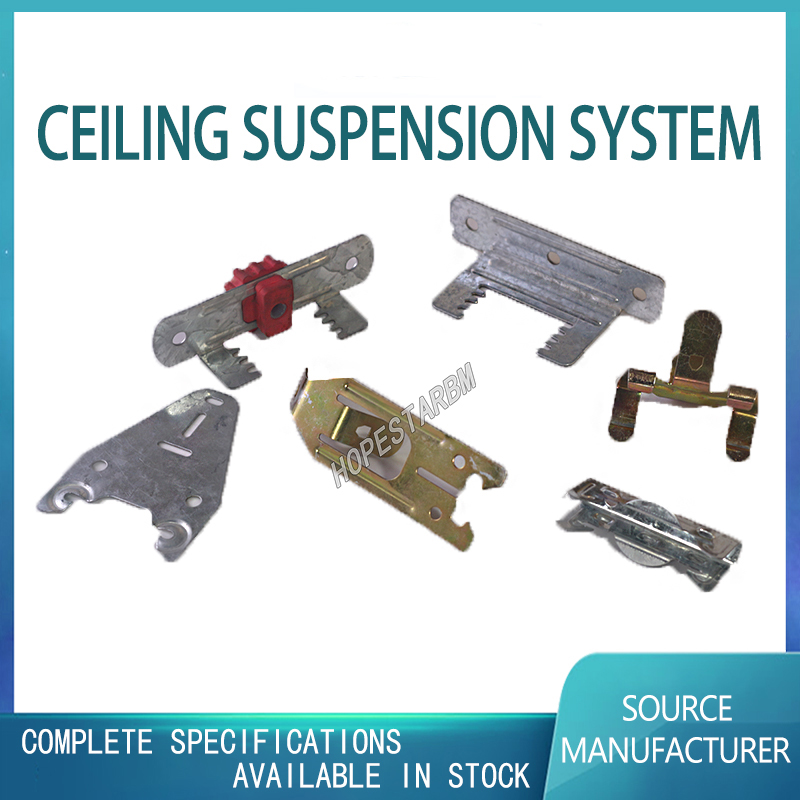
When we talk about "hat channel", many people may feel confused because this term is not commonly used in daily conversations or mainstream media. However, in specific industry sectors such as architecture, civil engineering, and hydraulic engineering, "hat channel" is an important and indispensable structural element. Next, we will explore in detail the definition, function, application, and importance of "hat channel" in the field of engineering.
1、 Definition and Structure
"Hat channel" is a special shaped metal structural component with a cross-sectional shape similar to the letter "H". This type of structural component is usually made by hot rolling or cold bending process, and has the characteristics of high strength, corrosion resistance, and easy installation. The main components of the Hat channel include two parallel flanges and a vertical web. The flanges are located on both sides of the structure, used to connect other components or support loads, while the web is located between the two flanges, serving as a connection and stability.
2、 Features and Applications
1. Load bearing function: Hat channel mainly plays a load-bearing role in engineering. Its high strength and stability make it an indispensable component of engineering structures such as bridges, buildings, and tunnels. By cooperating with other structural components such as steel plates and concrete, the hat channel can effectively withstand various loads, ensuring the stability and safety of the project.
2. Connection function: The flange part of the Hat channel usually has holes or notches for easy connection with other structural components. This connection method is not only simple and convenient, but also can effectively improve the overall performance of the structure. In construction and bridge engineering, hat channels are often used at the connections of components such as beams, columns, and slabs to transfer loads and enhance structural rigidity.
3. Support function: Hat channel can also be used as a support structure. In hydraulic engineering, such as embankments, water gates, and other structures, hat channels are often used as supporting components to withstand the impact and pressure of water flow. Meanwhile, due to its excellent corrosion resistance, hat channels have high durability in hydraulic structures.
3、 The importance in engineering
1. Improving structural stability: The high strength and stability of Hat channels make them important in engineering. Through reasonable design and use, hat channels can effectively improve the stability and load-bearing capacity of structures, ensuring the safety and reliability of engineering.
2. Optimize structural design: The cross-sectional shape and size of Hat channel can be customized according to engineering needs to optimize structural design. By selecting appropriate hat channel models and specifications, material consumption and costs can be reduced while meeting engineering requirements.
3. Improve construction efficiency: Hat channel has the characteristics of easy installation and disassembly, which can greatly improve construction efficiency. At the construction site, the use of prefabricated hat channel components can accelerate the construction progress and reduce the investment of manpower and material resources.
4、 Development Trends and Challenges
With the continuous development and progress of engineering technology, the application of hat channel in the field of engineering is becoming increasingly widespread. However, at the same time, it also faces some challenges and problems. For example, how to further improve the strength and durability of hat channels to meet more complex and demanding engineering requirements; How to reduce the production cost and construction difficulty of hat channels to improve their competitiveness in the market, etc.
In order to address these issues, future research and development directions will mainly focus on the following aspects: firstly, strengthening research in materials science and manufacturing technology, developing new high-strength, corrosion-resistant materials, and advanced manufacturing processes; Secondly, strengthen research on structural design and optimization techniques to improve the load-bearing capacity and stability of hat channels; The third is to strengthen research on construction technology and on-site management, and improve construction efficiency and quality.
In summary, as an important structural component in the field of engineering, the application and development of "hat channels" are of great significance for promoting the progress and development of engineering technology. Through continuous research and innovation, it is believed that hat channel will play a more important role in the future engineering field.
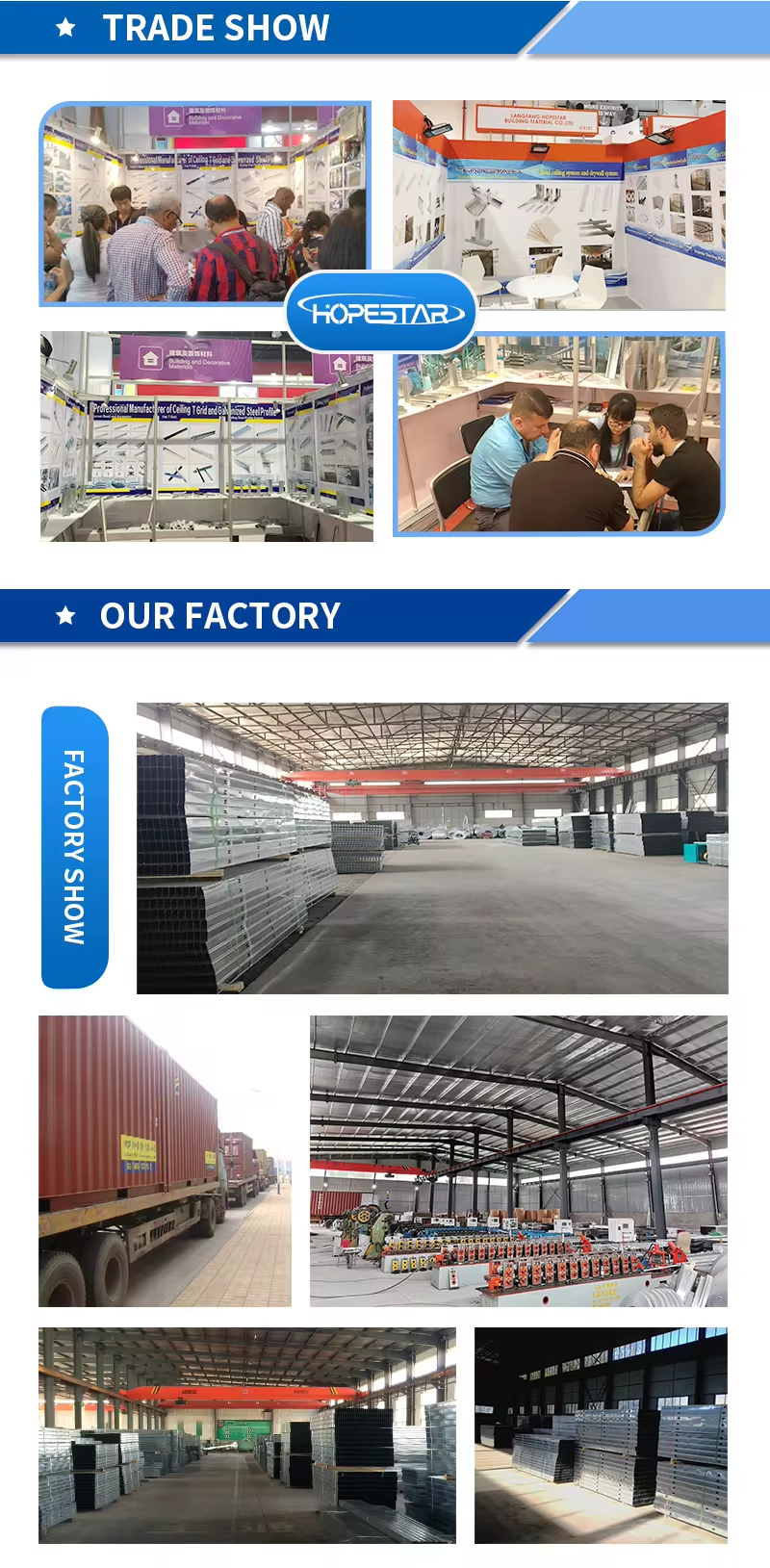
aluminum furring strips
hat track drywall
Related Article
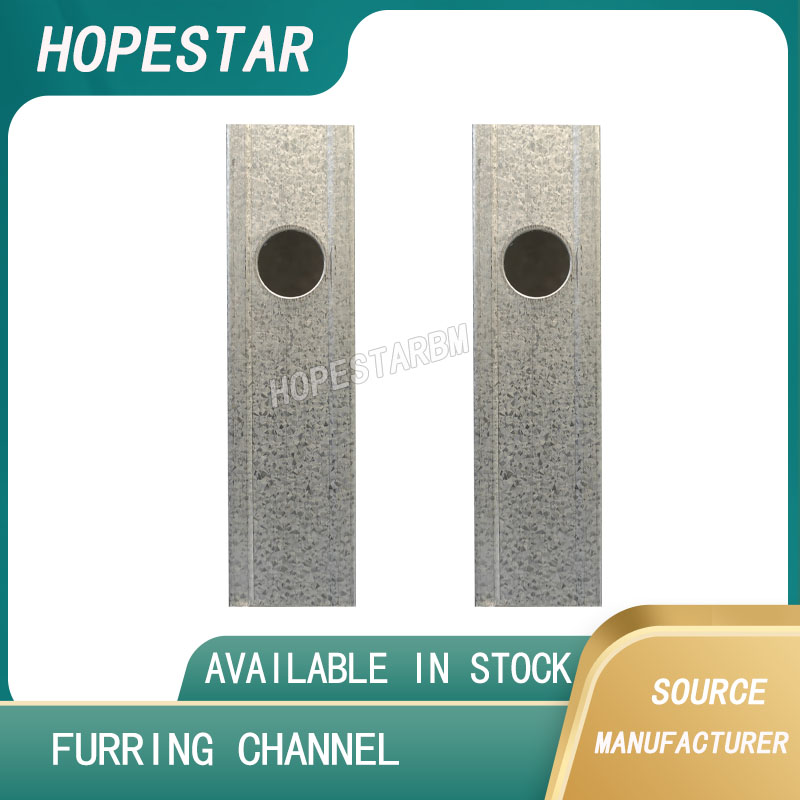
Ceiling wall angle, also known as perimeter angle or L-angle, is an indispensable L-shaped metal profile for suspended drywall ceiling systems. Roll-formed from cold-rolled galvanized steel, ceiling wall angle is fixed along the wall perimeter to support the ends of main channels and furring channels,
Ceiling Wall Angle – Galvanized L-Shaped Perimeter Trim for Suspended Drywall Ceilings
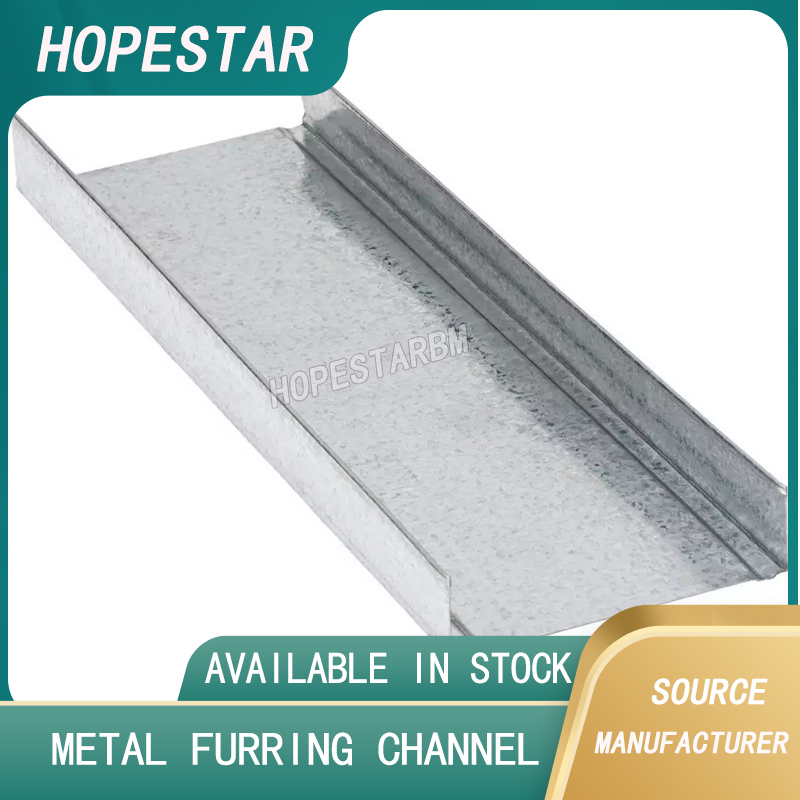
Galvanized steel profiles are the foundational metal framing components widely used in modern interior construction. Roll-formed from cold-rolled steel coated with protective zinc layer, galvanized steel profiles cover a full range of shapes including C studs, U tracks, omega channels,
Galvanized Steel Profiles – Reliable Cold Rolled Framing for Drywall Walls and Ceilings

Metal furring channel for ceiling is a vital secondary framing component widely used in suspended ceiling and drywall ceiling systems. Roll-formed from cold-rolled galvanized steel, this lightweight metal profile works together with main channels, hangers and wall angles to create a level,
Metal Furring Channel for Ceiling – Galvanized Secondary Framing for Suspended Drywall Ceilings

Metal omega channel, also widely called omega furring channel or hat channel, is an indispensable secondary metal framing profile for modern suspended ceilings and drywall wall furring systems. Named after its distinctive Ω shape, this profile is roll-formed from cold-rolled galvanized steel
Metal Omega Channel – Galvanized Omega Furring Channel for Drywall Ceiling and Wall Framing