
What is a furring channel and how to use
2024-03-21

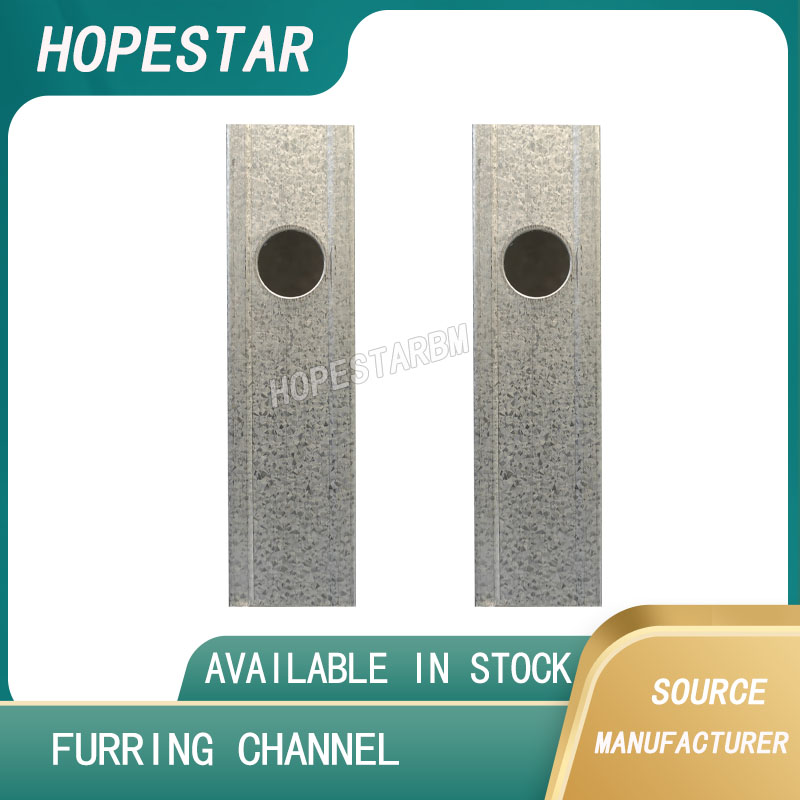
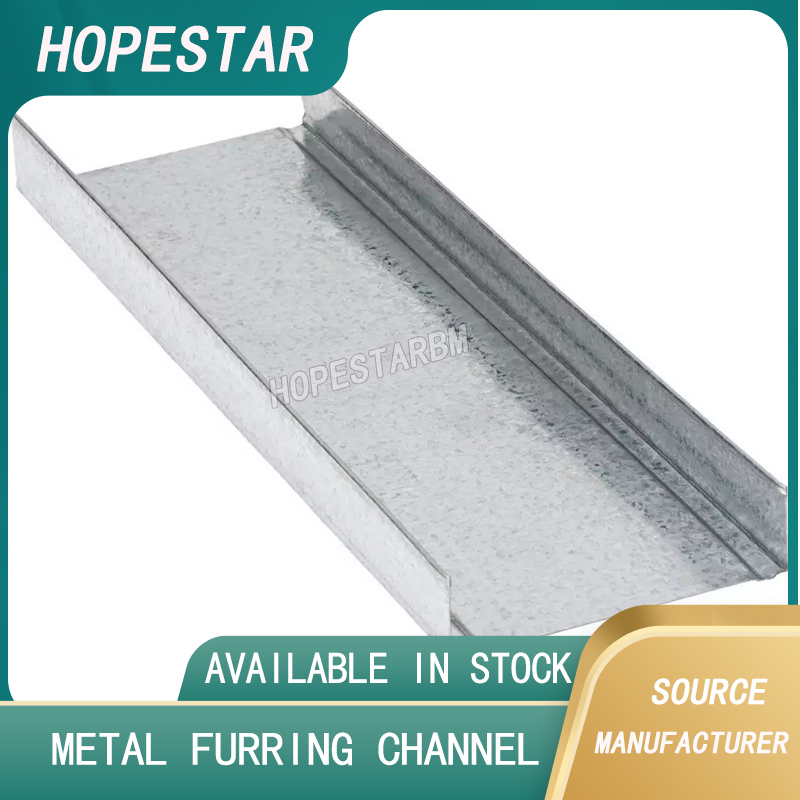
A furring channel, also known as a furring strip, is a thin wooden or metal strip that is used in construction to provide additional support and stability to walls and ceilings. It is typically installed between the studs or joists of a building's frame to create a level surface for the installation of drywall, paneling, or other finish materials.
The furring channel gets its name from the process of "furring" out a wall or ceiling, which involves adding additional layers of material to create a desired thickness or profile. The channels are secured to the studs or joists using nails, screws, or adhesive, and they provide a solid base for the installation of the finish materials.
Furring channels are commonly used in residential and commercial construction, as well as in renovation projects where existing walls or ceilings need to be leveled or strengthened. They are also used in the installation of suspended ceilings, where the channels are hung from the ceiling joists and support the grid and tiles of the suspended ceiling system.
The material used for furring channels varies depending on the specific application and the requirements of the building's design. Wooden furring channels are typically made from lumber that has been milled to a specific thickness and width, while metal furring channels are typically made from galvanized steel or aluminum.
Installation of furring channels requires careful measurement and marking of the studs or joists to ensure that the channels are installed straight and level. The channels are then secured in place using fasteners appropriate for the material being used. Once the channels are installed, they provide a solid base for the installation of the finish materials, ensuring a smooth, level surface that is both aesthetically pleasing and structurally sound.
In addition to their use in wall and ceiling construction, furring channels can also be used to create chases or voids within walls for the installation of wiring, plumbing, or other utilities. By creating a void within the wall, the furring channel allows for easy access to the utilities without the need to remove or damage the finish materials.
Overall, furring channels are an important component of many construction projects, providing additional support and stability to walls and ceilings while also facilitating the installation of finish materials and utilities. With their versatility and durability, furring channels have become a staple of the construction industry, playing a crucial role in ensuring the structural integrity and aesthetic appeal of buildings.
The price of light steel keel suspended ceiling
How to install the edge keel of light steel keel
Related Article
Ceiling wall angle, also known as perimeter angle or L-angle, is an indispensable L-shaped metal profile for suspended drywall ceiling systems. Roll-formed from cold-rolled galvanized steel, ceiling wall angle is fixed along the wall perimeter to support the ends of main channels and furring channels,
Ceiling Wall Angle – Galvanized L-Shaped Perimeter Trim for Suspended Drywall Ceilings
Galvanized steel profiles are the foundational metal framing components widely used in modern interior construction. Roll-formed from cold-rolled steel coated with protective zinc layer, galvanized steel profiles cover a full range of shapes including C studs, U tracks, omega channels,
Galvanized Steel Profiles – Reliable Cold Rolled Framing for Drywall Walls and Ceilings

Metal furring channel for ceiling is a vital secondary framing component widely used in suspended ceiling and drywall ceiling systems. Roll-formed from cold-rolled galvanized steel, this lightweight metal profile works together with main channels, hangers and wall angles to create a level,
Metal Furring Channel for Ceiling – Galvanized Secondary Framing for Suspended Drywall Ceilings

Metal omega channel, also widely called omega furring channel or hat channel, is an indispensable secondary metal framing profile for modern suspended ceilings and drywall wall furring systems. Named after its distinctive Ω shape, this profile is roll-formed from cold-rolled galvanized steel
Metal Omega Channel – Galvanized Omega Furring Channel for Drywall Ceiling and Wall Framing