
Thickness of metal furring channel
2024-07-31
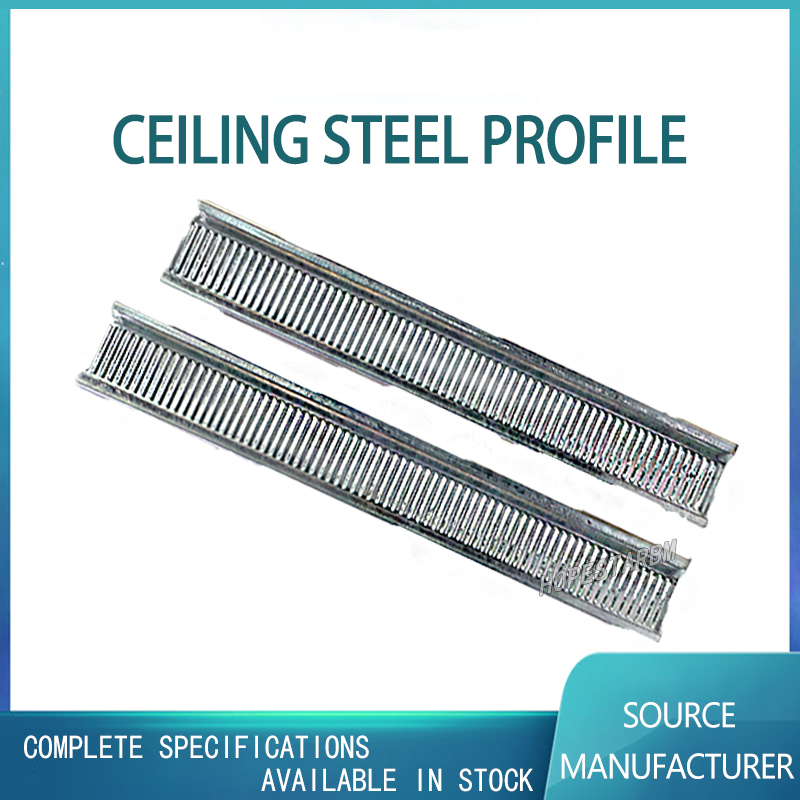
The thickness of metal furring channel is between 0.4mm and 2mm. Light steel keel materials are mainly divided into four types: 50 type, 75 type, 100 type, and 150 type, and each type means the width of the light steel keel, that is, the width of the 50 type light steel keel is 50mm. In addition, the commonly used methods for galvanizing the keel include cold galvanizing and hot-dip galvanizing.
The thickness of the main and auxiliary bones: The thickness of the main bone is usually 1.2mm, while the thickness of the auxiliary bone varies according to different specifications, for example, 0.5mm for 50 pairs of bones and 0.6mm for 60 pairs of bones.
Width of different models: Light steel keel is mainly divided into 50 models, 75 models, 100 models, 150 models, etc. These models represent the width of the keel, for example, the width of the 50 model light steel keel is 50mm.
Specification of partition keel and ceiling keel: The main specifications of partition keel are Q50, Q75, Q100, while the main specifications of ceiling keel are D38, D50, D60
Galvanizing process: Light steel keel is usually cold galvanized or hot-dip galvanized, with hot-dip galvanizing having a higher cost.
These specifications and thickness standards ensure the performance and safety of light steel keel in different building applications, while also providing clear guidance for selection and use.
What is a corner protector?
Characteristics of galvanized furring channel
Related Article
Ceiling wall angle, also known as perimeter angle or L-angle, is an indispensable L-shaped metal profile for suspended drywall ceiling systems. Roll-formed from cold-rolled galvanized steel, ceiling wall angle is fixed along the wall perimeter to support the ends of main channels and furring channels,
Ceiling Wall Angle – Galvanized L-Shaped Perimeter Trim for Suspended Drywall Ceilings
Galvanized steel profiles are the foundational metal framing components widely used in modern interior construction. Roll-formed from cold-rolled steel coated with protective zinc layer, galvanized steel profiles cover a full range of shapes including C studs, U tracks, omega channels,
Galvanized Steel Profiles – Reliable Cold Rolled Framing for Drywall Walls and Ceilings

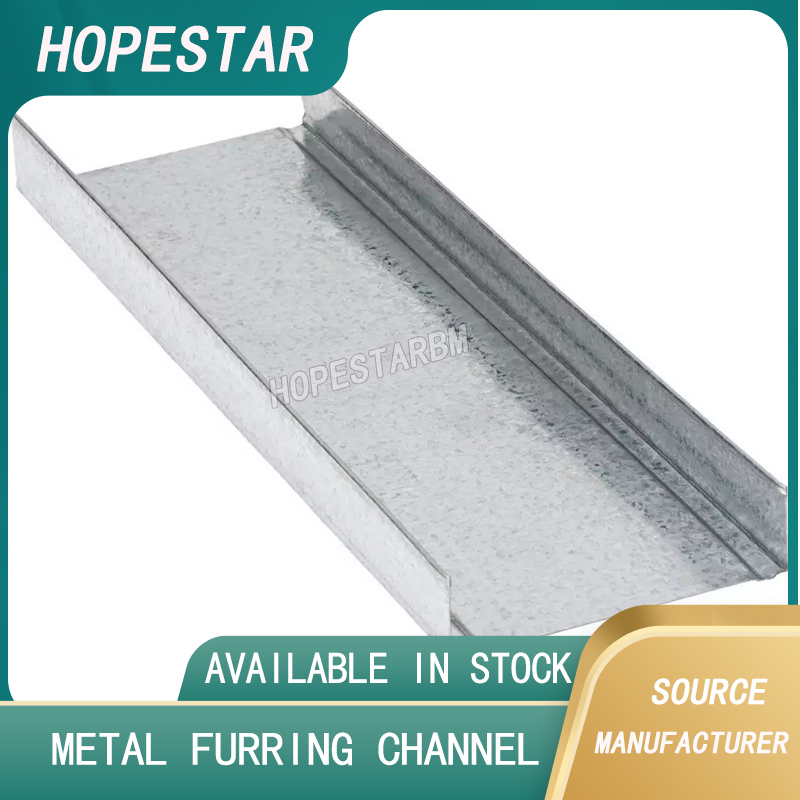
Metal furring channel for ceiling is a vital secondary framing component widely used in suspended ceiling and drywall ceiling systems. Roll-formed from cold-rolled galvanized steel, this lightweight metal profile works together with main channels, hangers and wall angles to create a level,
Metal Furring Channel for Ceiling – Galvanized Secondary Framing for Suspended Drywall Ceilings

Metal omega channel, also widely called omega furring channel or hat channel, is an indispensable secondary metal framing profile for modern suspended ceilings and drywall wall furring systems. Named after its distinctive Ω shape, this profile is roll-formed from cold-rolled galvanized steel
Metal Omega Channel – Galvanized Omega Furring Channel for Drywall Ceiling and Wall Framing