
The purpose of dry wall corner trims
2024-04-18
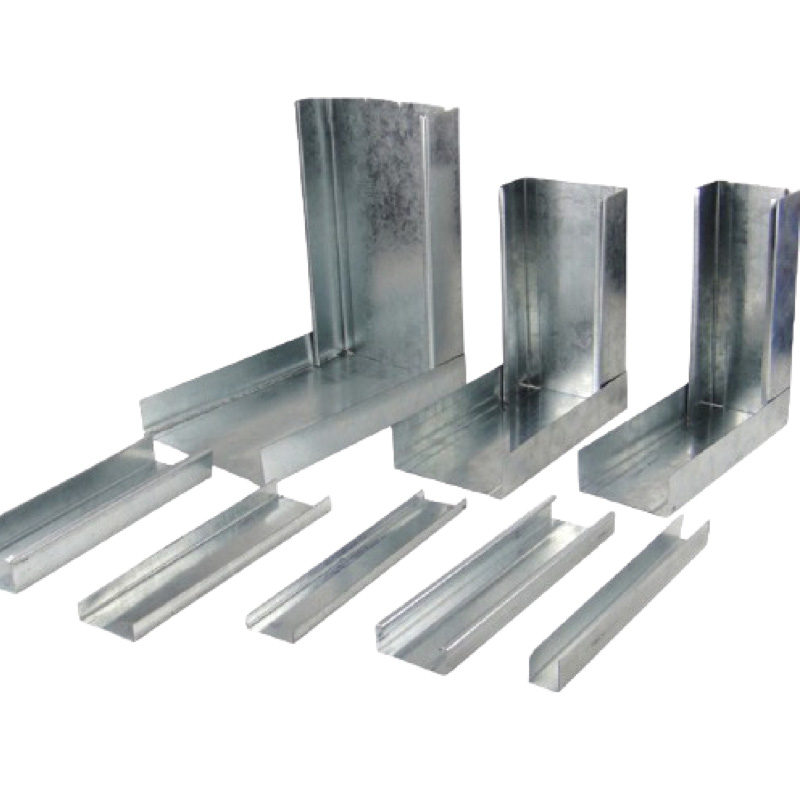
The purpose of dry wall corner trims
Dry wall corner trim, a common material in home decoration, has a wide range of uses and diverse functions. It can not only add beauty to the home space, but also improve the practicality and durability of the home to a certain extent. Below, we will explore in detail the various uses of drywall corner trims.
Firstly, the main function of drywall corner trims in home decoration is to protect and beautify the corners. Corners are often overlooked but crucial parts of home spaces. In daily life, wall corners are prone to collision and friction, and if not properly protected, they can easily be damaged. The emergence of drywall corner trims precisely solves this problem. It not only effectively prevents wall corners from being damaged, but also adds a sense of beauty to the corners through its unique design and texture.
Secondly, dry wall corner trims can also be used to conceal defects on the wall surface. During the decoration process, due to limitations in construction technology or material issues, there may be cracks or uneven areas on the wall. If these places are not treated, they not only affect the aesthetics, but may also affect the service life of the walls. At this point, dry wall corner trims can come in handy. It can effectively conceal these defects, making the wall look cleaner and more beautiful.
In addition, the dry wall corner trim also has a certain sound insulation effect. In modern society, noise pollution has become an issue that cannot be ignored. In order to create a quiet and comfortable living environment, people need to consider sound insulation during decoration. Due to its special material and structure, dry wall corner decorative strips can effectively absorb and isolate noise, creating a more peaceful living space for people.
In addition to the above purposes, dry wall corner trims can also be used for partitioning home spaces. In open home design, how to reasonably divide space has become an important issue. Dry wall corner trims can serve as an elegant partition method, dividing the space into different areas through different materials, colors, and shapes, ensuring transparency and achieving functional zoning.
Of course, the use of dry wall corner trims is not limited to the above points. In practical applications, people can also discover more uses based on their own needs and creativity. For example, it can be used as a decorative element to create personalized home styles; It can also be used as a storage tool for hanging items, etc.
Overall, drywall corner trims are a very practical home decoration material. It not only has the basic function of protecting and beautifying wall corners, but also can be used for various purposes such as concealing wall defects, sound insulation, and spatial zoning. In the process of decoration, reasonable use of dry wall corner decorative strips can not only enhance the aesthetics of the home, but also to a certain extent enhance the practicality and durability of the home. Therefore, in future home decoration, dry wall corner trims will undoubtedly continue to play their important role.
How much does the light steel keel partition wall cost per square meter
What material is the light steel keel made of
Related Article
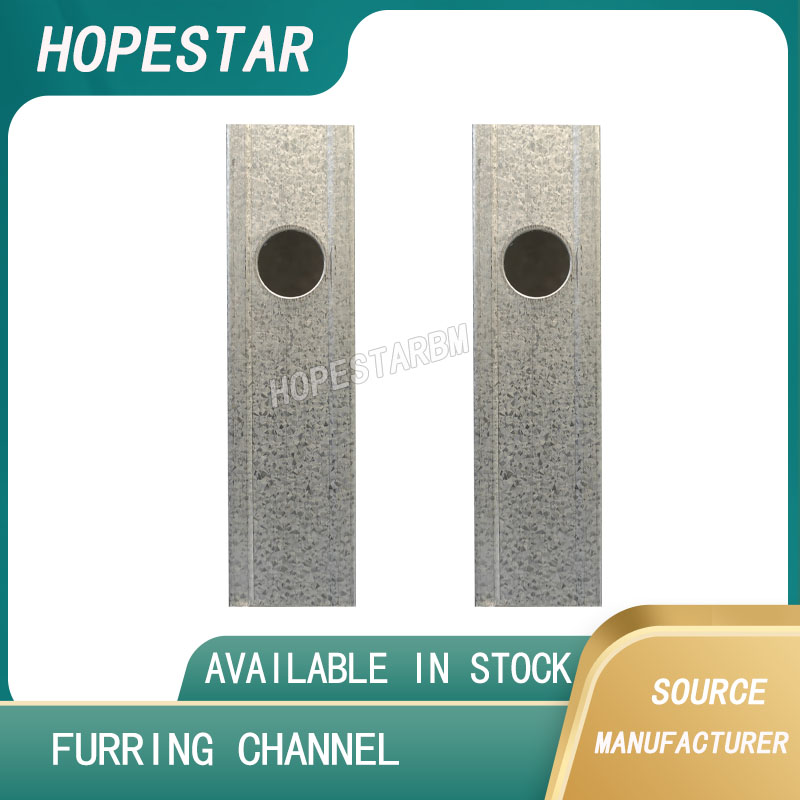
Ceiling wall angle, also known as perimeter angle or L-angle, is an indispensable L-shaped metal profile for suspended drywall ceiling systems. Roll-formed from cold-rolled galvanized steel, ceiling wall angle is fixed along the wall perimeter to support the ends of main channels and furring channels,
Ceiling Wall Angle – Galvanized L-Shaped Perimeter Trim for Suspended Drywall Ceilings
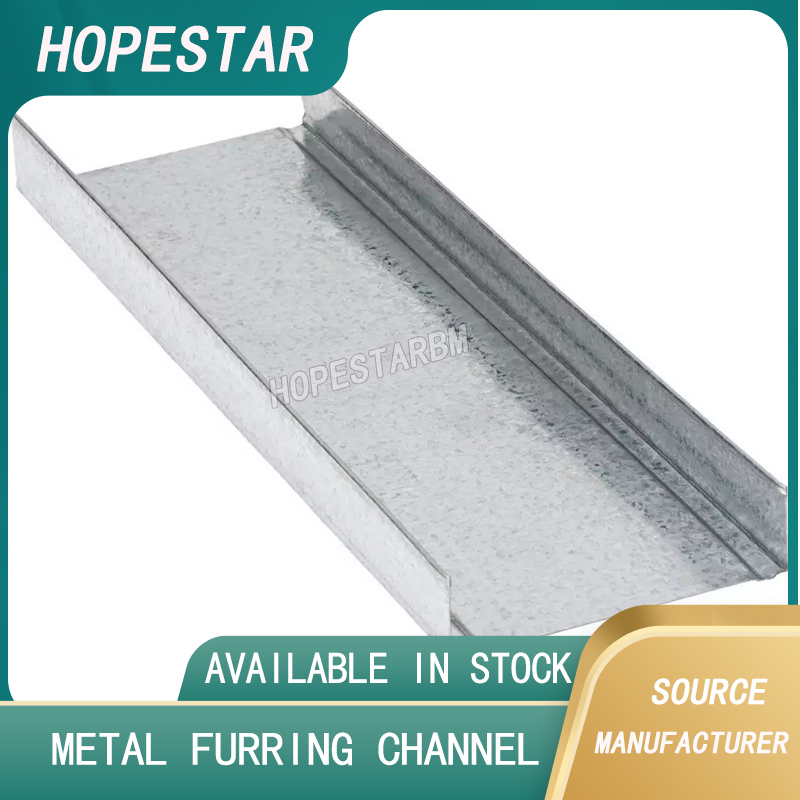
Galvanized steel profiles are the foundational metal framing components widely used in modern interior construction. Roll-formed from cold-rolled steel coated with protective zinc layer, galvanized steel profiles cover a full range of shapes including C studs, U tracks, omega channels,
Galvanized Steel Profiles – Reliable Cold Rolled Framing for Drywall Walls and Ceilings

Metal furring channel for ceiling is a vital secondary framing component widely used in suspended ceiling and drywall ceiling systems. Roll-formed from cold-rolled galvanized steel, this lightweight metal profile works together with main channels, hangers and wall angles to create a level,
Metal Furring Channel for Ceiling – Galvanized Secondary Framing for Suspended Drywall Ceilings

Metal omega channel, also widely called omega furring channel or hat channel, is an indispensable secondary metal framing profile for modern suspended ceilings and drywall wall furring systems. Named after its distinctive Ω shape, this profile is roll-formed from cold-rolled galvanized steel
Metal Omega Channel – Galvanized Omega Furring Channel for Drywall Ceiling and Wall Framing