
Metal Drywall Profiles.A common metal material
2022-10-06
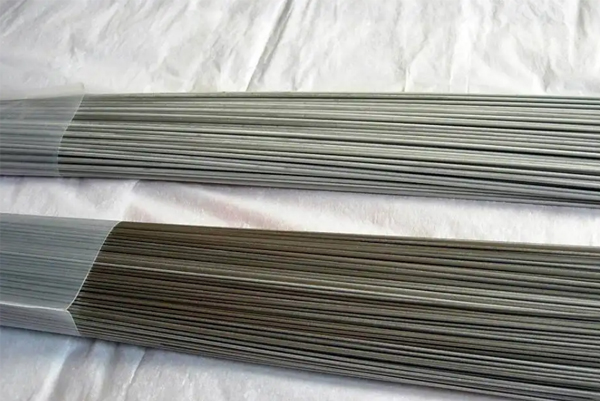
Metal Drywall Profiles.A common metal material. Engineering materials are the material basis of machinery. The performance of a machine depends on the material it uses. There are thousands of materials used in mechanical manufacturing, when we choose materials, we can not only ensure the performance, easy processing, but also economical, then we must understand these materials, understand these materials.
Properties of metal materials: in order to make more rational use of metal materials and give full play to their role, it is necessary to master the performance (service performance) of zero and components made of all kinds of metal materials under normal working conditions and the properties (technological properties) that materials should have in the process of hot and cold processing.
The properties of materials include physical properties (such as specific gravity, melting point, electrical conductivity, thermal conductivity, thermal expansion, magnetism, etc.), chemical properties (corrosion resistance, oxidation resistance), and mechanical properties (mechanical properties). The technological performance of the material refers to the ability of the material to adapt to cold and hot processing methods.
Eliminating the diffusion interface through the formation of single crystals is considered to be the standard strategy to reduce diffusivity, for example, the practice of manufacturing superalloy single crystal blades in the high temperature application of turbine engines. However, the team believes that even in single crystal metals, the high diffusivity cannot be suppressed at higher temperatures. At higher homologous temperature, the equilibrium vacancy concentration in the lattice increases significantly, which inevitably increases the atomic diffusivity.
In 2020, an important achievement in Science by Luke et al showed that they found a metastable structure of very fine grains, namely Schwarz crystal structure, in pure copper. The team mentioned that although it contains an extremely high density interface, the structure shows very high thermal stability at high temperatures close to the melting point to prevent grain coarsening.
Therefore, the research team believes that it is meaningful to study whether this stable Schwarz crystal structure can inhibit the diffusion of atoms in the alloy at high temperature.
Metal Framing Studs.Basic knowledge of metal materials
Metal Roof Panel Profiles.High-tech materials in the scientific community
Related Article
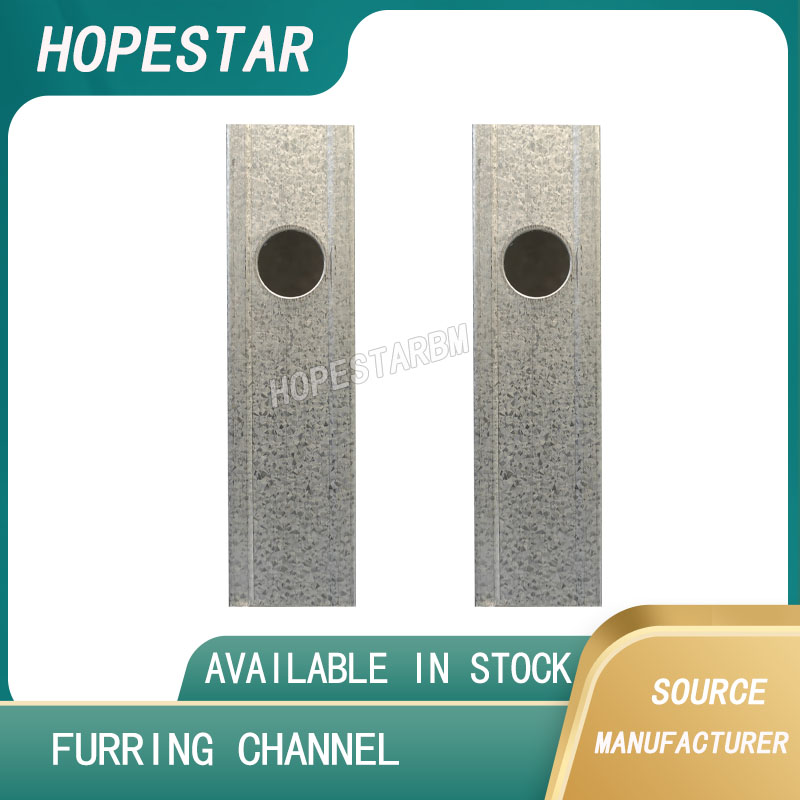
Ceiling wall angle, also known as perimeter angle or L-angle, is an indispensable L-shaped metal profile for suspended drywall ceiling systems. Roll-formed from cold-rolled galvanized steel, ceiling wall angle is fixed along the wall perimeter to support the ends of main channels and furring channels,
Ceiling Wall Angle – Galvanized L-Shaped Perimeter Trim for Suspended Drywall Ceilings
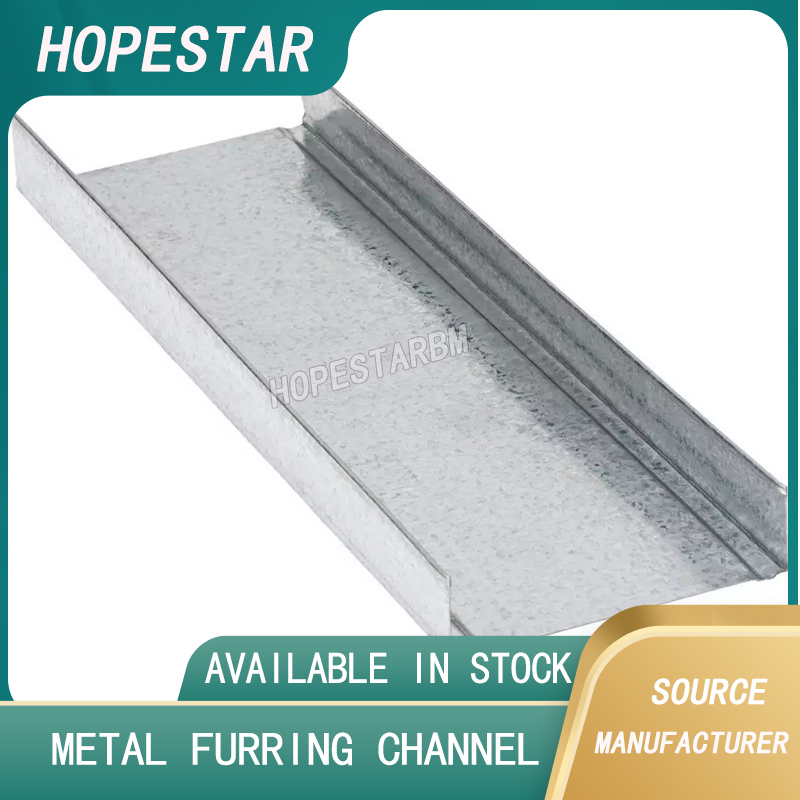
Galvanized steel profiles are the foundational metal framing components widely used in modern interior construction. Roll-formed from cold-rolled steel coated with protective zinc layer, galvanized steel profiles cover a full range of shapes including C studs, U tracks, omega channels,
Galvanized Steel Profiles – Reliable Cold Rolled Framing for Drywall Walls and Ceilings

Metal furring channel for ceiling is a vital secondary framing component widely used in suspended ceiling and drywall ceiling systems. Roll-formed from cold-rolled galvanized steel, this lightweight metal profile works together with main channels, hangers and wall angles to create a level,
Metal Furring Channel for Ceiling – Galvanized Secondary Framing for Suspended Drywall Ceilings

Metal omega channel, also widely called omega furring channel or hat channel, is an indispensable secondary metal framing profile for modern suspended ceilings and drywall wall furring systems. Named after its distinctive Ω shape, this profile is roll-formed from cold-rolled galvanized steel
Metal Omega Channel – Galvanized Omega Furring Channel for Drywall Ceiling and Wall Framing