
Metal Deck Profiles.Basic knowledge of metal materials
2022-10-10

Metal Deck Profiles.Basic knowledge of metal materials. Pressure processing bronze grade: the element symbol and content of Q+ main addition elements + the content of other added elements.
Classification of copper and copper alloys.
Pure copper (Cu).
It is purplish red, so it is also called copper; its density is 8.96x10³ kg/m3; melting point: 1083 ℃; its electrical conductivity and thermal conductivity are second only to gold and silver.
According to the chemical composition: industrial pure copper and oxygen-free copper. There are three brands of industrial pure copper in China:
No. 1 Copper (99.95%Cu), code name T1.
Copper No.2 (99.90%Cu), code T2.
Copper No.3 (99.70%Cu), code name T3.
The oxygen content of oxygen-free copper is very low, less than 0.003%, and its code names are TU1 and TU2.
Grades, chemical composition and uses of pure copper.
III. Copper alloy.
In order to meet the requirements of manufacturing structural components, copper alloys with strengthened properties are widely used in industry by adding alloy elements to copper. the commonly used copper alloys can be divided into brass, bronze and bronze.
1. Brass-copper alloy with zinc as the main alloying element has good mechanical properties, easy to process and form, and has good corrosion resistance to atmosphere and sea water.
According to the types of alloy elements, it can be divided into ordinary brass and special brass; according to the mode of production, it can be divided into pressure processed brass and cast brass.
(1) ordinary brass.
Common brass is a binary alloy of Cu-Zn. Common brass is divided into single-phase brass and dual-phase brass:
Single-phase brass-when the zinc content is less than 39%, zinc is completely dissolved in copper to form a solid solution.
Dual-phase brass-when the zinc content is greater than or equal to 39%, in addition to α solid solution, β solid solution with compound CuZn as matrix also appears in the structure.
(2) Special brass.
The copper alloy is formed by adding Sn, Si, Mn, Pb, Al and other elements to the common brass.
According to the different elements added, they are called tin brass, silicon brass, manganese brass, lead brass and aluminum brass.
Ordinary pressure processing brass grade: H+ average copper content. For example: H62 means 62% copper, and the rest is Zn brass.
Special pressure processing brass grade: h + main addition element symbol (except zinc) + average copper content + main addition element average content. For example: HMn58-2, which represents a special brass with 58% copper and 2% manganese.
Cast brass (including ordinary brass and special brass) grade: ZCu+ main addition element symbol + main addition element content + other element symbol and content composition. For example: ZcuZn38,ZCuZn40Mn2, etc.
2. White copper-A copper alloy with nickel as the main alloying element. It has good cold and hot workability and can not be strengthened by heat treatment, but can only be strengthened by solid solution strengthening and work hardening.
Grade: B + nickel content.
Three or more brass grades: B + the second main addition element symbol and the component number group except the base element copper. For example: B30 represents white copper with 30% Ni.
3. Bronze-all copper-based alloys are called bronzes except brass and white copper. According to the different types of main addition elements, bronze can be divided into tin bronze, aluminum bronze, silicon bronze and beryllium bronze. According to the mode of production, it can also be divided into two categories: pressure processed bronze and cast bronze.
For example: QSn4-3 means tin content is 4%, zinc content is 3%, and the rest is copper tin bronze.
The grade of casting bronze and casting brass: ZCu+ main plus element symbol + main addition element content + other element symbol and content composition. For example: ZCuSn5Pb5Zn5, ZCuAl9Mn2.
The main results are as follows: (1) the copper alloy with tin as the main alloy element is the earliest metal in human history.
(2) the aluminum content of aluminum bronze is 5% to 12%.
(3) Beryllium bronze contains 1.7% beryllium and 2.5% beryllium.
(4) Silicon bronze
Metal Panel Profiles.Metallic materials
Metal Roofing Profiles.There are four ways to strengthen metal materials
Related Article

Ceiling wall angle, also known as perimeter angle or L-angle, is an indispensable L-shaped metal profile for suspended drywall ceiling systems. Roll-formed from cold-rolled galvanized steel, ceiling wall angle is fixed along the wall perimeter to support the ends of main channels and furring channels,
Ceiling Wall Angle – Galvanized L-Shaped Perimeter Trim for Suspended Drywall Ceilings
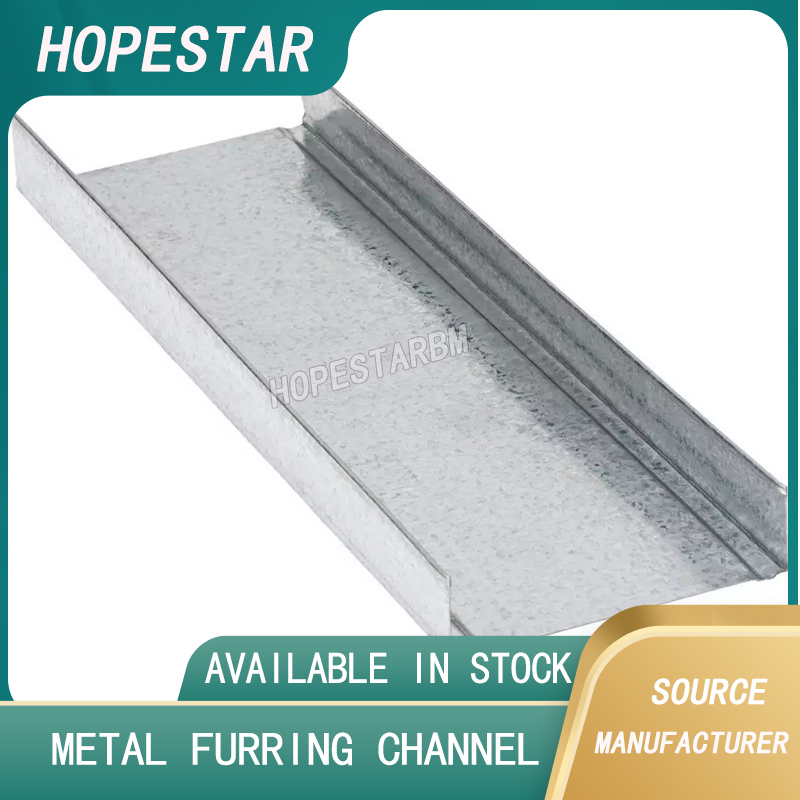
Galvanized steel profiles are the foundational metal framing components widely used in modern interior construction. Roll-formed from cold-rolled steel coated with protective zinc layer, galvanized steel profiles cover a full range of shapes including C studs, U tracks, omega channels,
Galvanized Steel Profiles – Reliable Cold Rolled Framing for Drywall Walls and Ceilings

Metal furring channel for ceiling is a vital secondary framing component widely used in suspended ceiling and drywall ceiling systems. Roll-formed from cold-rolled galvanized steel, this lightweight metal profile works together with main channels, hangers and wall angles to create a level,
Metal Furring Channel for Ceiling – Galvanized Secondary Framing for Suspended Drywall Ceilings

Metal omega channel, also widely called omega furring channel or hat channel, is an indispensable secondary metal framing profile for modern suspended ceilings and drywall wall furring systems. Named after its distinctive Ω shape, this profile is roll-formed from cold-rolled galvanized steel
Metal Omega Channel – Galvanized Omega Furring Channel for Drywall Ceiling and Wall Framing