
Introduction to the Characteristics and Applications of European Light Steel Keels
2024-05-21
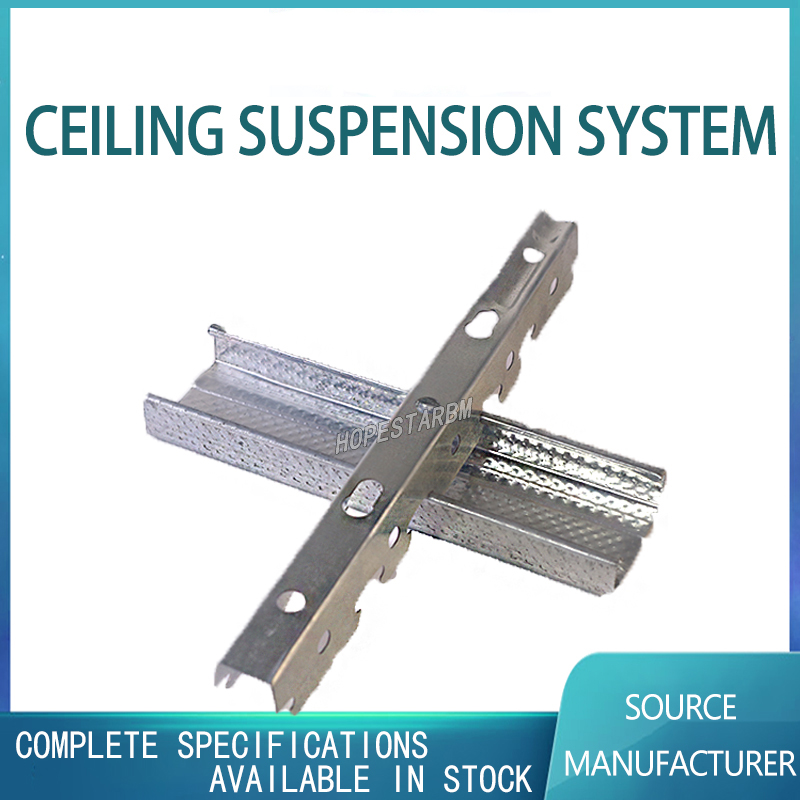
Light steel keel is a new type of building material with the following characteristics:
1. Lightweight and Convenient: The lightweight steel keel is easy to transport and build, greatly improving construction efficiency.
2. High strength: Light steel keel adopts cold rolling forming process, which has high strength and stiffness and can meet most of the requirements of buildings.
3. Strong corrosion resistance: Due to the use of new material structures, the light steel keel has excellent performance in corrosion resistance, fire resistance, mold resistance, waterproofing, earthquake resistance, and other aspects.
4. Good insulation and sound insulation performance: Light steel keel has good insulation and sound insulation performance, which can make the indoor environment more comfortable.
5. Good environmental friendliness: The light steel keel uses recyclable and reusable steel, which is very environmentally friendly and in line with the concept of modern architecture.
The use of light steel keel
Light steel keel is suitable for various construction fields and can be used for indoor partitions, suspended ceilings, walls, floors and other building structures. It has the following advantages:
1. Simple structure: The light steel keel has a simple structure and is easy to construct when used in conjunction with other building materials.
2. Wide application range: Light steel keel can be used in a large number of places such as residential, commercial office, hospitals, schools, etc., with a wide range of applications.
3. Cost saving: The transportation and construction costs of light steel keel are relatively low, and the production cycle is short, which can significantly save construction costs.
4. Widely used: Light steel keel can be used not only in traditional buildings, but also in some special purpose buildings, such as shelters, basements, factories, etc.
In summary, light steel keel, as a new type of building material, has broad application prospects in the field of architecture. With the continuous updates and breakthroughs in technology, it is believed that it will be more widely applied in the construction industry, injecting new vitality into the development of architecture.
What are the advantages of light steel keel suspended ceiling
What are the uses of European light steel keel?
Related Article
Ceiling wall angle, also known as perimeter angle or L-angle, is an indispensable L-shaped metal profile for suspended drywall ceiling systems. Roll-formed from cold-rolled galvanized steel, ceiling wall angle is fixed along the wall perimeter to support the ends of main channels and furring channels,
Ceiling Wall Angle – Galvanized L-Shaped Perimeter Trim for Suspended Drywall Ceilings
Galvanized steel profiles are the foundational metal framing components widely used in modern interior construction. Roll-formed from cold-rolled steel coated with protective zinc layer, galvanized steel profiles cover a full range of shapes including C studs, U tracks, omega channels,
Galvanized Steel Profiles – Reliable Cold Rolled Framing for Drywall Walls and Ceilings

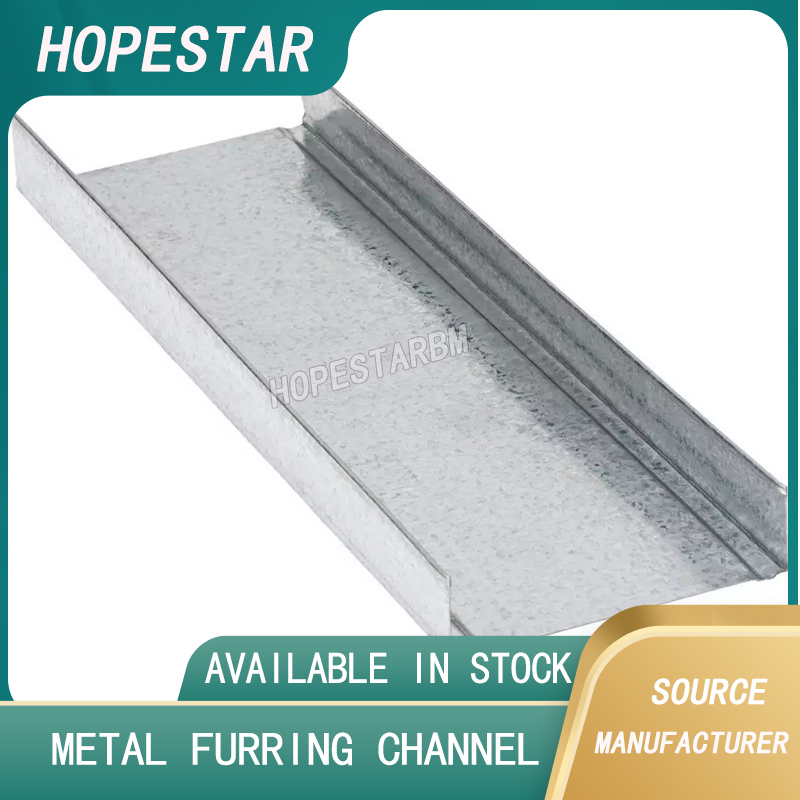
Metal furring channel for ceiling is a vital secondary framing component widely used in suspended ceiling and drywall ceiling systems. Roll-formed from cold-rolled galvanized steel, this lightweight metal profile works together with main channels, hangers and wall angles to create a level,
Metal Furring Channel for Ceiling – Galvanized Secondary Framing for Suspended Drywall Ceilings

Metal omega channel, also widely called omega furring channel or hat channel, is an indispensable secondary metal framing profile for modern suspended ceilings and drywall wall furring systems. Named after its distinctive Ω shape, this profile is roll-formed from cold-rolled galvanized steel
Metal Omega Channel – Galvanized Omega Furring Channel for Drywall Ceiling and Wall Framing