
Introduction to Materials of Light Steel
2024-04-17
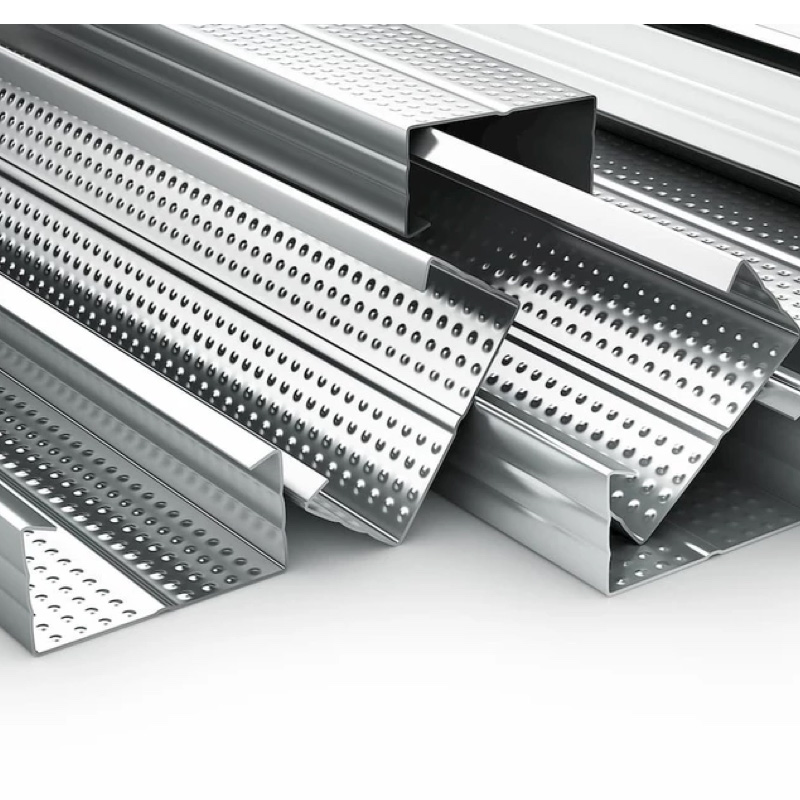
Introduction to Materials of Light Steel
Light steel keel, as a new type of building material, has been widely used in the construction industry in recent years. Its emergence not only brought revolutionary changes to the field of architecture, but also became an indispensable part of modern architecture with its unique advantages. This article will provide a detailed introduction to the material of light steel keel, so that readers can better understand this building material.
Light steel keel, as the name suggests, is mainly made of steel. Compared with traditional wooden keel, light steel keel has higher strength and stability. The steel undergoes special processing techniques, which not only ensures strength but also has a lighter weight, which is why the light steel keel is named. Light steel keel is mainly composed of thin-walled steel pipes, steel strips, etc. These materials are precisely welded and assembled to form a sturdy skeleton structure.
In addition to steel, some auxiliary materials such as fire-resistant coatings and rust proof paints are also used in the production process of light steel keel. The main purpose of these auxiliary materials is to improve the fire resistance and corrosion resistance of light steel keel. Fireproof coatings can effectively delay the spread of a fire, buying valuable time for people's escape and firefighting. Anti rust paint can prevent steel from rusting in humid environments, thereby extending the service life of light steel keel.
The advantages of light steel keel lie in its high strength, lightweight, fireproof, anti-corrosion and other characteristics. Firstly, high strength enables the light steel keel to withstand large loads, ensuring the safety of the building. Secondly, the lightweight of light steel keel makes it easy to handle and install, reducing construction costs. In addition, light steel keel also has good fire and corrosion resistance, which can maintain stable performance under various environmental conditions.
In the construction industry, the application range of light steel keel is very extensive. It can be used in multiple fields such as suspended ceilings, partitions, and walls. In terms of suspended ceilings, light steel keel suspended ceilings have advantages such as high flatness and good seismic performance, and are widely used in places such as shopping malls, offices, and homes. In terms of partition, light steel keel partitions have the characteristics of good sound insulation effect, beautiful and generous appearance, which can meet the needs of different occasions. In terms of walls, light steel keel walls have advantages such as strong load-bearing capacity and easy maintenance, providing a more environmentally friendly and efficient solution for modern buildings.
Of course, the application of light steel keel also needs to pay attention to some issues. Firstly, the installation of light steel keel needs to follow certain norms and standards to ensure its stability and safety. Secondly, the light steel keel needs regular maintenance and upkeep during use to prevent damage or corrosion. In addition, when selecting light steel keel, it is also necessary to choose appropriate materials and specifications based on specific usage scenarios and needs.
In short, light steel keel, as a new type of building material, has become an indispensable part of modern architecture due to its high strength, lightweight, fire resistance, anti-corrosion and other characteristics. With the continuous progress of technology and the rapid development of the construction industry, the application of light steel keel will be more extensive and in-depth.
We believe that light steel keel will play a more important role in the future construction field, bringing more convenience and comfort to people's lives and work.
Is the light steel keel partition wall sturdy
What are the requirements for light steel keel suspended ceilings
Related Article
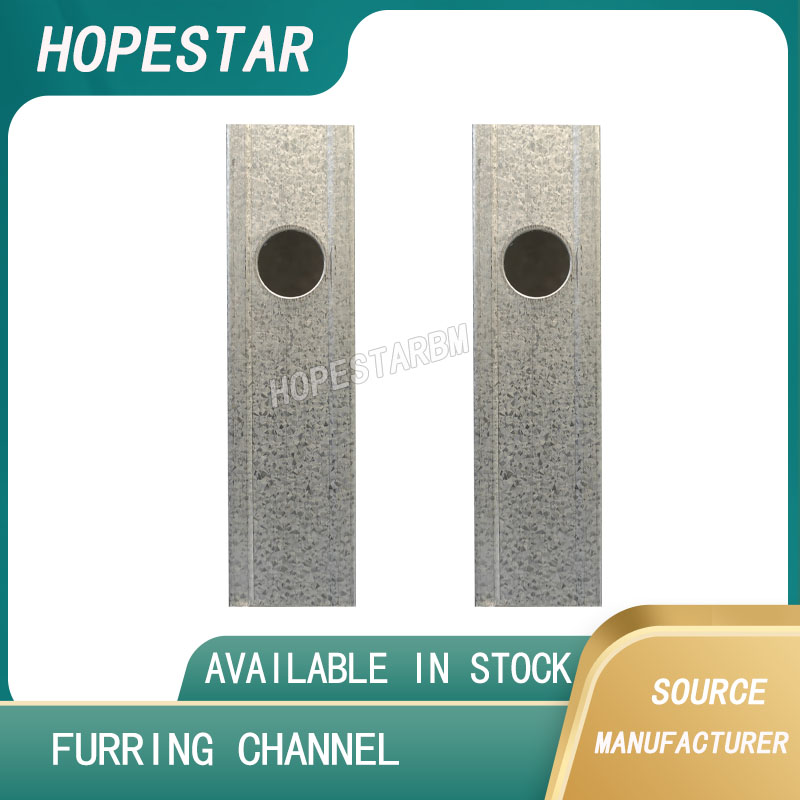
Ceiling wall angle, also known as perimeter angle or L-angle, is an indispensable L-shaped metal profile for suspended drywall ceiling systems. Roll-formed from cold-rolled galvanized steel, ceiling wall angle is fixed along the wall perimeter to support the ends of main channels and furring channels,
Ceiling Wall Angle – Galvanized L-Shaped Perimeter Trim for Suspended Drywall Ceilings
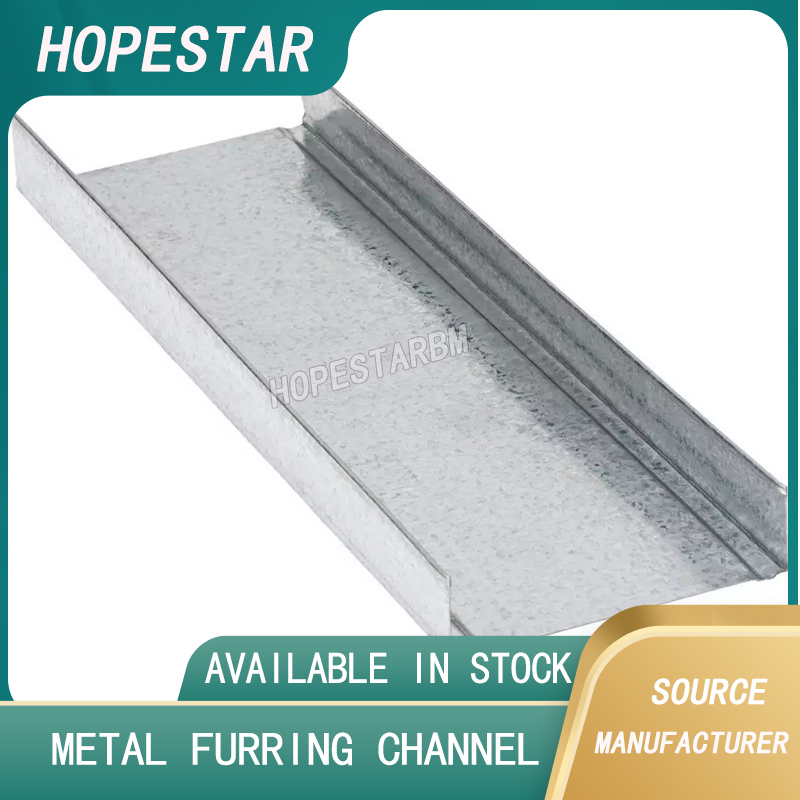
Galvanized steel profiles are the foundational metal framing components widely used in modern interior construction. Roll-formed from cold-rolled steel coated with protective zinc layer, galvanized steel profiles cover a full range of shapes including C studs, U tracks, omega channels,
Galvanized Steel Profiles – Reliable Cold Rolled Framing for Drywall Walls and Ceilings

Metal furring channel for ceiling is a vital secondary framing component widely used in suspended ceiling and drywall ceiling systems. Roll-formed from cold-rolled galvanized steel, this lightweight metal profile works together with main channels, hangers and wall angles to create a level,
Metal Furring Channel for Ceiling – Galvanized Secondary Framing for Suspended Drywall Ceilings

Metal omega channel, also widely called omega furring channel or hat channel, is an indispensable secondary metal framing profile for modern suspended ceilings and drywall wall furring systems. Named after its distinctive Ω shape, this profile is roll-formed from cold-rolled galvanized steel
Metal Omega Channel – Galvanized Omega Furring Channel for Drywall Ceiling and Wall Framing