
How to distinguish between good and bad metal furring channel
2024-08-09
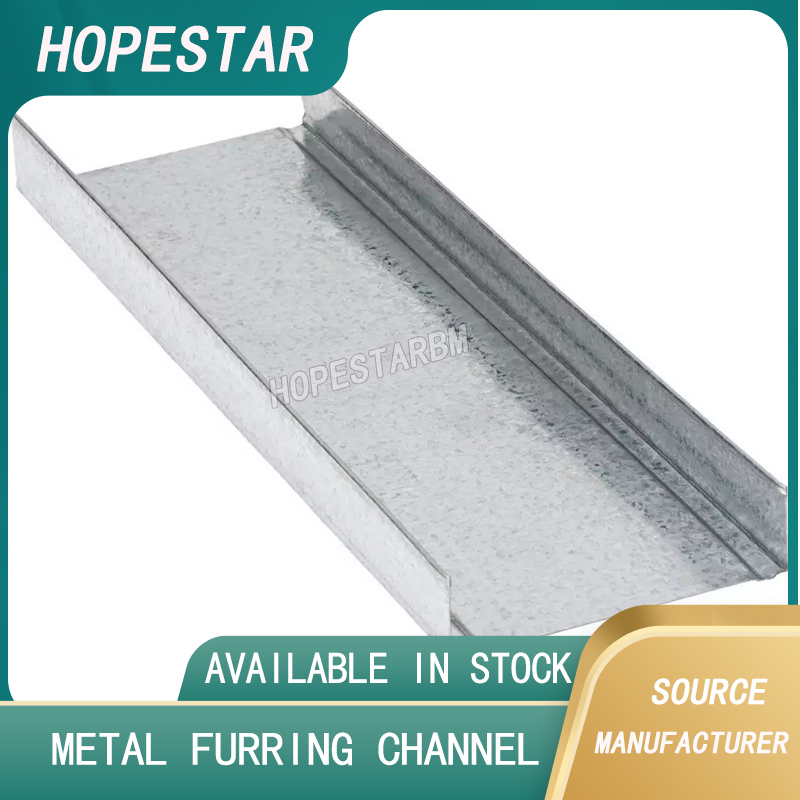
Metal furring channel is made of galvanized steel strip or thin steel plate processed through multiple processes by a dedicated rolling mill. It has the advantages of high strength, strong versatility, good fire resistance, and easy installation. Can be assembled with various types of gypsum board, calcium plastic board, sound-absorbing board, etc. The keel bracket used for wall partitions and ceilings is aesthetically pleasing and elegant. It is widely used in civil construction projects and textile industry factories, and has good effects in indoor decoration and sound insulation.
In general, when using gypsum ceiling, most people choose metal furring channel, and the thickness of the keel should be proportional to the thickness of the gypsum board. metal furring channel for construction is a thin-walled steel made of cold-rolled steel plate, galvanized steel plate or color coated steel plate.
The shape of metal furring channel should be flat, with clear edges and corners, and the cut should not have burrs or deformations that affect its use. The surface of the keel should be galvanized for rust prevention, and there should be no peeling or detachment. Defects such as corrosion, damage, and pitting must also be inspected according to regulations.
Methods to distinguish the quality of metal furring channel:
Surface rust prevention: This project includes testing indicators such as double-sided galvanizing amount, double-sided galvanizing layer thickness, and coating pencil hardness. The double-sided galvanizing amount is an important indicator in the surface rust prevention inspection project. The national standard stipulates that the double-sided galvanizing amount indicator for qualified ceiling keel products is ≥ 100g/m2. The unqualified double-sided galvanizing amount of metal furring channel will greatly reduce the corrosion and rust resistance of the product, resulting in a shortened service life of the product.
Section size: This project includes testing indicators such as thickness, width, height, edge width, and edge height of metal furring channel.
Mechanical performance: This project includes static load tests on the load-bearing (main) keel and cladding (secondary) keel of metal furring channel, as well as wall static load tests and wall impact resistance tests on the metal furring channel of the wall. Static load test is an important indicator in mechanical performance testing projects.
Good quality metal furring channel is a prerequisite for ensuring the quality of ceiling engineering. In addition, the quality is also related to the construction quality and service life. Therefore, in the process of selecting metal furring channel, careful observation and attention should be paid to the above three indicators to ensure the quality of metal furring channel.
The difference between galvanized light steel keel and ordinary keel
Metal corner beads
Related Article
Ceiling wall angle, also known as perimeter angle or L-angle, is an indispensable L-shaped metal profile for suspended drywall ceiling systems. Roll-formed from cold-rolled galvanized steel, ceiling wall angle is fixed along the wall perimeter to support the ends of main channels and furring channels,
Ceiling Wall Angle – Galvanized L-Shaped Perimeter Trim for Suspended Drywall Ceilings
Galvanized steel profiles are the foundational metal framing components widely used in modern interior construction. Roll-formed from cold-rolled steel coated with protective zinc layer, galvanized steel profiles cover a full range of shapes including C studs, U tracks, omega channels,
Galvanized Steel Profiles – Reliable Cold Rolled Framing for Drywall Walls and Ceilings

Metal furring channel for ceiling is a vital secondary framing component widely used in suspended ceiling and drywall ceiling systems. Roll-formed from cold-rolled galvanized steel, this lightweight metal profile works together with main channels, hangers and wall angles to create a level,
Metal Furring Channel for Ceiling – Galvanized Secondary Framing for Suspended Drywall Ceilings

Metal omega channel, also widely called omega furring channel or hat channel, is an indispensable secondary metal framing profile for modern suspended ceilings and drywall wall furring systems. Named after its distinctive Ω shape, this profile is roll-formed from cold-rolled galvanized steel
Metal Omega Channel – Galvanized Omega Furring Channel for Drywall Ceiling and Wall Framing