
How thick is the light steel keel generally
2024-06-19
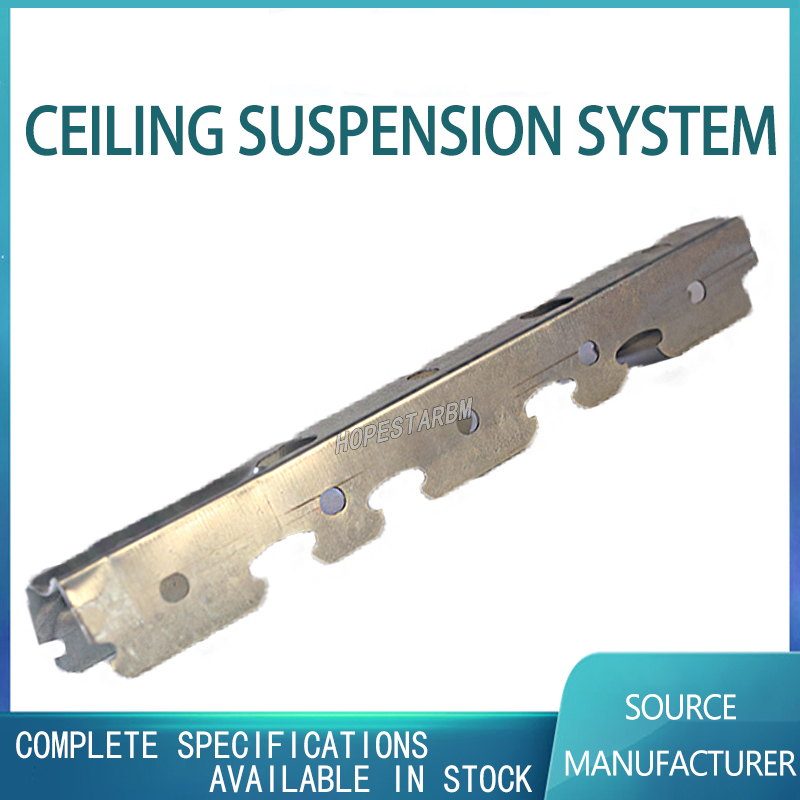
When we are carrying out house decoration and construction, we often see light steel keel, but many people do not know much about this component. So, how thick is light steel keel generally?
1、 How thick is the light steel keel generally
The thickness of common light steel keel includes 0.8, 1, 1.2 millimeters, etc. The most commonly used one is 0.8 millimeters, and it has many categories. According to its purpose, it can be divided into hanging type, partition wall light steel keel, and according to its form, it can be divided into V-type, C-type, T-type, L-type, U-type light steel keel, etc.
2、 What are the precautions for purchasing light steel keel
In order to ensure the excellent quality of the purchased light steel keel and the smoother progress of the later house decoration project, we need to consider multiple aspects when making actual purchases, which are the points to pay attention to when selecting light steel keel.
1. First, check the thickness of the light steel keel. There are differences in the thickness of different types of keels. For example, the thickness of wall keels ranges from 0.6 to 1 millimeter, while the thickness of V-shaped, U-shaped, and C-shaped keels ranges from 0.8 to 1.2 millimeters. Note that their thickness should not be less than 0.6 millimeters.
2. When checking the galvanizing technique of the outer layer of the keel, it is normal for the outer layer of the keel to be double-sided galvanized, which can avoid rusting. When purchasing, it is necessary to check whether the outer layer is balanced, which can avoid interference from rust and prevent wall thickness problems. If the galvanized layer falls off or has pitting, it is not recommended to purchase.
3. Some light steel keels are also protected from rust by a colored coating on the outer layer. When purchasing, it is necessary to ensure that the colored coating is consistent to ensure good moisture resistance. Generally, those with a hard texture and small gaps will have better quality.
Editor's summary: From the above article, we can see that there are many thicknesses of diamond keel, but the minimum should not be less than 0.6 millimeters. When choosing light steel keel, we should not only consider the thickness, but also consider sports aspects comprehensively, so as to ensure the purchase of suitable products and reduce unnecessary trouble. We hope this can help everyone.
galvanized steel furring channel introduce
The construction process of Suspended metal ceiling
Related Article
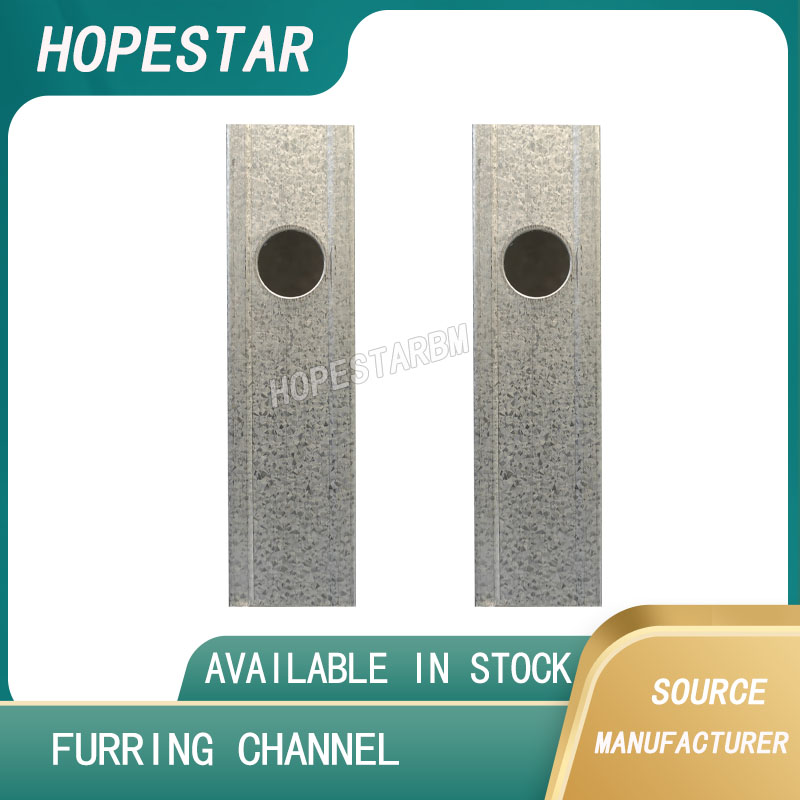
Ceiling wall angle, also known as perimeter angle or L-angle, is an indispensable L-shaped metal profile for suspended drywall ceiling systems. Roll-formed from cold-rolled galvanized steel, ceiling wall angle is fixed along the wall perimeter to support the ends of main channels and furring channels,
Ceiling Wall Angle – Galvanized L-Shaped Perimeter Trim for Suspended Drywall Ceilings
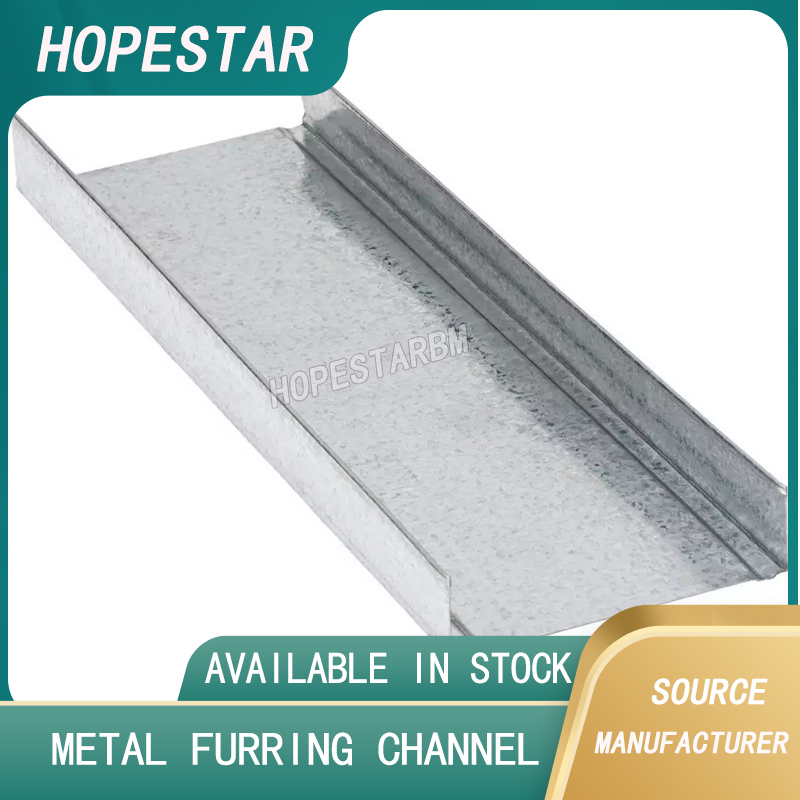
Galvanized steel profiles are the foundational metal framing components widely used in modern interior construction. Roll-formed from cold-rolled steel coated with protective zinc layer, galvanized steel profiles cover a full range of shapes including C studs, U tracks, omega channels,
Galvanized Steel Profiles – Reliable Cold Rolled Framing for Drywall Walls and Ceilings

Metal furring channel for ceiling is a vital secondary framing component widely used in suspended ceiling and drywall ceiling systems. Roll-formed from cold-rolled galvanized steel, this lightweight metal profile works together with main channels, hangers and wall angles to create a level,
Metal Furring Channel for Ceiling – Galvanized Secondary Framing for Suspended Drywall Ceilings

Metal omega channel, also widely called omega furring channel or hat channel, is an indispensable secondary metal framing profile for modern suspended ceilings and drywall wall furring systems. Named after its distinctive Ω shape, this profile is roll-formed from cold-rolled galvanized steel
Metal Omega Channel – Galvanized Omega Furring Channel for Drywall Ceiling and Wall Framing