
GI furring channel
2024-07-22
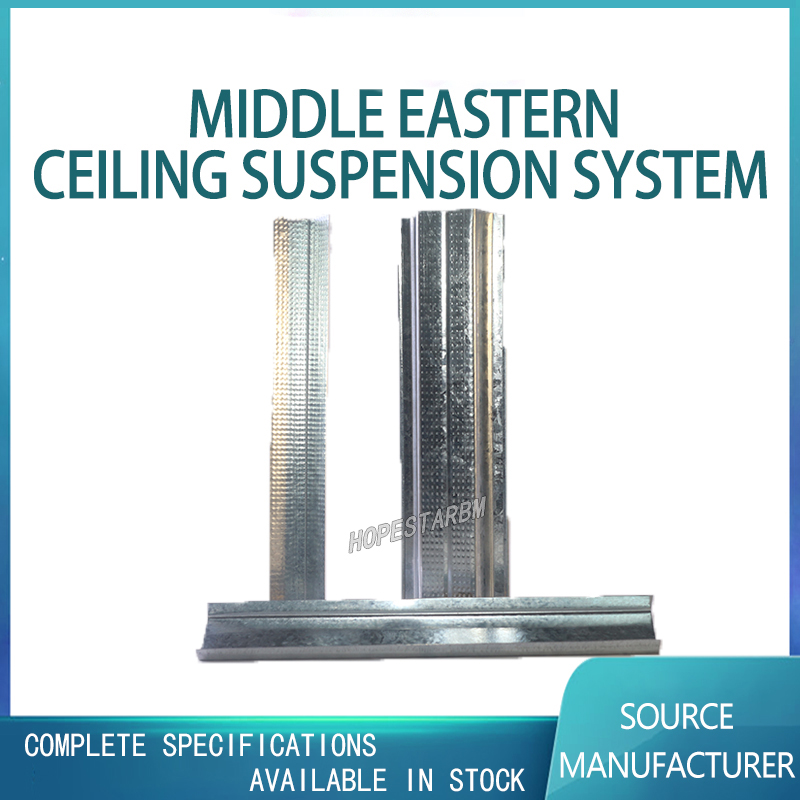
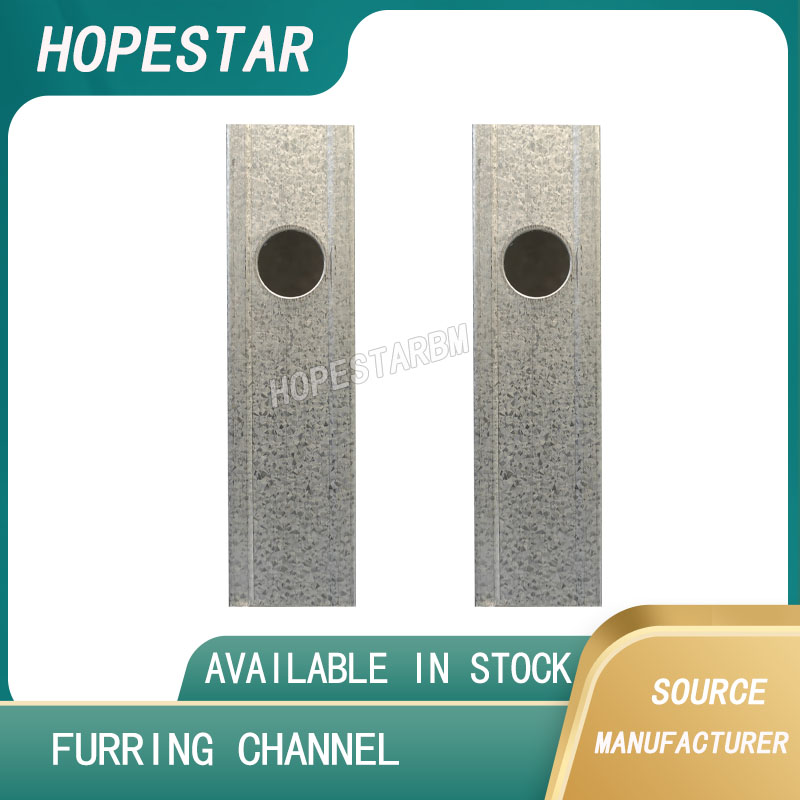
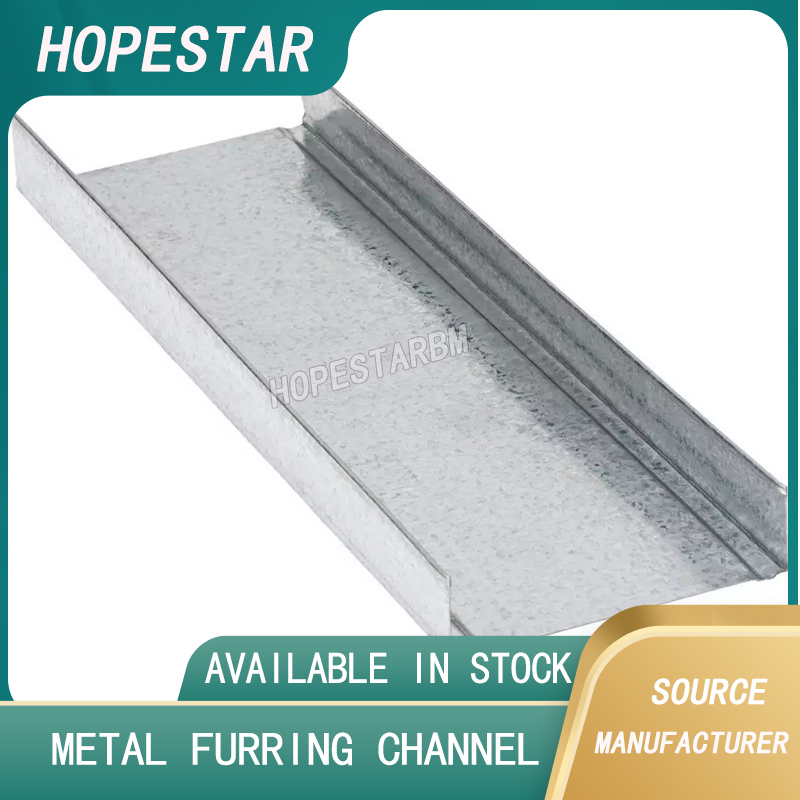
GI Furring Channel is mainly made of galvanized iron plate, which has excellent corrosion resistance, strength, and processability. The galvanized layer can effectively prevent rusting of iron plates and extend their service life. Meanwhile, the GI Furring Channel has high strength and can withstand significant weight and pressure, ensuring the stability of the ceiling system. In addition, its good processability allows the ceiling keel to be cut, bent, and connected as needed, adapting to various complex ceiling structures.
1. Installation method of GI Furring Channel
The installation of GI Furring Channel usually involves the following steps: Firstly, based on the ceiling design drawing, determine the layout and spacing of the ceiling keel. Then, drill holes in the ceiling, install the main keel of the ceiling, and fix it with specialized connectors. Next, install the secondary keel, which intersects vertically with the main keel, and fix it on the main keel with connectors. Finally, fix the ceiling panels (such as gypsum board, mineral wool board, etc.) onto the secondary keel to complete the installation of the ceiling system. During the installation process, attention should be paid to the horizontal and vertical alignment of the ceiling keel to ensure that the ceiling is flat and aesthetically pleasing.
2. Application scenarios of GI Furring Channel
GI Furring Channel is widely used in various indoor ceiling systems, including home decoration, commercial spaces, offices, hospitals, schools, etc. In home decoration, ceiling studs can be paired with various ceiling panels to create beautiful and practical ceiling shapes. In commercial and office spaces, ceiling joists can be used to conceal pipelines and equipment, improving the aesthetics and cleanliness of the space. In public places such as hospitals and schools, ceiling joists can ensure the stability and safety of the ceiling system.
3. Innovative application of GI Furring Channel in modern home and architectural design
With the continuous development of modern home and architectural design, the application of GI Furring Channel is also constantly innovating. Designers have cleverly utilized ceiling studs to create various unique and fashionable ceiling designs. For example, using ceiling studs to construct irregularly shaped ceilings with curves, waves, etc., increases the dynamic and layered feel of the space. At the same time, the ceiling keel can also be combined with lighting, audio and other equipment to create a more comfortable and convenient indoor environment.
In addition, with the deepening of green environmental protection concepts, the application of GI Furring Channel in environmental protection has also attracted much attention. Some new environmentally friendly materials are used in the production of ceiling joists, such as recyclable metal materials, low formaldehyde boards, etc. The use of these environmentally friendly materials can not only reduce the carbon emissions of the ceiling system, but also minimize the harm to human health.
In summary, GI Furring Channel plays an irreplaceable role as an important building material in modern home and architectural design. Its excellent material properties, simple installation method, wide range of application scenarios, and innovative application methods make ceiling joists an indispensable part of modern interior decoration and architectural design. With the advancement of technology and the popularization of environmental protection concepts, we believe that the application of GI Furring Channel will be more extensive and diversified in the future.
GI slotted channel
galvanized wall corner protectors
Related Article
Ceiling wall angle, also known as perimeter angle or L-angle, is an indispensable L-shaped metal profile for suspended drywall ceiling systems. Roll-formed from cold-rolled galvanized steel, ceiling wall angle is fixed along the wall perimeter to support the ends of main channels and furring channels,
Ceiling Wall Angle – Galvanized L-Shaped Perimeter Trim for Suspended Drywall Ceilings
Galvanized steel profiles are the foundational metal framing components widely used in modern interior construction. Roll-formed from cold-rolled steel coated with protective zinc layer, galvanized steel profiles cover a full range of shapes including C studs, U tracks, omega channels,
Galvanized Steel Profiles – Reliable Cold Rolled Framing for Drywall Walls and Ceilings

Metal furring channel for ceiling is a vital secondary framing component widely used in suspended ceiling and drywall ceiling systems. Roll-formed from cold-rolled galvanized steel, this lightweight metal profile works together with main channels, hangers and wall angles to create a level,
Metal Furring Channel for Ceiling – Galvanized Secondary Framing for Suspended Drywall Ceilings

Metal omega channel, also widely called omega furring channel or hat channel, is an indispensable secondary metal framing profile for modern suspended ceilings and drywall wall furring systems. Named after its distinctive Ω shape, this profile is roll-formed from cold-rolled galvanized steel
Metal Omega Channel – Galvanized Omega Furring Channel for Drywall Ceiling and Wall Framing