
Galvanized Steel Drywall Perforated Metal Corner Bead
2024-08-07
Perforated Metal Corner Bead is mainly used as a type of metal corner protector, characterized by a punched design. This design is not only convenient for nailing, but also makes the corner protector more firmly bonded to the gypsum board or other bonding materials at the corners. The design of punched corners helps to evenly distribute external forces to the surrounding edges, effectively protecting the integrity of the corners. Especially when the metal corner protector is made of high-quality materials on both sides, this material has the characteristics of anti-aging, corrosion resistance, fire resistance, and effective rust prevention.
Perforated Metal Corner Bead is a common building material widely used in architectural decoration and structural support. This material increases its functionality and aesthetics by punching various shapes of holes on the metal corners, such as circular holes, hexagonal holes, cross holes, triangular holes, elliptical holes, and elongated holes. Processing is to improve the corrosion resistance of materials and extend their service life. In practical applications, punched corners can be used for various occasions such as stair step corner protection, building corner protection, metal mesh corner protection, etc., playing a role in protecting wall corners and enhancing structural stability. In addition, punched corners can also be used for metal gypsum board pressure strips, wall corner protection strips, etc., providing additional support and decorative effects.
In the market, the types and specifications of Perforated Metal Corner Beads are very diverse, which can meet the needs of different projects. In terms of price, the price of punched edges and corners may vary depending on factors such as material, size, punching shape, and quantity. For example, angle materials such as triangle steel and angle iron can be used to make punched angle steel of various shapes, while metal corner protectors provide multiple hole types to choose from, such as circular hole punched corner protectors, suitable for external wall corner protection, with multiple specifications to choose from.
When selecting punched corners, in addition to considering their functionality and aesthetics, attention should also be paid to the corrosion resistance, strength, and durability of the materials to ensure the safety and long-term use of the building. In addition, different punching shapes and sizes have different impacts on the structure and appearance of buildings, so careful consideration is needed in design and construction.
galvanized hat channel
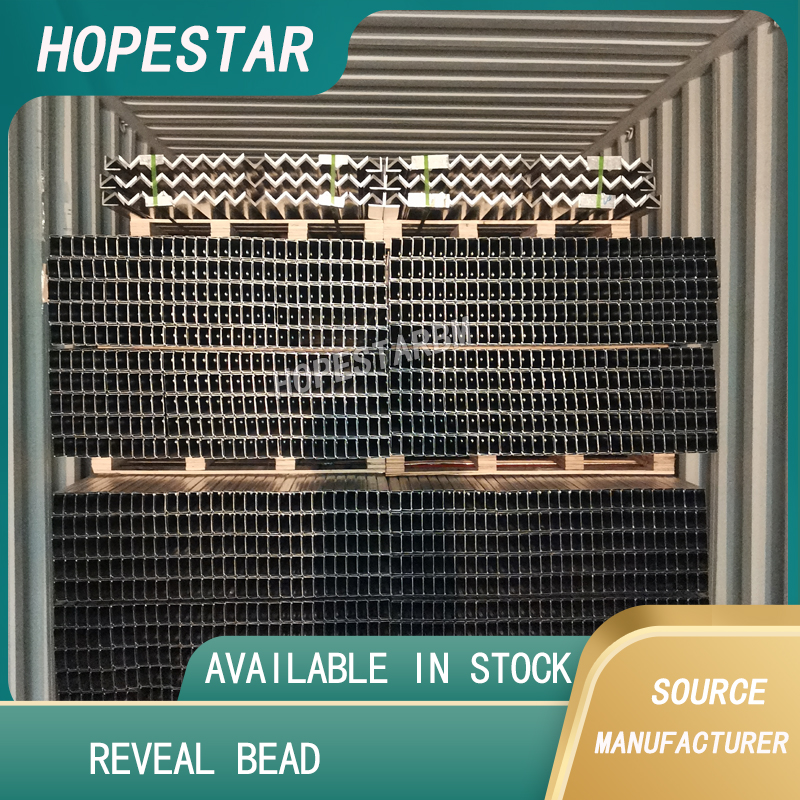
Reveal bead for Drywall
Related Article
Ceiling wall angle, also known as perimeter angle or L-angle, is an indispensable L-shaped metal profile for suspended drywall ceiling systems. Roll-formed from cold-rolled galvanized steel, ceiling wall angle is fixed along the wall perimeter to support the ends of main channels and furring channels,
Ceiling Wall Angle – Galvanized L-Shaped Perimeter Trim for Suspended Drywall Ceilings
Galvanized steel profiles are the foundational metal framing components widely used in modern interior construction. Roll-formed from cold-rolled steel coated with protective zinc layer, galvanized steel profiles cover a full range of shapes including C studs, U tracks, omega channels,
Galvanized Steel Profiles – Reliable Cold Rolled Framing for Drywall Walls and Ceilings

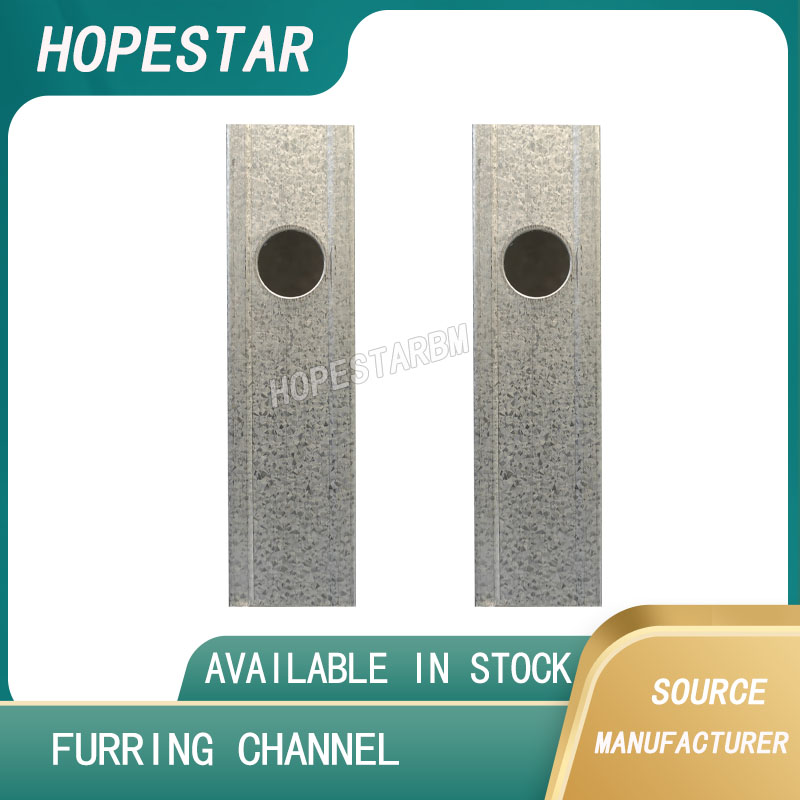
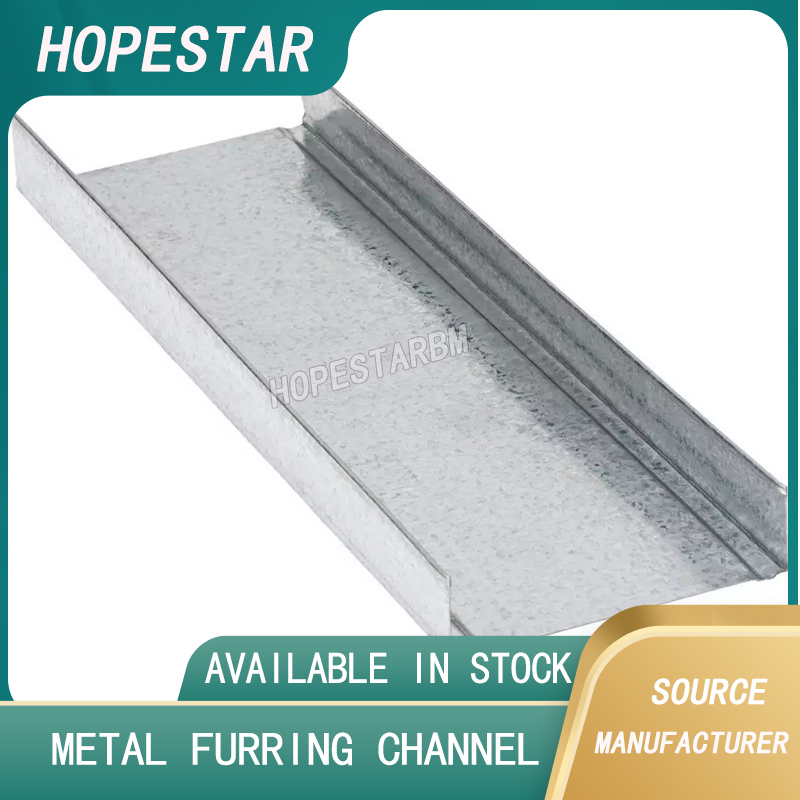
Metal furring channel for ceiling is a vital secondary framing component widely used in suspended ceiling and drywall ceiling systems. Roll-formed from cold-rolled galvanized steel, this lightweight metal profile works together with main channels, hangers and wall angles to create a level,
Metal Furring Channel for Ceiling – Galvanized Secondary Framing for Suspended Drywall Ceilings

Metal omega channel, also widely called omega furring channel or hat channel, is an indispensable secondary metal framing profile for modern suspended ceilings and drywall wall furring systems. Named after its distinctive Ω shape, this profile is roll-formed from cold-rolled galvanized steel
Metal Omega Channel – Galvanized Omega Furring Channel for Drywall Ceiling and Wall Framing