
furring channel sizes
2024-05-29
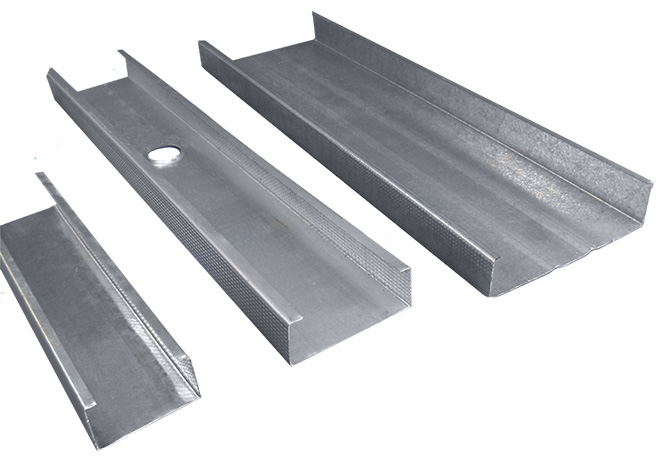
In the field of construction engineering, As a key construction element, the selection of the size of furring channel plays a crucial role in the stability and aesthetics of the overall structure. This article will explore in detail the size selection of furring channels and their application in engineering practice.
Firstly, we need to clarify the basic definition of furring channel. furring channel, Also known as ceiling keel or ceiling frame, it is a metal component used for ceiling installation. It is usually made of lightweight metal materials, with excellent load-bearing capacity and stability, and can effectively support suspended ceiling panels and related pipeline equipment.
When choosing the size of the furring channel, we need to consider multiple factors. Firstly, there is the load-bearing requirement for the suspended ceiling. The weight that the ceiling needs to bear includes the weight of equipment such as ceiling panels, lighting fixtures, air conditioning vents, and possible additional loads. Therefore, when selecting the size of the keel, it is necessary to make a reasonable combination based on the actual load-bearing needs to ensure the stability and safety of the ceiling structure.
Secondly, the span of the ceiling is also an important factor affecting the size selection of the furring channel. The larger the span of the ceiling, the higher the requirement for the load-bearing capacity of the keel. Therefore, in areas with larger spans, it is necessary to choose larger and more load-bearing keel to ensure the flatness and stability of the ceiling.
In addition, the style and material of the ceiling will also have an impact on the size selection of the furring channel. Different styles and materials of suspended ceilings have different support methods and requirements for the keel. Therefore, when selecting the size of the keel, it is necessary to fully consider the actual situation of the suspended ceiling to ensure its aesthetics and practicality.
In engineering practice, The size selection of the furring channel needs to be flexibly adjusted according to the specific construction environment and requirements. For example, in areas with lower ceiling heights, smaller keel sizes can be chosen to reduce the heaviness of the ceiling; In areas with higher ceiling heights, larger keel sizes can be selected to enhance the load-bearing capacity of the ceiling.
At the same time, in order to ensure the installation quality and stability of the furring channel, construction personnel need to strictly follow the construction specifications for operation. During the installation process, attention should be paid to the spacing and connection method between the keels to ensure the flatness and overall stability of the ceiling. In addition, rust prevention treatment is also required for the keel to extend its service life.
In short, The size selection of the furring channel is a crucial task in ceiling installation engineering. Through reasonable size selection and construction operations, the stability and aesthetics of the suspended ceiling structure can be ensured, providing high-quality visual effects and user experience for indoor spaces in buildings. In future construction projects, with the continuous development and innovation of ceiling technology, The size selection and application of furring channels will also be continuously optimized and improved, making greater contributions to the safety and aesthetics of construction projects.
Types of metal furring
What is the size of the light steel keel ceiling for comprehensive analysis?
Related Article
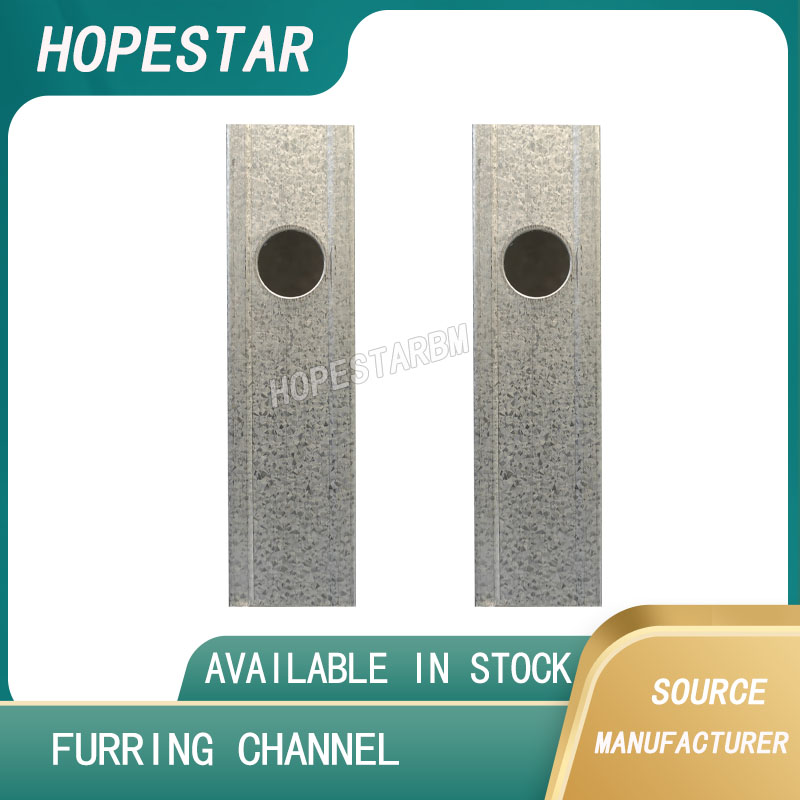
Ceiling wall angle, also known as perimeter angle or L-angle, is an indispensable L-shaped metal profile for suspended drywall ceiling systems. Roll-formed from cold-rolled galvanized steel, ceiling wall angle is fixed along the wall perimeter to support the ends of main channels and furring channels,
Ceiling Wall Angle – Galvanized L-Shaped Perimeter Trim for Suspended Drywall Ceilings
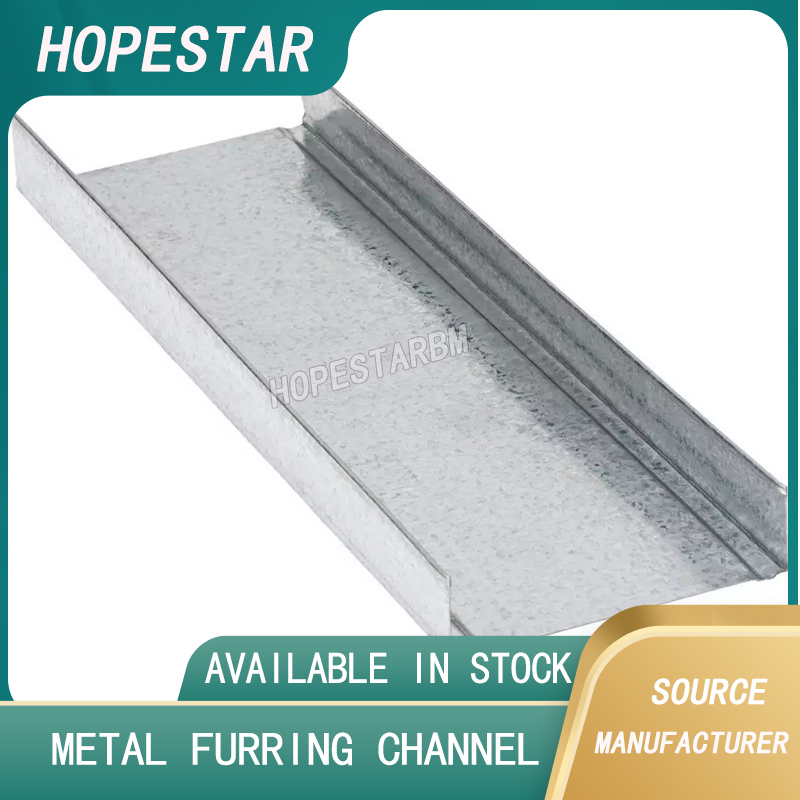
Galvanized steel profiles are the foundational metal framing components widely used in modern interior construction. Roll-formed from cold-rolled steel coated with protective zinc layer, galvanized steel profiles cover a full range of shapes including C studs, U tracks, omega channels,
Galvanized Steel Profiles – Reliable Cold Rolled Framing for Drywall Walls and Ceilings

Metal furring channel for ceiling is a vital secondary framing component widely used in suspended ceiling and drywall ceiling systems. Roll-formed from cold-rolled galvanized steel, this lightweight metal profile works together with main channels, hangers and wall angles to create a level,
Metal Furring Channel for Ceiling – Galvanized Secondary Framing for Suspended Drywall Ceilings

Metal omega channel, also widely called omega furring channel or hat channel, is an indispensable secondary metal framing profile for modern suspended ceilings and drywall wall furring systems. Named after its distinctive Ω shape, this profile is roll-formed from cold-rolled galvanized steel
Metal Omega Channel – Galvanized Omega Furring Channel for Drywall Ceiling and Wall Framing