
furring channel for plasterboard
2024-06-26
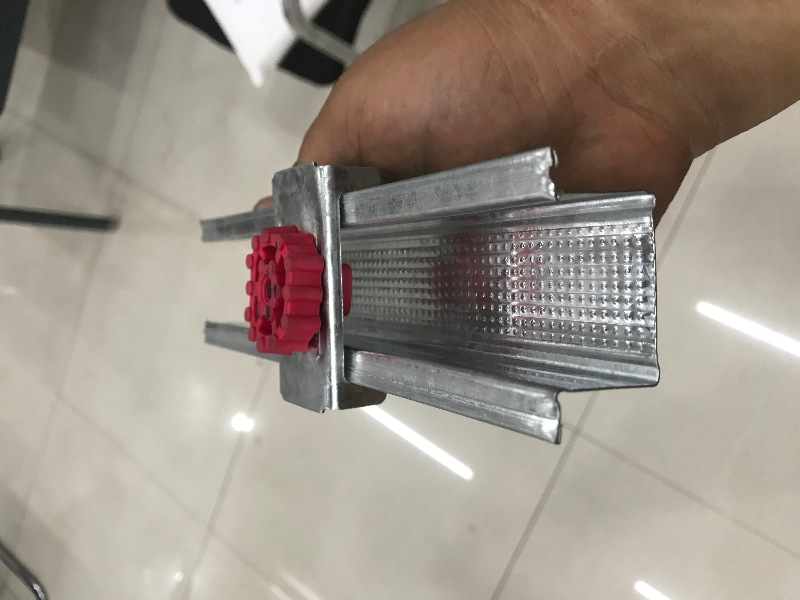
1)、 Definition and Function of Furring Channel
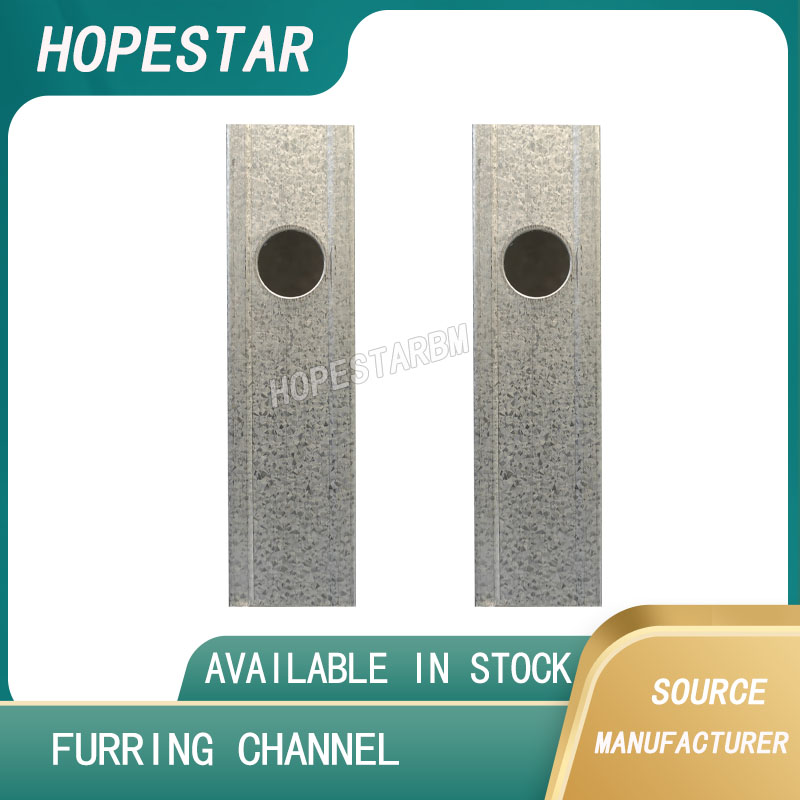
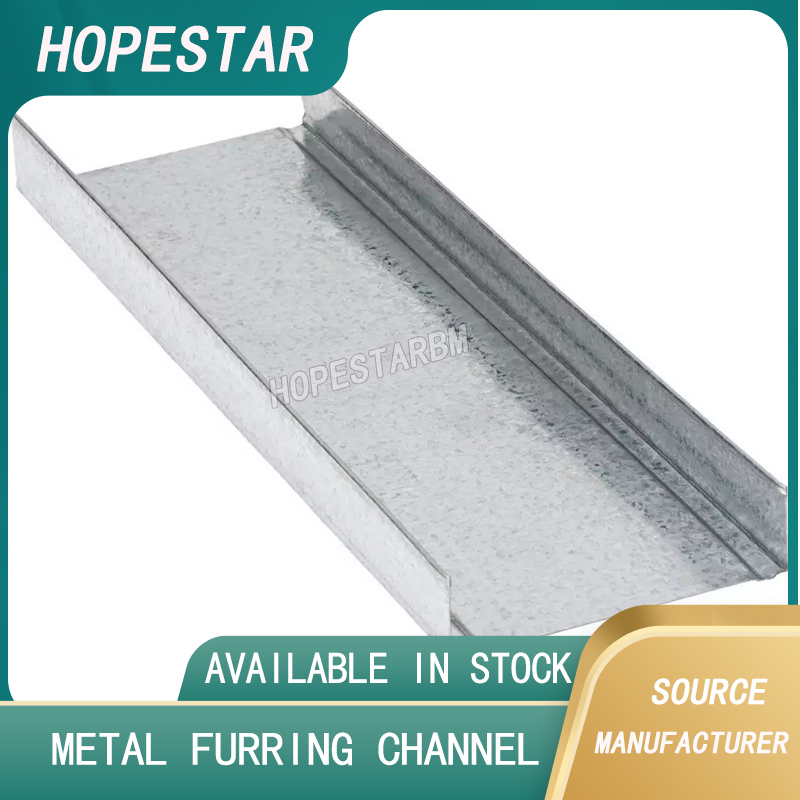
Furring channel, Also known as keel or skeleton, it is a metal or wooden component used to support and fix gypsum boards. Its main functions include:
1. Support function: The furring channel provides stable support for gypsum board, ensuring that it is not easily deformed or detached when subjected to loads.
2. Fixation function: Through the connection between the keel and the wall or ceiling, the gypsum board can be firmly fixed in the required position.
3. Adjustment function: The keel has a certain degree of adjustability, and the installation position and angle of the gypsum board can be adjusted according to the actual situation to achieve the best decorative effect.
2)、 Selection of Furring Channel
When choosing a furring channel, the following factors need to be considered:
1. Material: Common keel materials include metal and wood. Metal keel has high strength and stability, suitable for large ceiling and wall decoration; Wood keel, on the other hand, has good decorative and environmentally friendly properties, making it suitable for small decorative projects.
2. Specifications: The specifications of the keel should be selected based on the size and weight of the gypsum board to ensure that it can withstand sufficient loads.
3. Surface treatment: The surface of the keel should be treated with rust and corrosion prevention to improve its service life and decorative effect.
3)、 Installation Steps for Furring Channel
1. Measurement and positioning: Based on the design drawings and actual on-site conditions, determine the installation position and size of the gypsum board, and then use measuring tools for positioning and marking.
2. Keel installation: According to positioning and marking, fix the keel on the wall or ceiling. During the fixing process, ensure the verticality and levelness of the keel with the wall or ceiling.
3. Gypsum board installation: Place the gypsum board on the keel and use special tools to tightly connect the gypsum board to the keel. During the connection process, attention should be paid to maintaining the flatness and verticality of the gypsum board.
4. Joint filling and repair: After the installation of the gypsum board is completed, fill the joints of the board to ensure that they are flat and beautiful. If necessary, the surface of the gypsum board can be repaired and polished.
4)、 Precautions for Furring Channel Installation
1. Safety first: When installing the keel, strict adherence to safety operating procedures should be followed to ensure the personal safety of construction personnel.
2. Accurate measurement: During the positioning and marking process, the accuracy of the measurement results should be ensured to avoid installation errors.
3. Stable connection: When connecting the gypsum board to the keel, it should be ensured that the connection is firm and stable to prevent the gypsum board from falling off or deforming.
4. Waterproof and moisture-proof: During the installation of the keel, attention should be paid to waterproof and moisture-proof measures to prevent the keel from being damp, rusty or corroded.
5. Aesthetics: During the filling and repair process, attention should be paid to aesthetics to ensure the overall effect of gypsum board installation.
5、 Conclusion
Furring channel, as an important building material in gypsum board installation, its selection, installation, and precautions are directly related to the installation quality and decorative effect of gypsum boards. Therefore, during the construction process, we should fully understand the characteristics and usage methods of the furring channel, and strictly follow the relevant specifications and operating procedures for operation. Through the introduction of this article, it is believed that readers have a deeper understanding and recognition of the application of furring channel in gypsum board installation.
perimeter u channel for ceiling
Africa Light steel framing ceiling suspension system
Related Article
Ceiling wall angle, also known as perimeter angle or L-angle, is an indispensable L-shaped metal profile for suspended drywall ceiling systems. Roll-formed from cold-rolled galvanized steel, ceiling wall angle is fixed along the wall perimeter to support the ends of main channels and furring channels,
Ceiling Wall Angle – Galvanized L-Shaped Perimeter Trim for Suspended Drywall Ceilings
Galvanized steel profiles are the foundational metal framing components widely used in modern interior construction. Roll-formed from cold-rolled steel coated with protective zinc layer, galvanized steel profiles cover a full range of shapes including C studs, U tracks, omega channels,
Galvanized Steel Profiles – Reliable Cold Rolled Framing for Drywall Walls and Ceilings

Metal furring channel for ceiling is a vital secondary framing component widely used in suspended ceiling and drywall ceiling systems. Roll-formed from cold-rolled galvanized steel, this lightweight metal profile works together with main channels, hangers and wall angles to create a level,
Metal Furring Channel for Ceiling – Galvanized Secondary Framing for Suspended Drywall Ceilings

Metal omega channel, also widely called omega furring channel or hat channel, is an indispensable secondary metal framing profile for modern suspended ceilings and drywall wall furring systems. Named after its distinctive Ω shape, this profile is roll-formed from cold-rolled galvanized steel
Metal Omega Channel – Galvanized Omega Furring Channel for Drywall Ceiling and Wall Framing