
Furring Channel Ceiling.How do you process it?
2022-10-12
Furring Channel Ceiling.How do you process it? In ancient times, Nihewan basin is home to a large number of prehistoric animals, including more than 100 species of fur animals, which is a veritable birthplace of fishing, hunting and animal husbandry.
Among them, more than ten kinds of animals with typical fur sources, such as bison, Weng's corner antelope, Sanggan River bighorn deer and so on, have become extinct.
With the development of clothing in different dynasties, fur not only has the basic function of keeping warm, but also has become a symbol of power and status, a symbol of status and wealth. "clothes are made", the grade is strict, "although there is a virtuous body, but its lord does not dare to take its clothes", "one grade of metaphysical fox, two grades of marten, three grades wear fox raccoon dog", ordinary people wear dog, rabbit and sheep skin.
It reproduces the busy scene of the production and processing of fur workshops, wool textile workshops and clothing workshops at that time, as well as the scene in which Hongzhou craftsmen presented rabbit hair weaving brocade to Yuan Shizu and was promoted to Hongzhou Zhizhou and his hometown.
At its peak, "annual trade volume of 150 million taels", "annual import of 15 million pieces of leather and 10 million jin of wool", Zhangjiakou "import and export trade tax accounted for 1/3 of the national import and export trade tax of the Qing government." In the late Qing Dynasty, the population of Yangyuan was more than 100,000, and the number of people who traveled to and from Chaktu and Coulomb all the year round reached more than 10,000. .
After the opening of "Zhangku Avenue", more than 10,000 people in Yangyuan County left their hometown to make a living in Ulaanbaatar and Chaktu, Russia, and a considerable number of them were "woollen craftsmen." These people gradually settled in Ulaanbaatar and mostly concentrated on a street, forming the famous "Fur Street", where the museum recreates the scene of fur workshops run by fur craftsmen.
In those days, if you could wear fur and ride a donkey back to your mother's house, it was one of the manifestations of superior living conditions. .
Yangyuan is the only fur scrap processing base in the country and the largest in the world. The unique technology of broken skin processing originated in Yangyuan, began in ancient times, flourished in the Yuan Dynasty, flourished in the period of the Republic of China, and now reached a period of prosperity. Although many places in China are engaged in fur scrap processing (Guangdong, Daying and other places), its scale is relatively small, while the Yang principle accounts for 80% of the national fur scrap processing, and is named the only "Chinese fur scrap processing base". Foreign Castoria (Greece) is also engaged in fur scrap processing, but its production scale (about 15000 people) is smaller than Yangyuan.
Nowadays, with the gradual protection of wild animals by law, the sources of fur are mainly mink, fox, raccoon dog, rabbit and sheep.
Yangyuan International Fur City covers an area of 110mu and a construction area of 137000 square meters. It is a professional fur sales market integrating fur processing, sales, shopping, leisure and entertainment. Fur City is mainly composed of high-grade fur clothing, with some bags, leather goods, leather clothing, Nixie and so on. It is one of the professional fur markets with the largest scale, the highest grade and the most comprehensive commodity category in North China. In the future, Yangyuan International Fur City will build a fur processing distribution center in northwest Beijing, the world's largest fur processing base.
Metal Profiles.The four major properties of metal materials
Metal Stud Anchors.Plastic metal materials
Related Article
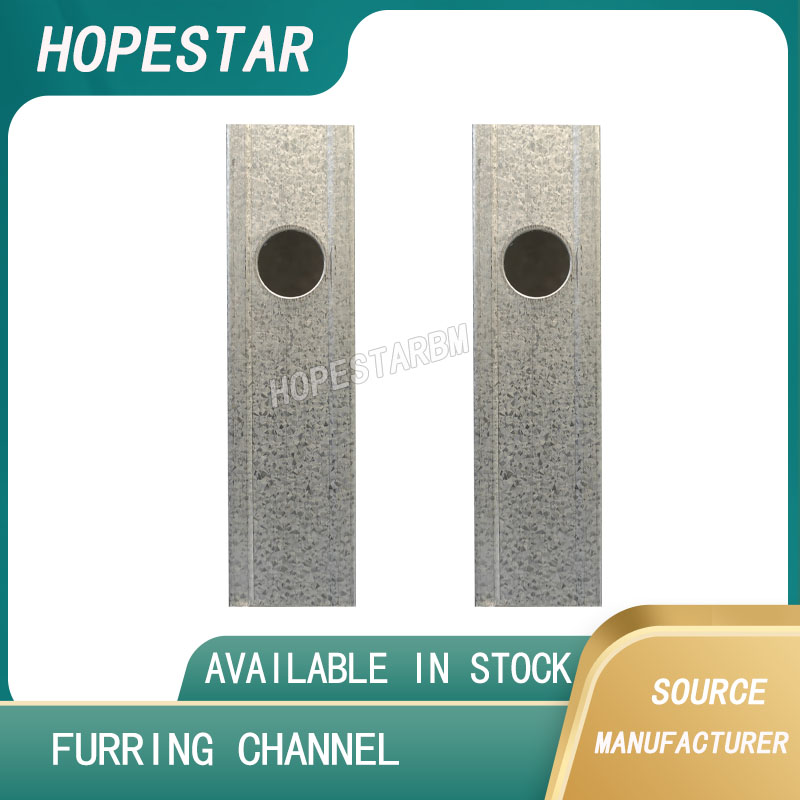
Ceiling wall angle, also known as perimeter angle or L-angle, is an indispensable L-shaped metal profile for suspended drywall ceiling systems. Roll-formed from cold-rolled galvanized steel, ceiling wall angle is fixed along the wall perimeter to support the ends of main channels and furring channels,
Ceiling Wall Angle – Galvanized L-Shaped Perimeter Trim for Suspended Drywall Ceilings
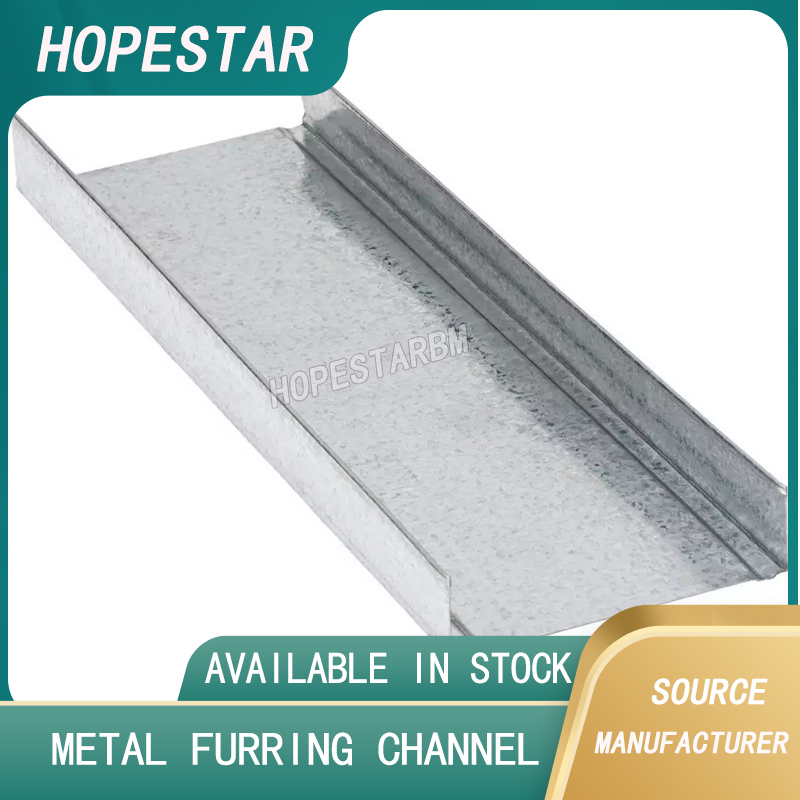
Galvanized steel profiles are the foundational metal framing components widely used in modern interior construction. Roll-formed from cold-rolled steel coated with protective zinc layer, galvanized steel profiles cover a full range of shapes including C studs, U tracks, omega channels,
Galvanized Steel Profiles – Reliable Cold Rolled Framing for Drywall Walls and Ceilings

Metal furring channel for ceiling is a vital secondary framing component widely used in suspended ceiling and drywall ceiling systems. Roll-formed from cold-rolled galvanized steel, this lightweight metal profile works together with main channels, hangers and wall angles to create a level,
Metal Furring Channel for Ceiling – Galvanized Secondary Framing for Suspended Drywall Ceilings

Metal omega channel, also widely called omega furring channel or hat channel, is an indispensable secondary metal framing profile for modern suspended ceilings and drywall wall furring systems. Named after its distinctive Ω shape, this profile is roll-formed from cold-rolled galvanized steel
Metal Omega Channel – Galvanized Omega Furring Channel for Drywall Ceiling and Wall Framing