
drywall u channel
2024-07-11
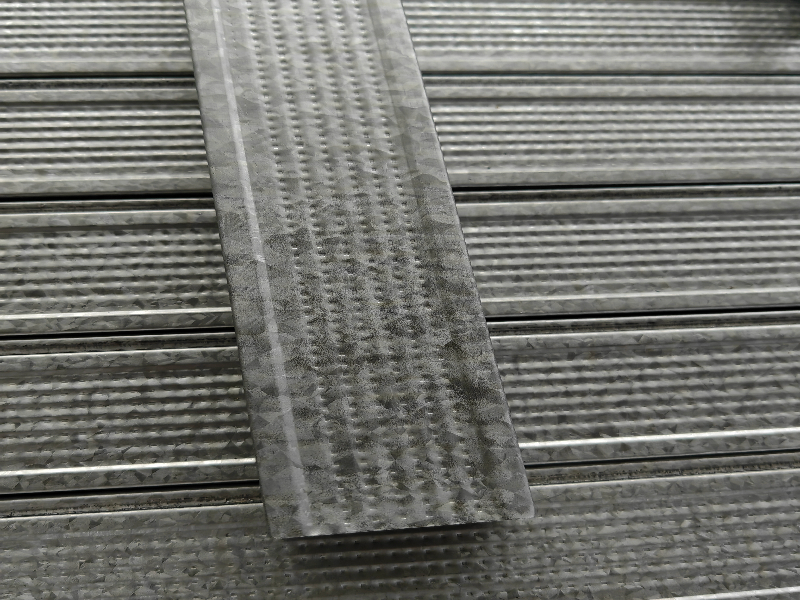
In today's construction and decoration industry, Drywall u channelis widely used due to its unique advantages. However, just like any material or product, Drywall u channelalso has its unique advantages and disadvantages. Next, we will delve deeper into the duality of this material, so that readers can have a more comprehensive understanding of it.
Firstly, let's take a look at the advantages of U-shaped light steel keel. The most notable feature is undoubtedly its lightweight and high-strength performance. Compared to traditional wooden or concrete keels, U-shaped light steel keels have lower density and higher strength. This means that during installation and use, they can withstand greater weight and pressure without imposing too much burden on the building itself. In addition, due to the characteristics of its material, Drywall u channelalso has excellent seismic performance, which can maintain good stability in the event of natural disasters such as earthquakes, providing strong protection for people's life and property safety.
Secondly, the fire resistance performance of Drywall u channelis also one of its major advantages. As a metal material, light steel keel is not easy to burn in the event of a fire, which can effectively prevent the spread of the fire and buy more time for people's escape and rescue. In addition, due to the fact that its surface is usually coated with fire-resistant coatings, it can further improve its fire resistance performance and ensure the safety of buildings.
Furthermore, the construction efficiency of Drywall u channelis also one of the reasons why it is highly praised. Due to its lightweight material, easy cutting and installation, it can greatly shorten the construction period and improve engineering efficiency. Meanwhile, due to the good combination of light steel keel and gypsum board materials, various shapes and decorative effects can be easily achieved, meeting people's diverse aesthetic needs.
However, Drywall u channelalso has some drawbacks. Firstly, due to the characteristics of its material, light steel keel is prone to rusting in humid environments, which affects its appearance and service life. Therefore, special attention should be paid to waterproof and moisture-proof measures during installation and use to avoid unnecessary damage. In addition, the price of light steel keel is relatively high compared to traditional materials, which to some extent increases the construction cost.
In addition, Drywall u channelhas high requirements for construction technology during installation. Due to its need to be used in conjunction with main keels, cladding keels, hanging fasteners and other components, precise measurement and positioning are required to ensure installation quality. If installed improperly, it can easily lead to problems such as deformation and cracking of the ceiling, affecting the effectiveness of use. Therefore, when selecting a construction team, it is necessary to choose a team with rich experience and professional skills for installation.
In addition, Drywall u channelalso has certain limitations in terms of shape. Due to its material and structural characteristics, light steel keel is only suitable for straight lines and simple shapes, and is not suitable for complex curve or surface shapes. This to some extent limits its application scope in some special occasions. However, with the advancement and innovation of technology, some new types of light steel keel materials and connection methods have been able to solve this problem, giving light steel keels more possibilities in terms of shape.
Finally, it should be pointed out that the advantages and disadvantages of Drywall u channelas a building material are not absolute. In practical applications, we need to choose suitable materials based on specific engineering requirements and usage environments. At the same time, we also need to constantly monitor the development of new technologies and materials in order to better respond to various challenges and needs. In short, U-shaped light steel keel, as a high-quality building material, will continue to play an important role in the future construction and decoration industry.
ceiling furring channel system advantages and disadvantages
Metal furring channel installation guide
Related Article
Ceiling wall angle, also known as perimeter angle or L-angle, is an indispensable L-shaped metal profile for suspended drywall ceiling systems. Roll-formed from cold-rolled galvanized steel, ceiling wall angle is fixed along the wall perimeter to support the ends of main channels and furring channels,
Ceiling Wall Angle – Galvanized L-Shaped Perimeter Trim for Suspended Drywall Ceilings
Galvanized steel profiles are the foundational metal framing components widely used in modern interior construction. Roll-formed from cold-rolled steel coated with protective zinc layer, galvanized steel profiles cover a full range of shapes including C studs, U tracks, omega channels,
Galvanized Steel Profiles – Reliable Cold Rolled Framing for Drywall Walls and Ceilings

Metal furring channel for ceiling is a vital secondary framing component widely used in suspended ceiling and drywall ceiling systems. Roll-formed from cold-rolled galvanized steel, this lightweight metal profile works together with main channels, hangers and wall angles to create a level,
Metal Furring Channel for Ceiling – Galvanized Secondary Framing for Suspended Drywall Ceilings

Metal omega channel, also widely called omega furring channel or hat channel, is an indispensable secondary metal framing profile for modern suspended ceilings and drywall wall furring systems. Named after its distinctive Ω shape, this profile is roll-formed from cold-rolled galvanized steel
Metal Omega Channel – Galvanized Omega Furring Channel for Drywall Ceiling and Wall Framing