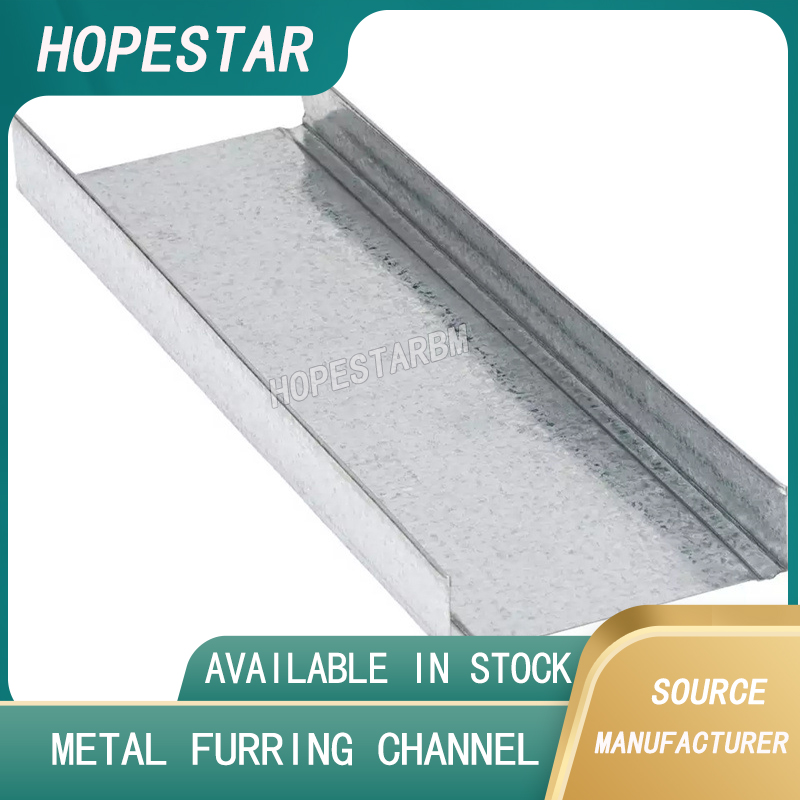
carrying channel vs metal furring
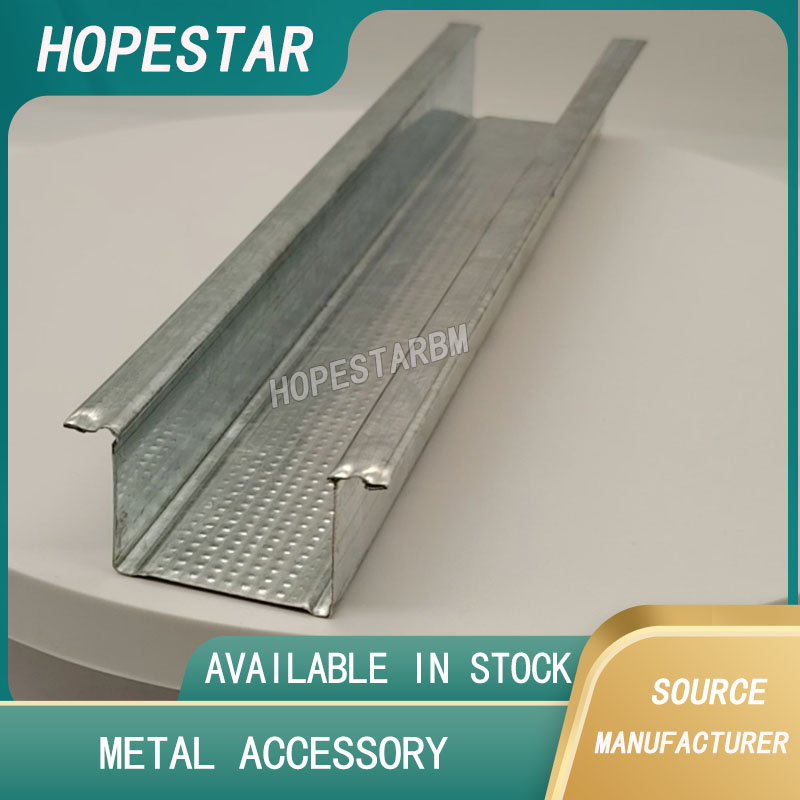
Let's break down the difference between carrying channels and metal furring channels, since they’re both used in suspended ceiling and wall systems but serve different roles.
1. Carrying Channel (Main Channel)
Also called: Main runner, C-channel, suspension channel
Function:
-
Acts as the main structural support in suspended ceilings.
-
Carries the load of the entire ceiling system.
-
Attached to the ceiling slab using hangers or wires.
Typical Sizes:
-
38 mm × 12 mm or 50 mm × 19 mm (1 1/2" × 1/2" or 2" × 3/4")
Used For:
-
Supporting metal furring channels
-
Part of T-bar ceiling systems
-
Heavier-duty support for drywall or acoustic panels
2. Metal Furring Channel (Hat Channel)
Also called: Hat furring, furring strip, Z channel (sometimes)
Function:
-
Installed perpendicular to the carrying channel or studs.
-
Provides a surface to attach drywall, plasterboard, or paneling.
-
Creates a level plane and spacing from the substrate.
Typical Sizes:
-
25 mm × 50 mm (1" × 2") hat-shaped profile
-
Varies based on application and load
Used For:
-
Wall and ceiling furring
-
Soundproofing (when used with resilient clips)
-
Leveling uneven surfaces
Summary of Differences:
| Feature | Carrying Channel | Metal Furring Channel |
|---|---|---|
| Role | Main structural support | Finishing and drywall support |
| Position | Suspended from ceiling | Attached to carrying channel/studs |
| Shape | C-shaped or U-shaped | Hat-shaped |
| Load | Supports furring channels | Supports drywall/plaster panels |
| Spacing | Wider apart | Closer together (12"–24" OC) |
What are the standard sizes of furring channel?
furring channel span
Related Article